How Do Toys Pollute The Environment? Find out About Battery Operated, Wood or Plastic Toy Pollution
How to Toys Contribute to Pollution?
Some toys, like plastic toy soldiers and baby dolls, are responsible for water and air pollution because they leach hazardous toxins into the air and water.
The majority of plastic toy manufacturers use a lethal vinyl called PVC in toys. Polyvinyl chloride (PVC) is the deadliest plastic produced today.
It is typically mixed with another noxious chemical, phthalate, to make the finished plaything flexible rather than rigid. Two phthalates commonly used in plastic toy production are DEHP (diethylhexyl phthalate) and DNIP (Di-isonoyl phthalate).
What do all these chemical names mean, in plain English? They translate to:
- Cancer
- Liver and kidney disease risks
- Baby girls who develop breasts prematurely
Mix in a scoop or two of lead and a pinch of cadmium and you have the recipe for a chemical cocktail of frightening proportions. Picture your baby gnawing contently on a toxic PVC-phthalate laced bath toy or pacifier and the effects of pollution take second place to health and wellness pollution.
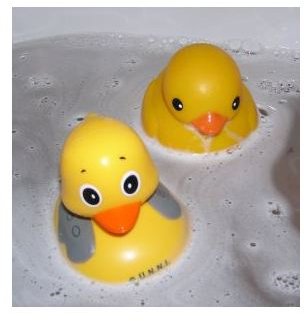
The most common sources of contaminated plastic playthings are bathtub knick-knacks, squeeze toys, or vinyl dolls. Be an informed consumer and read labels carefully to your child’s safety.
Battery-Operated Toys and Air Pollution
Plastic battery-operated toys are a double-edged sword of polluting toxins because batteries cannot be recycled. Batteries cause

pollution when they are improperly disposed of by discharging heavy metals such as lead or chemicals like acid into the environment.
The major noxious by-products of batteries are dioxin and benzene. Both are known human carcinogens and are linked to serious diseases like birth defects, nervous system disorders, and hormone disruptions. Alkaline, button, carbon, and zinc batteries are all commonly used in children’s play-toys.
Children and the Risk of Toy Pollution
Children face a greater risk for injury by plastic toy pollutants because:
- First, kid’s bodies are tinier, so the deadly chemicals race through their nervous systems and concentrate in their organs faster.
- Since their brains and the other parts of their bodies are still growing, higher concentrations of these toxins cause more harm than in fully developed systems.
- Finally, kids are notorious for putting any and everything into their mouths, so toxins from plastics are easily consumed, but not quickly removed, from the body.
Wooden toys are by far more environmentally friendly and a better choice for your family and the Earth. Unpainted, unvarnished, solid wood toys last longer than plastic toys, need no batteries, and encourage kids to use creativity and imagination to create play. Solar-powered toys are powered naturally by the Sun and one of the best choices.
Ways to Reduce Plastic Pollutants

You can reduce or eradicate plastic pollution by buying fewer plastic toys, or recycling these types of toys rather than disposing of them. Look for safer options by checking Greenpeace’s Toy Report Card. Write your congressional representatives and urge them to lobby for tougher labeling laws so consumers will be aware of deadly plastic in toys.
Plastic toys do pollute, but with increased consumer awareness and cooperation from plastic toy manufacturers, the effects of this type of pollution can be reduced. The best and most sustainable response to “How do toys pollute the environment?” is humankind’s willingness to place stewardship over price and convenience.
References
Healthy_Child, “Poisonous Plastic PVC”, Healthy World, (07/26/2008), https://healthychild.org/blog/comments/poisonous_plastic_pvc/
2003 Toy Report Card, Greenpeace, 05/29/2003, https://www.greenpeace.org/usa/news/2003-toy-report-card
Image Credits
SXC: Stock photo: ducks 1 (Image ID: 701260) under standard image license
“Nothing Runs Like A Deere”/Public Domain Pictures/Donna Cosmato
SXC: Stock photo: small bear (Image ID: 1129966) under standard image license