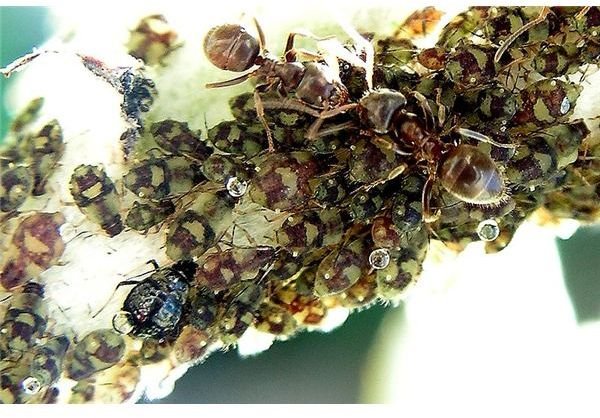
Try these simple, inexpensive ways to implement organic garden pest control in your garden or landscape. Learn how to get rid of harmful bugs in the garden by using techniques like crop rotation, non-toxic insecticides, and other environmentally friendly methods.
Did you know you can grow healthier food without
poisoning the plants or soil with toxic chemicals? Organic garden pest control is as easy as 1-2-3 when you use eco-friendly methods.
By learning and utilizing the principles of rotating crops and using organic pesticides and sustainable garden techniques, you can enjoy a healthy, organic garden free from insects and diseases.
Crop Rotation for Pest Control
Controlling pest by rotating crops is simple. Familiar plant families are allium, brassica, legumes, and nightshades, so if you plant allium family crops one year, choose plants from a different family for the next year’s harvest. Most organic gardeners use this rotation schedule and find it to be the best method of preventing harmful bugs in the garden. Investing in plants that attract helpful bugs to an organic garden is another eco-friendly way to control the pest populations.
Natural Pest Control
For effective organic garden pest control, use natural pesticides, homemade and non-toxic formulations to exterminate insects and control diseases. These types of pest and weed preventors are chemical or botanical in nature depending on the substance used for the insecticide. Common brand names for organic pesticides are: Prenon, Red Arrow, Red Devil, and Natural Guard. The most common natural pesticide ingredients are: pyrethrum, sabadilla, rotenone, neem, and sulphur.
Sustainable Techniques for Controlling Garden Insects
Practices such as mulching for weed control; proper plant spacing, destroying infected plants, and inspecting plants for damage are time-tested ways to practice organic insect control in gardens. Any visible insects are hand-picked and destroyed, while careful examinations of damaged plants provide clues to the types of pests so you can use the correct pesticides. Removing debris and weeds from the garden yearly and following sanitation protocols ensures a healthy, disease-free start for the next crop.
Tips for Organic Gardeners
Start with hardy plants and soil because healthy plants resist bugs and diseases. Vital nutrient-rich soil yields increased, healthier crops. Incorporating non-toxic means of pest control like bug traps, barriers, and the calculated introduction of beneficial bugs is the best guarantee for hearty harvests of savory fruits and vegetables that do not wreak havoc on nature or humanity.
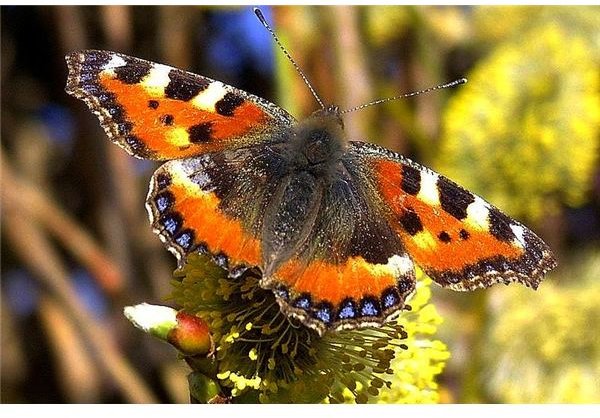
Beneficial insects like lady bugs and bees are advantageous and help plants pollinate and produce. How do you control the bad bugs without killing the good ones? Work with nature, not against her, by carrying out organic garden pest control. Some plants, like dill or basil, repel bugs while others attract helpful insects like butterflies. [Herbs are great companion plants](/tools/Just plant varieties and families yearly to inhibit a build-up of diseases or insects in the garden.) and supply a bonus because they are not only healthy to eat but efficient at preventing pest invasions. These do-it-yourself (DIY) insect control methods are easy and inexpensive to implement in any size garden.
References
https://www.colostate.edu/Dept/CoopExt/4DMG/VegFruit/organic.htm
https://aggie-horticulture.tamu.edu/extension/newsletters/hortupdate/may00/h7may00.html
Image Credits
Nymphalis urticae Image Credit: Wikimedia Commons/Uwe H. Friese
Image Credit/Wikimedia Commons/ Jens Buurgaard Nielsen