Top 10 Green Facts: Eye Opening Statistics on Energy, Clean Power & Other Environmental Concerns
With our modern way of living comes many environmental concerns, including pollution, large carbon footprints and rapid reduction of rainforests, just to name a few. The good news is we can find ways to prevent or slow damage to the environment as well as find alternative methods to provide energy. We need to be aware of our mistakes and be educated. These ten green facts will open your eyes to the many ways you can reduce our impact on the environment. It’s not that hard to begin!
Top 10 Green Facts
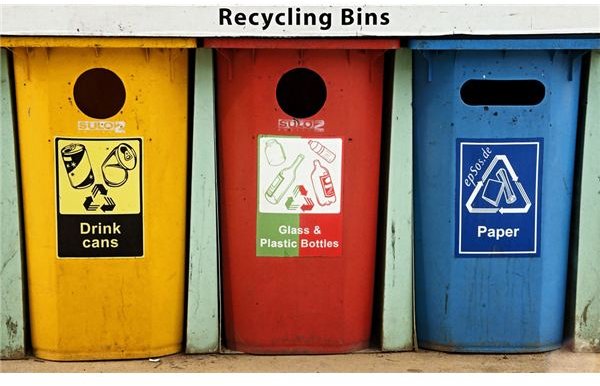
1. There are many benefits of recycling. Simply recycling an aluminum can saves enough electricity to power a television for three hours. If one ton of paper gets recycled, it saves 4,100 kilowatts of energy, 17 trees and 60 pounds of air pollution. If a ton of glass gets recycled, it can save 9 gallons of oil. Recycling is an incredibly simple way to do your part to save our environment.
2. In the US alone, if 1/4th of the households replace one incandescent bulb with a CFL, it saves as much carbon dioxide as planting more than 200, 000 acres of forest. CFLs come in different types to suit your rooms. “Soft light” CFLs are a perfect replacement for that familiar warm glow emitted by incandescent light bulbs. You can also opt for “daylight” bulbs to emulate natural light. Replacing incandescents with CFLs is a small step to make our planet a better place to live.
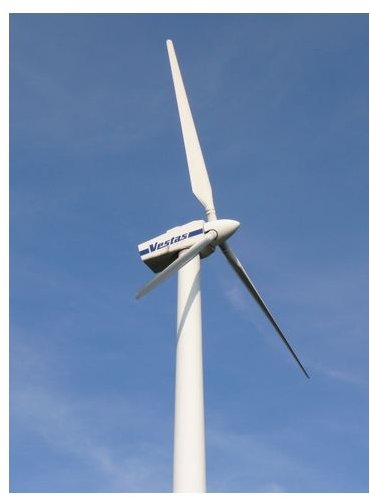
3. Using wind turbines is the perfect alternative way to convert wind energy into electricity. Today, eighty countries are harnessing wind energy to create electricity on a commercial basis. In the United States, North Dakota has the ability to produce wind power to meet one fourth of the country’s electricity demand. Almost 20 percent of America’s electricity needs will be provided by wind power alone within a decade, according to Reuters.
4. Due to global warming and the population boom, most Asian countries will face acute water shortages by the year 2025. Though many people waste water as if there is plenty available, the truth is that less than one percent of world’s fresh water is available for human consumption.
5. Conventional furniture polishes contain toxic chemicals such as d-limonene, a chemical which irritates the eyes, and flammable irritants such as isobutene and butane. According to 2006 reports of the US poison control center, more than 200,000 case reports of exposure to such polishes and cleaning products were registered.
6. Australia has enough unused geothermal power to provide energy for thousands of years! According to treehugger.com, just 1 percent of the available geothermal power in Australia could provide energy for 26,000 years. This very encouraging fact shows how affective alernative energy could be.
7. China’s dependence on coal burning has caused a severe air pollution problem. According to the EU, only 1% of city-dwelling residents breathe fresh air. Air pollutants include sulfates, ozone, mercury, soot and other deadly substances. Many believe this has also caused incidents of lung cancer to rise.
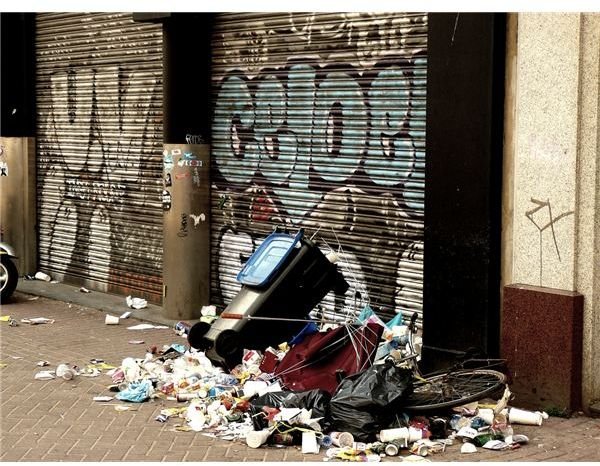
8. The amount of garbage a country produces is truly mind-boggling. In the US alone, consumers dump over 2 million plastic bottles every hour. The amount of trash produced in the US is equal to the weight of the Empire State Building!
9. India’s “National Solar Mission” plan aims to generate 20 Gigawatts of electricity from solar energy by 2020. In its attempt to fight global warming, India’s three-phased solar plan aims to produce 1-1.5 Gigawatts of solar power by 2012. The “National Solar Mission” objectives also include reducing the cost of solar panels and encourage domestic manufacturing of solar panels.
10. The energy spent soley on heating and cooling the home is only 50 percent of the total electricity consumption of an average household! Think how much energy you could save by unplugging your computer, reading a book instead of watching TV or going to bed earlier to avoid having the lights on longer.
I found the top ten facts to be both alarming and eye-opening. However, there is always much more to learn. Explore some ways to save energy to both help the environment and lower your energy costs. Explore Bright Hub’s Green Living channel for many more ideas on this subject.
References
- Air Pollution in China: http://factsanddetails.com/china.php?itemid=392&catid=10&subcatid=66
- Image of Wind Turbine in the Public Domain via http://commons.wikimedia.org/wiki/File:Windmill_01.JPG
- A Recycling Revolution: http://www.recycling-revolution.com/recycling-facts.html
- 15 Mind Boggling Green Facts & Enviro Stats: http://webecoist.momtastic.com/2008/11/26/amazing-frightening-green-facts-environmental-statistics/
- Photo of Recycling Bins by epSos.de under CC BY 2.0
- Household Cleaners: http://lesstoxicguide.ca/index.asp?fetch=household
- Key Facts About India’s 20 GW Solar Energy Plans: http://www.reuters.com/article/2009/07/28/us-india-solar-factbox-sb-idUSTRE56R1AT20090728
- Photo of Garbage by AmsterSam under CC BY 2.0