Several varieties of vegetable, flower, and herb seeds can be saved from the plants in your garden this year. Learn how to tell which plants are suitable for seed-saving, when to harvest the seeds, and how best to store them.
Seed Saving 101
Not all plants produce viable, dependable seed. If you are planning on saving the seed from the plants you grow this year buy only standard (non-hybrid) varieties. Hybrid varieties can produce seed that is different than it’s parent. Planting seed saved from hybrid plants can cause unpredictable results. Standard or hybrid varieties can be identified by labeling on the seed packet or plant start.
Grow the plants that you wish to save seed from as far away as possible from other varieties of the same plant. Growing several varieties of tomatoes or corn next to each other allows for easy cross-pollination between plants. You’ll want to avoid cross-pollination, as it leads to unpredictable seed.
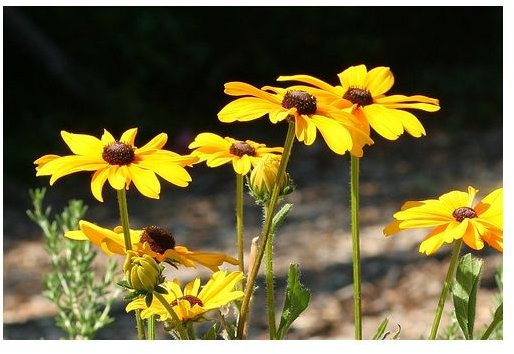
Annual plants are easiest to grow for saving seed. Annuals live for one year, producing seed and dying after one growing season. Some plants are biennial, which means they don’t produce seed until the second year. Seeds from biennial plants (including carrots and parsley) can be harvested for use after the plants complete their two-year lifecycle. Many perennial flowers, such as Black Eyed Susan, produce seeds that fall to the ground and “seed themselves”. These seeds can be easily collected in the fall.
Generally, for annual plants, the fruit or flower of the plant is not harvested and allowed to remain on the plant until is shrivels and dries. The seed is harvested in the early fall before hard frosts. Always choose the most vigorous, biggest, and healthiest plants in your garden for seed-saving.
Best Plants for Seed Saving
You can save the seed from many flower, vegetable, and herb varieties with great success. The list below suggests some common plants that are easy to grow for seed-saving, although many others exist. After harvest, you can store your seeds in paper envelopes or plastic bags.
Peppers: Harvest the peppers when fully ripe. Cut into the pepper and scrape the seeds out and onto a paper plate. Let the seeds dry at room temperature in a single layer on the paper plate.
Beans: Any non-hybrid bean variety can be dried on the plant for seed. Allow the bean pods to remain on the plant until the plant dries in the early fall. The bean pods will be dry and shriveled. Remove the beans from the pods.
Peas: Peas may be saved for seed in the same manner as for beans, described above.
Tomatoes: Tomato seeds have a gelatinous coating that needs to be removed before the seeds may be dried for storage. The easiest way to do this is to ferment the seeds with some water in a warm, sunny place. When fermentation is complete the tomato seeds can be dried and stored for next season. For a tomato seed fermentation tutorial, see here .
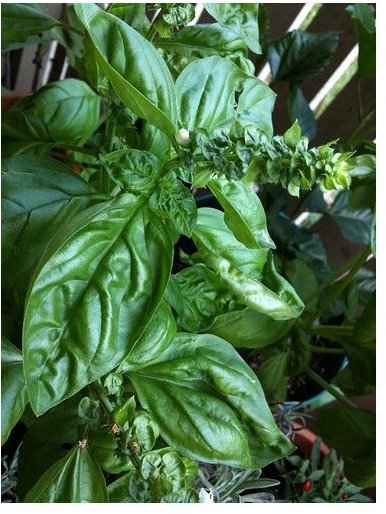
Basil: Let your basil plants send up flower stalks near the end of the growing season. Pinch off the flower stalks when they begin to dry and become brown on the edges. Allow the flower stalks to dry at room temperature for a few days. Then, gather the basil seeds by tapping the stalk gently on a paper plate. Tiny black seeds should shake out of the stalk.
Cilantro (coriander): Coriander is actually the dried seeds of the cilantro plant . Chances are, your cilantro will produce enough seed for you to use some for planting and the rest for cooking! After the cilantro flowers at the end of the growing season it will begin to produce seeds. The seeds are ripe for harvesting when they have just begun to turn brown. Cut off the cilantro stalks and allow the plant and seeds to dry fully in a paper bag, then collect the seeds.
Calendula, Marigold, and Nasturtium: These flowers each effortless produce an abundant amount of seed when they are done flowering. Before hard frosts hit your area collect the dead flower heads and place them in a paper bag. Let them fully dry in the bag then collect the seed.
Picture Credits
Black Eyed Susans: https://www.flickr.com/photos/aidanmorgan/3854318679/
Basil: https://www.flickr.com/photos/jessandthecity/3821239418/