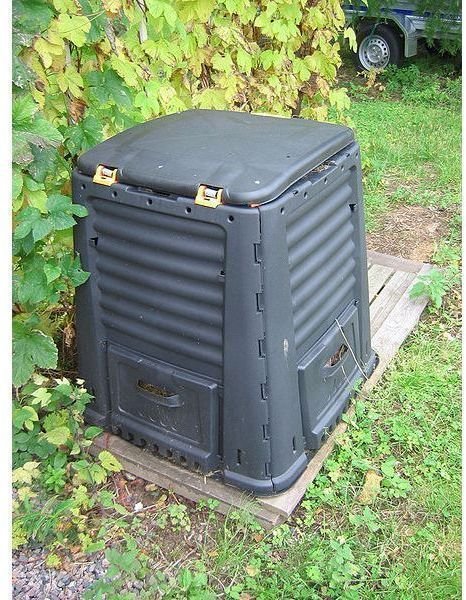
Creating a home-made garden compost requires patience and the right blend of organic ingredients. Whether it is raised bed or other methods of gardening, garden composts play a key role in producing flowering plants.
Why Organic Garden Compost?
Many environmental issues are solved by organic garden compost. Those who think compost is just a plain and simple gardening topic and is found only in garden guides don’t know composting encompasses several things related to environment protection. It encourages waste-reduction, curbing pollution, energy conservation, and many more.
The process of organic garden composting mainly relies on decomposition. Various types of fungi, bacteria, earthworms, and critters break down organic matter to form garden composts. The rich compost is also made from household waste, so building organic garden composts is very easy. It adds nutrients to the soil and ensures the soil has plenty of humus. What’s more, it aids in the formation of beneficial soil-friendly organisms. One should use organic composts when planting flower and vegetable plants. It improves soil, thereby enhancing the growth of shrubs, lawns, and perennials.
Some Key Tips in Making Garden Composts
Organic gardening demands nutrient-rich soil to have a healthy growing environment for vegetables and flowers. Garden compost is key to creating fertile soil and proves to be the most important factor responsible for producing flowering gardens.
Making Garden Compost:
Homemade Organic compost should not spread foul odor. It is a rich and wholesome food for gardens and should be given time to break down sufficiently to help plants absorb its nutrients and mineral components. The best way in creating a compost pile is to mix equal amounts of ingredients rich in carbon and nitrogen. It generally consists of a mixture of dry leaves, twigs, dead grass clippings, and green leaves or livestock manure. Make sure the pile is not be more than 3 feet high. It is also recommended to use perforated pipes on the center of the pile for proper aeration.
Other materials that can be added to create garden composts include fruit and vegetable wastes, alfalfa, sawdust, peat moss etc.
What Compost is Best for Organic Gardeners?
Gardeners create composts by building a home-made compost bin with the help of a tin container or cardboard box or by digging a trough in the garden area. Most prefer building a trench not more than three feet in length and one foot in height. The compost mixture is added directly into the trough in the form of layers. The bottom layer consist of dry or brown leaves, dry grass clippings, wood chips, and straw, while the top layer includes soft green ingredients such as green leaves and livestock manure.
Composts for Raised Bed Gardening:
Composts are also very useful for raised bed gardening . Raised beds require healthy soil which is a great source of nutrition to flowering plants. This method of gardening is essential in areas rich in clay soil. Clay soil retains too much water, hence leading to water-logging. The garden compost helps to break up clay soil to allow proper drainage, and helps retain adequate amounts of water for plants.
References
“Gardening Compost Is Your Soil’s Main Source of Food” https://www.organicgardeninfo.com/organic-gardening-compost.html
“Making Compost” https://www.composting101.com/making-compost-article.html
Image Credit: Wikimedia Commons/Public Domain Image/Author - SeppVei