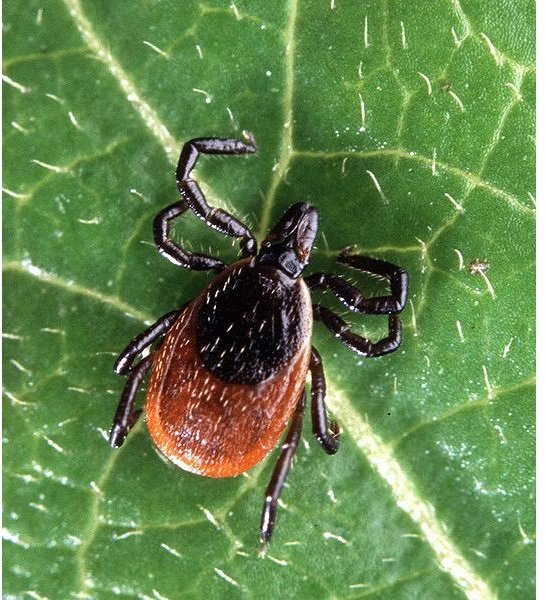
DEET-containing insect repellents are unquestionably the most effective option, but they are not the safest. Learn how to make a homemade tick repellent and how to use properly.
Natural Insect Repellents
Choosing to use a natural insect repellent is a way to avoid the potential danger of insects and other creatures, from annoying mosquitoes to disease-carrying ticks, while also reducing your use of toxic chemicals. There are natural products on the market, many of which contain natural oils such as lemon and peppermint. You can also choose to make your own homemade repellent to help protect yourself from insects and ticks.
It is important to keep in mind that what is safe for humans is not necessarily safe for animals. Talk to your veterinarian about what natural products are safe for your pet. Also, despite the greater safety of natural products, they are not likely to be as effective as chemical products. With proper use and other safety measures they can serve as a viable option.
The Danger of Ticks
For anyone who is walking outdoors from spring to through fall, particularly in areas where there is high grass, weeds and shrubs or wooded areas, or that are known to be tick-problem areas, taking measures to protect yourself from a bite from one of these creatures is part of outdoor safety. Although insect repellents are used, ticks are actually a member of the arachnid family, along with spiders and scorpions. They attach onto a host as the human or animal brushes against higher grasses or shrubs. They may spend several days feeding, completely unnoticed by the host.
Why is it so important to use a tick repellent and to take other precautionary measures? What is so dangerous about these creatures? Ticks are a threat because they can easily carry and transfer disease. The deer tick, as well as other types of these creatures, can infect both humans and animals with the pathogens that can lead to Lyme disease. Not every tick is a carrier. Lyme disease is more common in certain geographic regions, including the northeastern United States and parts of the midwest.
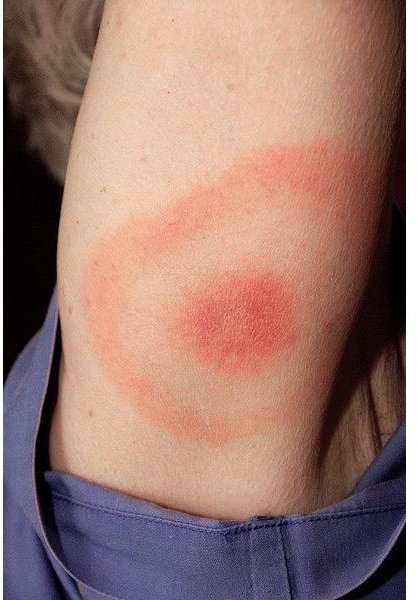
In about half of cases a bite from an infected tick will cause a characteristic rash that looks like a bull’s eye. It may also simply be red or blotchy. Flu-like symptoms will start appearing whether the rash does or not. If unattended (Lyme disease is easily treated with antibiotics if addressed early on) Lyme disease can lead to very serious and sometimes chronic health problems including joint pain, neurological problems, heart, eye, respiratory and gastrointestinal problems.
Animals such as the family dog can also contract Lyme disease from a tick bite. The infection will at first cause symptoms such as a loss of appetite, swelling and listlessness. Serious problems with the heart, kidney, liver, eye and nervous systems can also develop in animals if left untreated.
The Danger of DEET
Using a tick repellent is not a final solution for avoiding tick bites but it can immensely reduce the chances of a tick deciding to attach onto your body. Tick repellents are basically insect repellents, primarily tested on mosquitoes, not ticks. Most conventional repellent products contain some amount of the chemical DEET. While shown to be very effective for deterring mosquitoes and other insects and somewhat effective for deterring ticks, there are possible dangers of using the chemical itself.
The Environmental Protection Agency has declared the normal use of DEET to not be of a health concern to members of the general public, based on a 1998 review. It has been used by millions of people for decades with no apparent problems. It is important to understand that some people do react to DEET, particularly those with chemical sensitivities. According to the Division of Toxicology and Environmental Medicine, there have been some fatalities from topical application. For example three young girls did not survive after having heavy, repeated, nightly applications of a DEET based repellent. Other people have experienced psychological effects and skin problems.
Overall side effects have been rare. Often problems happen when use is extensive. There have been more reported cases of children having problems with DEET exposure then adults. As a consumer it is important to be aware of the potential danger of DEET as well as the potential effectiveness of the chemical for deterring ticks. For those who prefer to avoid both dangers it is possible to make a natural, homemade tick repellent.
Homemade Recipes
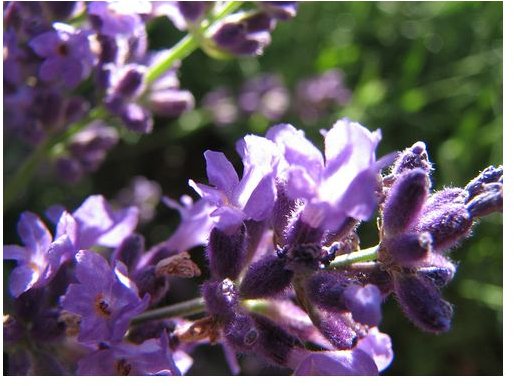
To make your own natural repellent you will need essential oils and a base, such as water, witch hazel, vegetable oil or alcohol. Excellent natural oils for deterring insects and possibly ticks (there is not published evidence on the effectiveness of essential oils for preventing tick bites, only mosquito bites) include:
- Rose Geranium
- Citronella
- Lemongrass
- Eucalyptus
- Lavender
- Peppermint
- Rosemary
- Cedarwood
1. Start with a four-ounce spray bottle. Be sure to use one that is clean and that was not previously filled with chemical cleaning products. A darker bottle will help to protect the essential oils. Sunlight will degrade the potency of the oils.
2. Decide on your carrier. Options include three ounces of distilled water with one tablespoon of cider vinegar (to help dissolve the oils), three ounces of witch hazel, 1.5 ounces each of water and vegetable oil or of water and alcohol.
3. Add a total of 25 drops of essential oils. Try blending different oils for a more potent effect against different insects. Rose geranium essential oil is reputed to be the best choice for ticks, but there is no scientific evidence to support this. Great combinations include:
- 10 drops rose geranium oil
- 10 drops citronella oil
- 5 drops cedar oil
- 10 drops of lemongrass
- 10 drops of rose geranium
- 5 drops eucalyptus
Close your spray bottle and shake well. Spray over the clothing and skin, avoiding the face altogether. These essential oils are non-toxic, but be sure to test this homemade repellent on a small patch of your skin before repeatedly spraying it on you. Take the bottle with you on your outdoor adventures and reapply every twenty to thirty minutes. A chemical product would need to be applied every hour or so, but with a natural product more frequent applications are necessary for protection.
Essential oils do not have a long shelf-life. For best results mix right before use. If in a situation where you need to pre-mix, such as if you are going on a camping trip, do your best to keep your tick repellent from heat, light and moisture.
Tips for TIck Bite Prevention
Using a natural repellent for ticks can help to protect you from these potentially disease-carrying creatures as well as pesky insects. Natural products have not been tested as DEET-based repellents have, so there is no guarantee of effectiveness. Using one of these homemade recipes is a way to avoid the use of chemicals while offering some degree of protection. It is also important to take other measures to protect yourself from ticks.
- Wear long pants, socks and shoes when in areas that may have ticks.
- Tuck your pants into your socks.
- Wear light colored-clothing.
- When returning home immediately throw clothing in the washer and dryer to kill any ticks that may be on your clothes. They will definitely not survive the heat of the drying cycle.
- Do a tick check whenever you are coming back inside. Swipe your legs and arms and look over any part of the body that is exposed, as well as areas where a tick could have climbed. It is not likely that you will feel an attached tick, but you should be able to see the rear end as the head is burrowing into the skin. Remove promptly with a set of tweezers or gloves, not your hands, pulling straight out.
Even if you have diligently used your homemade essential oil mix and have taken other precautionary measures be aware of the symptoms of an infection if you have spent time in a tick-infested area. See your doctor right away if you are concerned that you may have a rash from a tick bite or that you may be experiencing the flu-like symptoms that may indicate Lyme disease.
References
Agency for Toxic Substances and DIsease Registry. Health Effects in Humans. https://www.atsdr.cdc.gov/consultations/deet/health-effects.html
Kirby C Stafford, PhD. Tick Bite Prevention and The Use of Insect Repellents. The Connecticut Agricultural Experiment Station. tickbiteprevention05.pdf
Lyme Disease — General Information and FAQ. https://www.cs.cmu.edu/afs/cs.cmu.edu/user/jake/mosaic/lyme.html
Prevention and Control, Common Ticks. Illinois Department of Public Health. https://www.idph.state.il.us/envhealth/pccommonticks.htm
WebMD. How to Remove a Tick. https://firstaid.webmd.com/tc/how-to-remove-a-tick-overview
Mountain Rose Herbs. Make Your Own Insect Repellent. https://www.mountainroseherbs.com/newsletter/07/june/insect.php
photo by Scott Bauer /wiki commons
photo by James Gathany /wiki commons
photo by Audrey /flickr