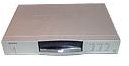
Before DVDs get lost in oblivion as Blu-ray discs gradually become popular, have you ever stopped and thought about when the first DVD and DVD players were created? Here’s a brief historical look into the beginnings of the DVD players.
Basic Facts about DVD
During the many years that you used DVDs, have you ever stopped and thought about what it stands for? In my experience, whenever I’m asked what DVD stands for, I always go for the safest answer - digital video disc. Actually, that’s what DVD originally stood for, but through the years, the initials took several variants including “digital versatile disc.” But no matter what DVD stands for, there’s only one way to describe what it is: DVD is an optical disc technology used for storing video, audio, and computer data.
Comparing DVD with CD, the former is a bigger (meaning storage) and faster version upgrade of the CD. Its usage includes home entertainment, computers, and business information. The DVD has replaced many previously popular home video entertainment formats including laserdisc and videotape.
What has made DVDs such a popular consumer video product? Reasons for its popularity include a storage capability of over two hours of high-quality, clear and crisp video, widescreen movie support, up to eight tracks of digital audio and 32 subtitles, automatic seamless video branching, and up to nine camera angles.
When Was the First DVD Player Invented?
The first DVD specification was publicly announced some time in 1995, but was finalized only in September 1996. The DVD specification was established following the 4GB capacity of Toshiba’s SD (Super Density) design for CD-sized video storage media that can withstand scratches and fingerprints. And so the first DVD format was created. This was followed by a series of management level marketing meetings with the major film studios, Wall Street companies, Hollywood notables, and investment companies. The first DVD video came out in November 1996 in Japan and in the U.S. in 1997. Soon after the first DVD player was released to the market, and it was Toshiba’s SD-3000 DVD player. Sony and other companies followed Toshiba with their own DVD players.
Interestingly, since manufacturers were still uncertain as to how the public would accept DVD Video, the first distribution of DVD players was limited only to seven major U.S. cities. It was only after six months when other cities saw the first models of DVD players. And guess how much the first DVD players were selling back then? A a whopping $1000. But since then, as DVD technology evolved the price of DVD players became more affordable. DVD players today can cost as little as $30.