Cracked software is free or low-cost, and seems to be a quick way to get the program you need. However, downloading software from the internet always has risks, especially when it is downloaded from a non-trustworthy source. Read on to find out what could happen…
Real Threat or Not?
Do you ever download full version software that is accompanied by a crack? Do you obtain illegal copies online, or make a copy from your friend’s software? Are you really likely to become a victim of some malware, trojan, or virus, if not worse, by doing so?
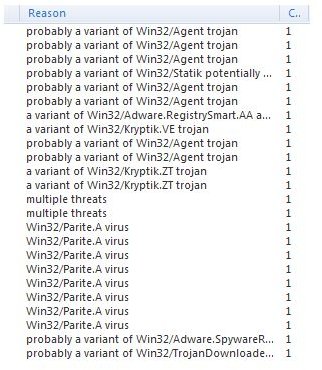
I wanted to find out if all the hype were true so I conducted an experiement. I downloaded a few “free full versions” of different types of software to see whether the threat is real, or just something made up. Perhaps all this talk about risks is just to scare people into not taking the chance at all? See what happens and then you can make up your own mind.
The short answer, as you will see, Is that it is very possible to have your computer infected this way.
What Risks?
Ok, well for a start, if the app you are using connects to the internet, and then It’s likely the vendor would be notified. People do get reported to their ISP.
Not enough to bother you?
Money is probably the biggest loss you face, though losing time, and what may be irreplaceable data, is always a possibility, just to make it interesting.
So let’s have a look at what people say in defence, or just ignorance:
“I’ve downloaded cracks before and never found any virus.” Ever hear somebody say that? Chances are, they don’t have the measures in place to detect what’s going on out of sight, and it’s not the average Joe that has the required measures, by default.
“Cracks are detected because the AV vendor has been paid to say so. There’s no risk at all.” Well, I wouldn’t put much faith in that statement. Some people will tell you these are false positives, and you should disable your anti-virus in order to run the crack. These are the self-proclaimed “experts” in this area. These are likely the same knowledgeable folk that will tell you it’s ok to disable your firewall to obtain a download, and even you know that’s something you should never ever do, right?
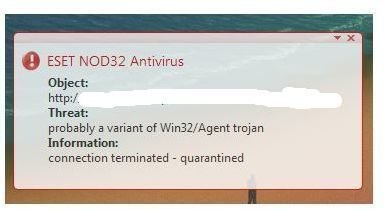
Supposing your anti-virus flags a download as having a probable variant of a known risk? This is the heuristics detection at work. Is it a false positive or real danger? You have no choice in the matter, since the download is interrupted, but surprisingly, users will disable the AV until the download completes!
“As long as you have all the windows updates, up to date anti-virus and everything else, you will be protected.” Simply not true. People still get infections just by casual surfing alone. If you’re about to run a dodgy exe file on your desktop, what does that imply?
You might come across other tales of people getting away with it. They must be lucky! More often than not, they’re the ones with the slow, problematic machine, and all that implies.
Download Results
What and Why
Why, is easy: profit, or gain by some other means. It’s a simple fact that many people downloading these things won’t have a clue what’s going on and are easy targets. It’s big business. The same old story.
The following can happen, dependant on how savvy you are, but are based on a real occurrence.
How?
“Here’s XP, mate. Unattended install, no activation needed. Only five bucks!” Interesting offer, if that’s what you need badly. So you take it home, boot it, and next thing you know, you have XP running. What a bargain!
Unattended means you play no part in the installation. Anything could be installed. You won’t know. It doesn’t apply to unattended installs alone though. System files can be replaced before the copy is even written to the CD.
You start using it, and obviously want it up to date, so you start surfing. Whoops! You are now informed that you are the proud owner of a none genuine copy.
Worse may be to come. You may be the unwitting owner of a now compromised machine that is under remote control, and can be controlled by the remote perpetrator as though they were sitting there in front of it. What would be the biggest nightmare download you can think of? Odds are that’s one of the reasons it’s been compromised. Or perhaps your machine will join an army of “zombies” and take part in a united attack. Or maybe you will be watched and listened to via your own cam and microphone? How does that grab you? They would be able to read your email, log into your private accounts, etc. Totally possible.
What to Do
Think you’re knowledgeable enough to stand the downsides? Nothing gets past you, right? Been in the game too long. Or you just needed something so badly, and others you know had no problems, so you just did it.
Or has this article maybe changed your view? You never know what’s around the corner, and cracked software is a big money spinner, so It gets compromised left, right and center, in order to generate cash from the uninitiated.
Beware, or fall…