The array of Linux distributions available can be quite daunting to newcomers. Here we look at the most popular distributions and offer a brief overview of each. This can help you make an informed decision about which flavor of Linux is best for you.
Linux has an almost fanatical fan-base that all have different ideas about the direction the software should take. The open source nature allows these groups to branch off onto their own path and create something that they want. This is one of the reasons why there are so many different types of Linux out there today.
This reason, and this methodology is why Linux is so strong. The developers are Linux users, who make their distributions for themselves and other users. They have total freedom as long as they conform to the Standard Base rules.
The Standard Base is a set of standards that all Linux distributions must adhere to. They ensure the software is as compatible and interoperable as possible. It is also there to make sure that programs written for one type of Linux will work with them all.
So let’s take a quick look at some of the distributions and what they offer. This isn’t an exhaustive list, and they are in no particular order.
The Candidates
Debian is the largest distribution so far as far as users go. It is well known for its stability and the ability to interoperate well with other applications. It has a massive following, and has more than 20,000 packages you can add to it. The community is friendly and knowledgeable, and there are many sites that have How-to guides or FAQs, forums and other ways for finding things out or solving problems.
Ubuntu is becoming a force to be reckoned with, and is slowly becoming the distribution of choice for many, especially those new to Linux. It is very user friendly and tries to ease the transition from Windows or Mac to Linux as much as possible. Again, the fan base is fanatical, and there are plenty of ways of solving problems and getting questions answered.
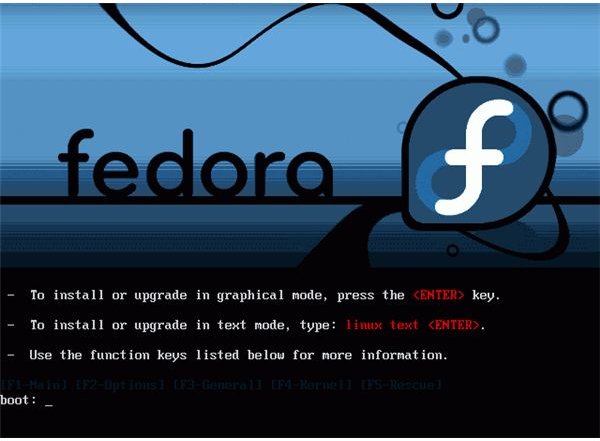
Fedora is one of the most established, and oldest distributions out there. Once part of Red Hat, it has since split and gone its own way. Fedora isn’t for the newcomer to Linux, it doesn’t round the edges or pave the way as much as Ubuntu or Mint, but it is a steady, secure and reliable version of Linux. Directed more at enthusiasts and hobbyists than casual computer users.
Slackware is allegedly the oldest distribution still around. Regarded as the most stable and bug free desktop distro around, it isn’t for the faint hearted. Slackware is definitely not for those new to Linux. If you are an experienced user who values stability and reliability over slick desktops and cool icons, this may be the distribution for you.

Mandriva used to be called Mandrake as has been around almost as long as Slackware. Unlike the others mentioned here so far, it comes in two guises. A free, open-source version and a commercial version. The commercial version is aimed at newcomers to Linux and contains very good documentation to help you in your first steps. The free version still has a good following, and plenty of ways of learning your way round.
FreeBSD is an operating system based on BSD with a focus on stability. While not based on the Linux kernel I feel it deserves a mention here due to it’s similarity to Linux and it’s overall popularity. Similar to Slackware Linux it is considered very stable and perfect for a *NIX based server. It doesn’t have the gadgets, fancy desktops or bells and whistles of many of the Linux distributions, which makes it ideal for server applications.
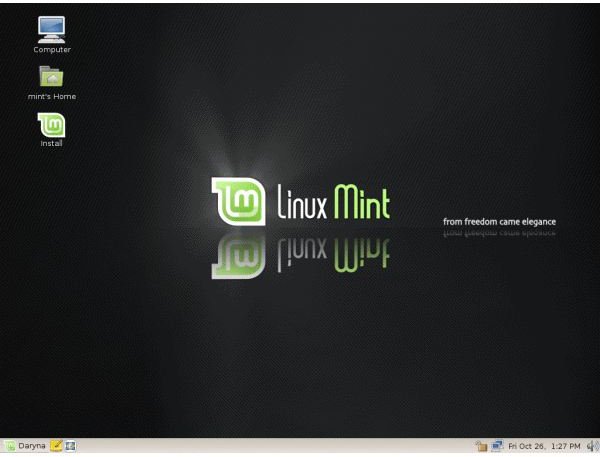
Mint is a cool name, for a cool distribution. It shares the Ubuntu heritage as it’s based on the Ubuntu kernel, but has gone in a slightly different direction. It is all about the desktop and user experience, while making the core as stable as possible. The programmers interact a lot with their followers and incorporate suggestions and ideas into their releases. This is another good distro for new Linux users.
There are many other “flavours” of Linux to choose from, all having varying degrees of presence on the internet for you to explore. With the exception of the Mandriva commercial version, all a free and open-source and update often. Linux is slowly gaining ground as it becomes more reliable, interoperable and user friendly.