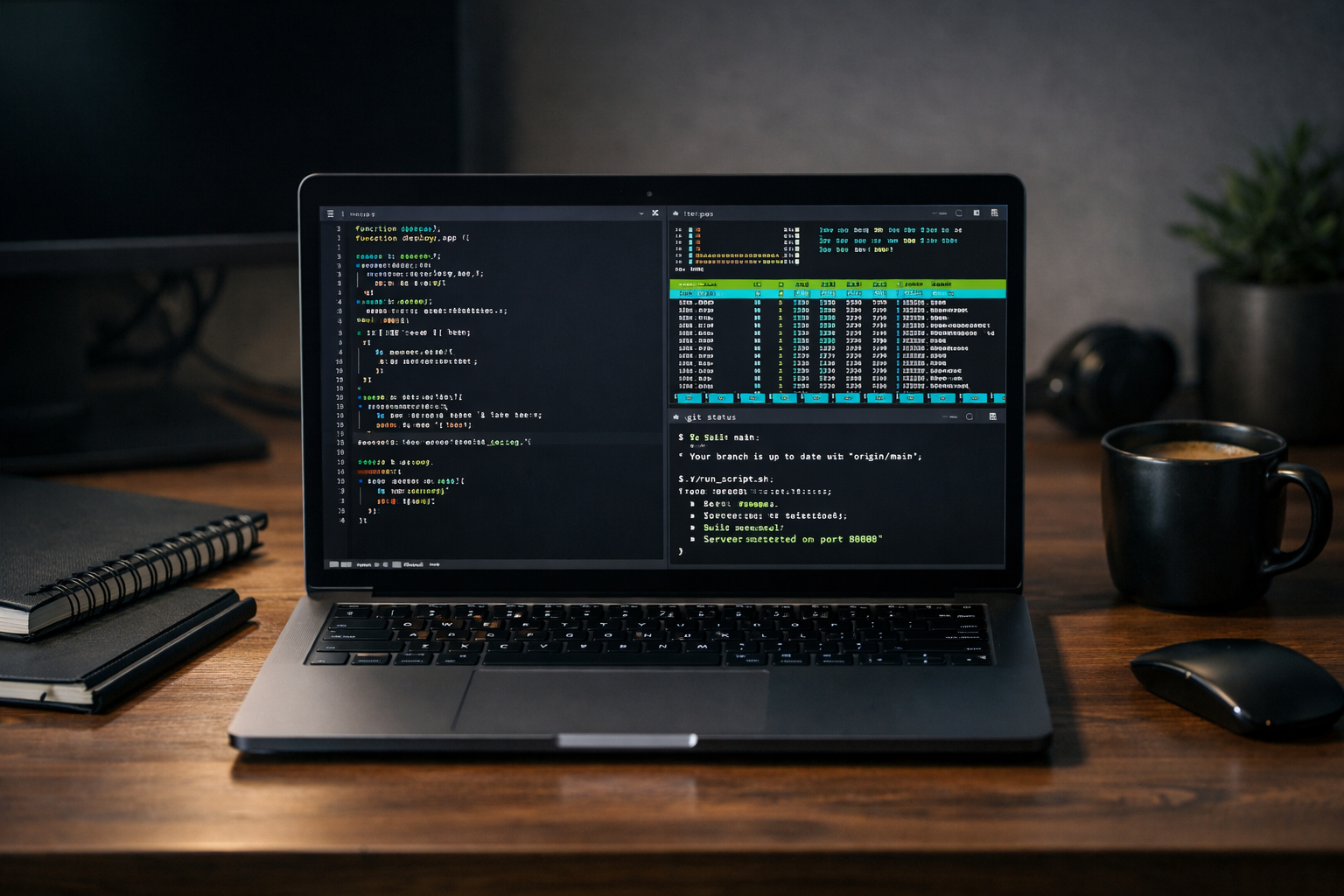
Servers run specialized software like databases or e-mail service. Server hardware is generally more expensive and very high performance
The Difference Between a Server and a Desktop Client
Servers are specialized computers that run programs and host data that are accessed by other computers on the network. The hardware on a server is expensive and powerful. Hard drives may have RAID functions (special data structures that allow failed drives to be rebuilt automatically.) The processors on a server will be sophisticated and powerful such as dual core or quad core and 64 bit, not 32. This is to handle more data while at the same time performing operations to support client workstations.
Client workstations or desktops generally support only themselves in that the tasks they perform only affect their own hardware. If they are involved in a client-server operation, then they will be in touch with a server.The processors will be less powerful and typically a single or dual core processor is all that is needed, and it will be a 32 bit CPU.
That leads us to memory. Server memory and desktop memory are not the same, even if they look the same at first glance.
ECC and Non-ECC Memory Types
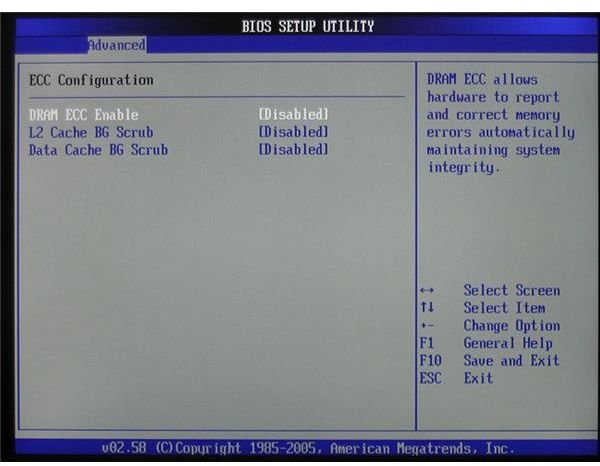
There are ECC and non-ECC memory. ECC stands for error correcting code memory. This memory system tests and corrects any errors in memory without the processor or user being aware of it. ECC memory is like parity memory, in that it detects and reports memory errors. However, parity can only detect errors, ECC can actually correct errors without interrupting the other operations of your system.
The error correcting code generates a checksum when data is loaded in memory, and when it unloads, the checksum is recomputed and if an error is detected it is automatically corrected. This is a safety feature because the CPU can only work with memory that is correct otherwise corrupt memory will give incorrect results.
Servers will typically use ECC memory because it provides the checksum, error correction code which is necessary to maintain data in an error free format. Desktops do not need that level of error correction and can work with non-ECC memory. This is one reason why desktop computers need to be rebooted more often than servers.
Source: Computer Memory Upgrade
Image Source: TechPowerUP
Simms and Dimms
Another type of memory found on some desktops but not on servers are Simms. Servers use DIMMS. Simms is single in-line memory modules whereas Dimms are dual in-line memory modules. One Dimm can replace two Simms. DIMMS will have pins on both sides of the module, but SIMMS will have them only on one side.
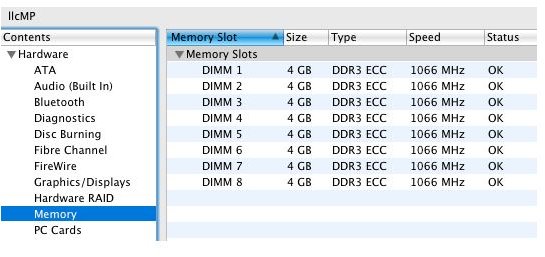
Because servers must use more powerful memory, typically they will work with DIMMS. However, that is not necessary. Also, in many ways the memory modules used by desktops are as speedy as the type used on servers, whether Simms or Dimms.
High-end servers have a dynamic architecture, because they perform very specific jobs. So, their design dictates that there is no fault in the operation. The machine will not crash nor will the application stop. A server will have different memory from a desktop computer.
Image Source: MacPerformanceGuide
See Also: What is the Difference Between DDR2 and DDR3 Memory?
Summary
The difference between server memory and desktop memory has to do with the functions that each of these computers perform. Servers can prepare programs for any computer on a network to use, while desktops are responsible for their own operations. The memory for each is different. Servers use memory that has error correction mechanisms, while desktops do not need such a sophisticated memory mechanism.
Source: ECC Memory
See Also: What is RAM? Introduction to Random access memory.