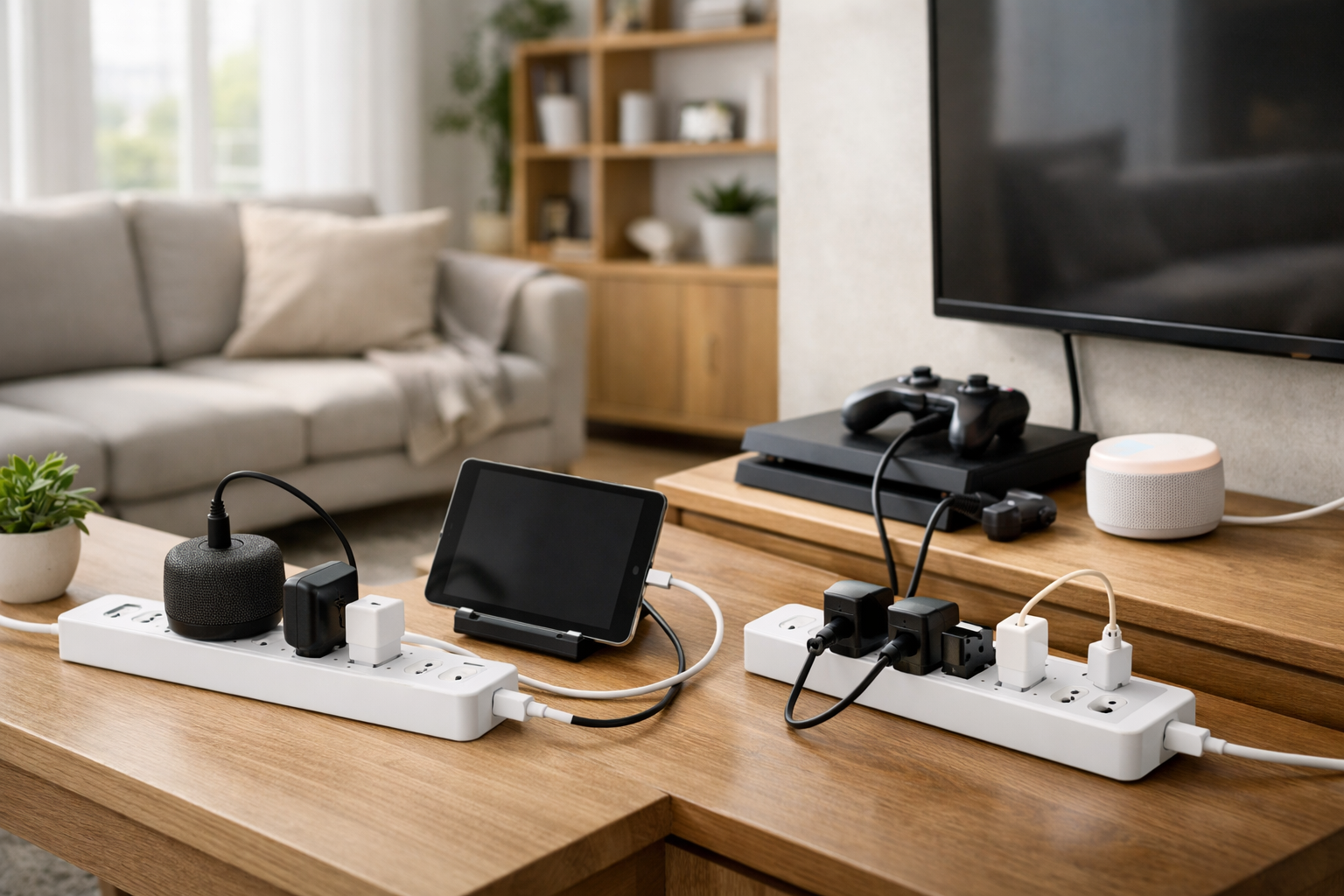
Learn practical ways to identify and reduce phantom power use at home, saving energy and lowering electricity bills through simple habits and smart device management.
Phantom power, also known as standby power, is the electricity consumed by electronic devices and appliances when they are switched off but still plugged in. This hidden energy use can add up significantly over time, leading to higher electricity bills and unnecessary environmental impact. Understanding how to reduce phantom power use at home is a practical step toward energy savings and greener living.
What Is Phantom Power and Why Does It Matter?
Many household electronics draw power even when they appear to be off. Devices like TVs, chargers, microwaves with digital displays, and game consoles often stay in a standby mode, ready to activate instantly or maintain settings. This constant trickle of electricity is phantom power.
Although the power used by each device might seem minimal, the cumulative effect across multiple gadgets can account for 5 to 10 percent of your home’s electricity consumption. Reducing phantom power helps lower energy waste, cuts costs, and contributes to more sustainable home energy use.
Common Household Devices That Consume Phantom Power
Several everyday appliances and electronics are known for drawing standby power. Examples include:
- Television sets and cable boxes with remote control sensors
- Desktop and laptop chargers left plugged in
- Microwave ovens and coffee makers with digital clocks
- Game consoles and DVD players
- Wireless routers and modems
- Electric toothbrush chargers and shavers
Identifying these devices is the first step in managing phantom power effectively.
Simple Habits to Cut Phantom Power Use
One of the easiest ways to reduce phantom power is to unplug devices when they are not in use. This can be as simple as unplugging phone chargers after a full charge or turning off power strips that control multiple devices.
Setting reminders to unplug or switch off electronics can help develop this habit. For instance, unplugging gaming consoles and entertainment systems overnight or during extended periods away from home can make a noticeable difference.
Using Smart Power Strips and Timers
Smart power strips are designed to cut power supply automatically to devices that enter standby mode. Some models detect when a primary device, like a TV, is off and then shut off power to peripheral devices such as DVD players or speakers.
Additionally, programmable timers can turn off power during set hours, such as overnight or during work hours, ensuring devices do not consume energy unnecessarily. These tools offer convenience and efficiency, especially for hard-to-reach outlets.
Energy-Efficient Electronics and Their Role
When purchasing new electronics or appliances, look for energy-efficient models with low standby power consumption. Many manufacturers provide specifications on standby wattage, and products certified by energy programs often perform better in this regard.
Replacing older devices that have higher phantom power usage with newer, energy-efficient versions can reduce overall consumption significantly over time.
Managing Chargers and Adapters
Chargers left plugged into outlets consume power even without connected devices. Unplugging chargers when not in use is a straightforward way to prevent this waste.
Consider using a single multi-port charger to consolidate charging needs, which can reduce the number of devices drawing phantom power simultaneously. Also, avoid charging devices overnight once they are fully charged, as this keeps chargers active unnecessarily.
Monitoring and Tracking Energy Use
Using a plug-in electricity usage monitor can help identify which devices consume the most phantom power. These meters measure the actual power draw of plugged-in devices, giving you concrete data to prioritize reductions.
Tracking energy use over time allows you to see improvements and adjust habits accordingly. Some smart home energy monitors provide real-time usage insights for the entire household.
Practical Examples to Implement
For example, in a typical living room setup, connecting the TV, cable box, and sound system to a smart power strip enables turning off all devices with a single switch, eliminating phantom power from multiple sources.
In the kitchen, unplugging the microwave or coffee maker overnight prevents the constant drain from their digital clocks. Similarly, unplugging laptop chargers when not in use can save several watts each day.
In home offices, turning off or unplugging printers and scanners when idle reduces unnecessary power use.
Final Thoughts
Reducing phantom power use at home is a simple yet effective way to save energy and lower utility bills. By adopting habits like unplugging unused devices, investing in smart power strips, and choosing energy-efficient electronics, you can make a meaningful impact without major effort or expense.
Regularly reviewing your household’s energy use and making small adjustments adds up to significant savings over time. These practical steps contribute to a greener lifestyle and help conserve resources for future generations.