International Space Station (ISS) History, Accomplishments, and Problems
Developing and Launching the ISS
After the end of the Cold War, the only human habitat floating in space was the Mir station. That too was soon to end its design life, and funding difficulties made its continuing operation an increasingly tenuous task, and Mir-2 seemed doomed. Plans for the NASA space station Freedom had begun in 1984 and developed into a nightmare, with the proposed design requiring 30 billion USD in funds and weighing almost 300 tons. With the warmed up relations between the US and the Russians, a cooperation for an international space station was sought, and also involved Europe, Japan and Canada.
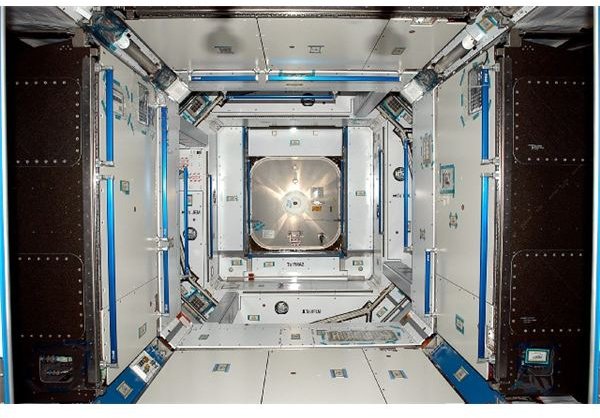
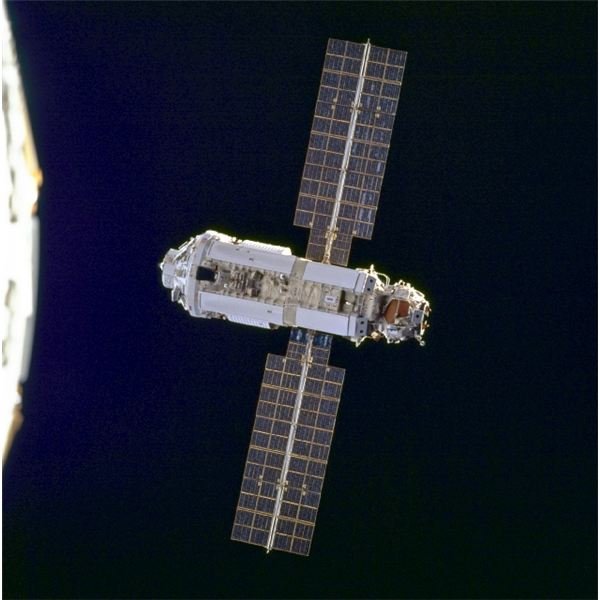
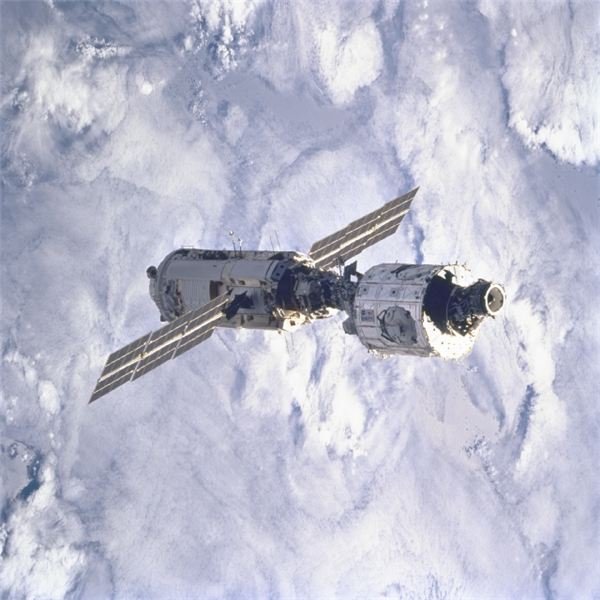
On January 29, 1998, the agreement for the construction of the International Space Station (ISS) was signed in Washington, and a few months later in November 20, the first module of the ISS, Zarya, was launched from Baikonur. Zarya provided electricity, storage, propulsion and guidance to the ISS for the initial construction stages. Two weeks later, the US-built module Unity was deployed using the Space Shuttle Endeavour, and it is one of three connecting nodes for the ISS, linking other modules together.
Little By Little
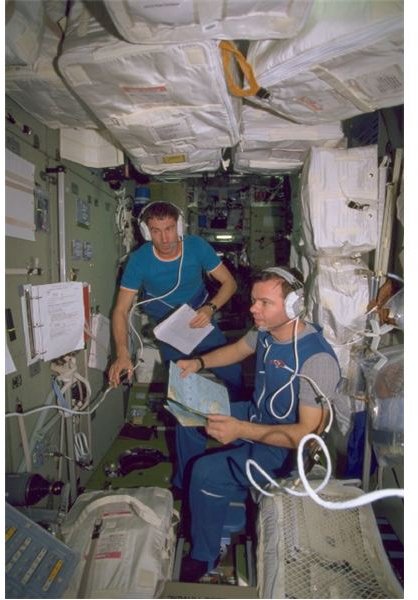
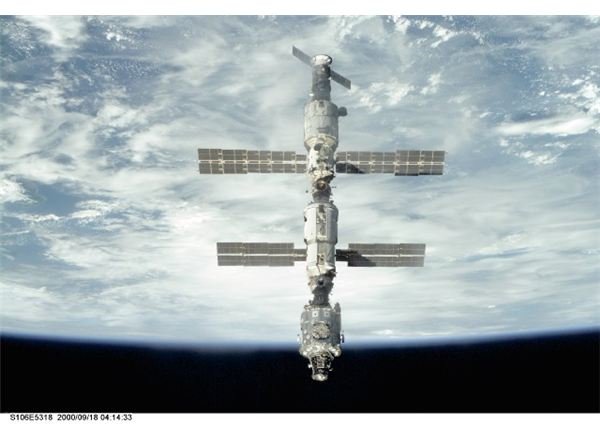
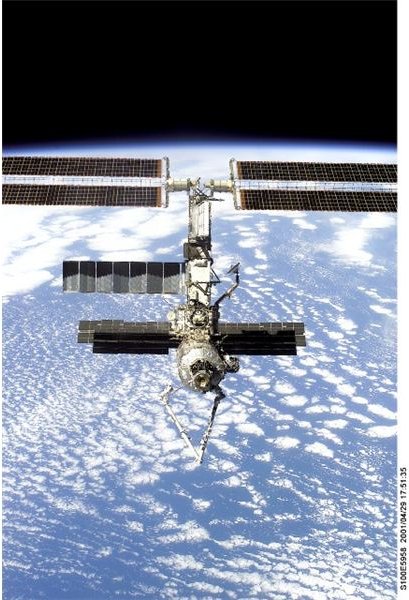
The ISS project started gaining momentum and in July 12, 2000, the Zvezda module, the main habitat for astronauts was added, and on November 2, the first crew of the ISS became a reality, with Yuri Gidzenko, Sergei Krikalev, and William Sheperd spending four months aboard. In 2001, three more modules were added, the Destiny, Quest and Pirs, respectively a US laboratory, a joint airlock and a Russian docking compartment, and three trusses were added next year,as well as Canadarm2, a robotic arm similar to the one used in the Space Shuttle.
Problems and Issues Over the Years
However, the year 2003 was marked by the catastrophic Space Shuttle Columbia accident, severely hampering the ISS assembly program, as well as putting additional strain and workload on crews aboard the station, with two-man crews in order to cut down on needed logistics flights and the Soyuz craft being the only one capable of servicing the ISS while NASA tried to get the Shuttle up and flying again.
After quite some time and in spite of hardships, in 2006 trusses were launched and assembled and in October 2007 the Harmony module, the second interconnecting node after Unity, was placed into orbit and assembled, marking the completion of the US core of the station, and a return to the normal assembly schedule of the ISS.
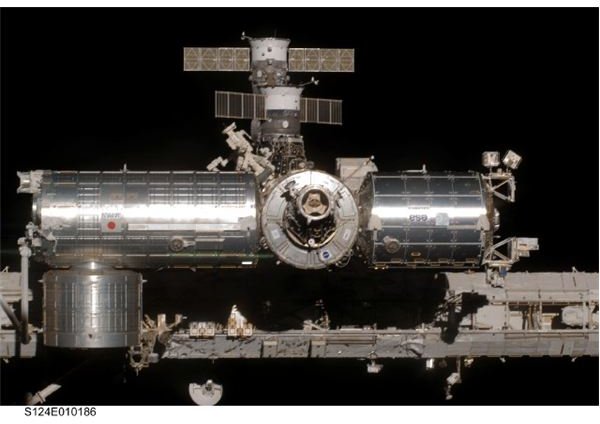
The year 2008 has provided the ISS with two modules that are really starting to show the Space Station’s true potential: the European Space Agency’s Columbus laboratory, and the Japanese Kibo module, the largest and heaviest module of the ISS, that had to be launched in two parts!
Life Achievements
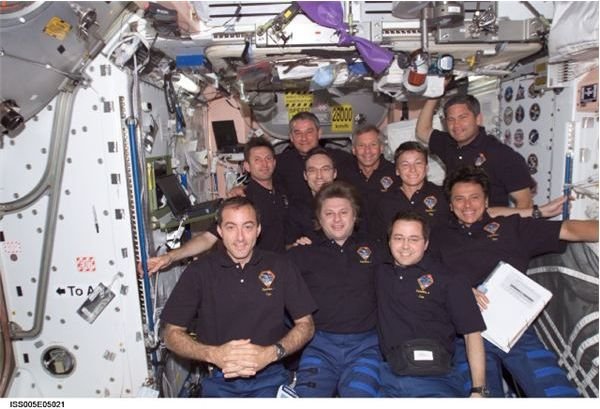
In November of this year the ISS will celebrate ten years of orbit. In those ten years, the ISS grew from just one module weighing 20 tons, into nine modules weighing 300 tons. It has been inhabited by 17 different expeditions, a total of 43 astronauts, 18 Russians, 23 Americans, one German and one French, some revisiting or extending their stay, and consuming more than 18,000 meals in the process. Also, 163 different people have visited the ISS, including Space Shuttle Crews as well as the first five space tourists in history.
The crews of the ISS have conducted 84 spacewalks and 588 experiments and tasks (including each expedition’s Teaching From
Space, Earth Observations and journal keeping). Research covers topics such as biomedical research, biotechnology, fluid physics, materials science, quantum physics, astronomy, and meteorology. The latest Kibo and Columbus modules will really boost the spread and depth of scientific experimentation in the ISS.
A total of 49 flights have been made to assemble and service the station. More than 100,000 people in 16 countries make the ISS a reality, with 300 contractors building all its pieces. By November 20 it will have completed more than 57,000 orbits, and travelled more than 2.3 billion kilometers (1.4 billion miles).
The Future
But don’t forget, the ISS isn’t finished yet. It has grown over time and will continue to grow until hopefully in 2011 it is finally completed, with five more modules, including the Cupola, a sightseeing dome into space, and the Russian multi-purpose lab. The ISS will continue to provide us with invaluable experience and know-how about living and working in space, adapting and developing technology for future space endeavours like a Moon settlement or Mars mission, and more immediately and practically performing research that simply cannot yield the same results on Earth.
The only bleak thought that this anniversary provokes is, what will happen once the space station is completed? Currently there are no missions scheduled for after the year 2010, when the Space Shuttle will retire, and there is reason to believe that the US will not be able or willing to send crew members via the Russian space agency. This means that either the Space Shuttle’s replacement will have to be ready for operations by the time the station is completed, or that the Space Shuttle will have to be given some more time to live. Some, especially in Russia, express concern about the future of the ISS once it is completed, since if NASA practically stops participating, Russia will end up maintaining a costly presence all by itself.
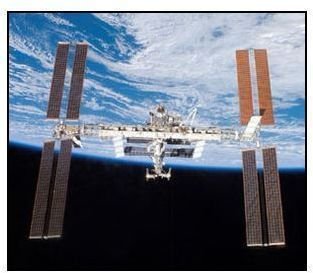
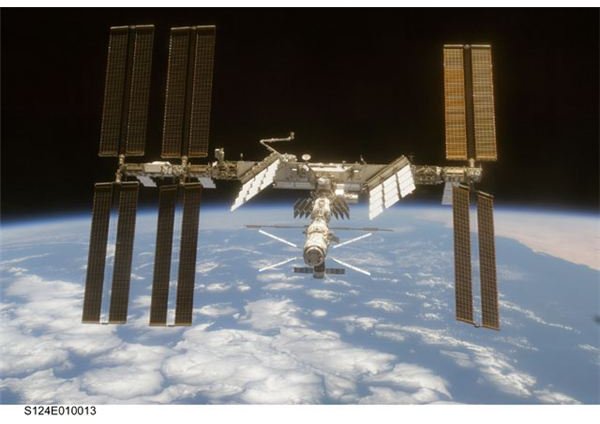
From Zarya to Kibo
Credits
https://www.astronautix.com/project/iss.htm
https://en.wikipedia.org/wiki/ISS
https://www.nasa.gov/mission_pages/station/science/index.html
https://spaceflight.nasa.gov/gallery/images/station/
