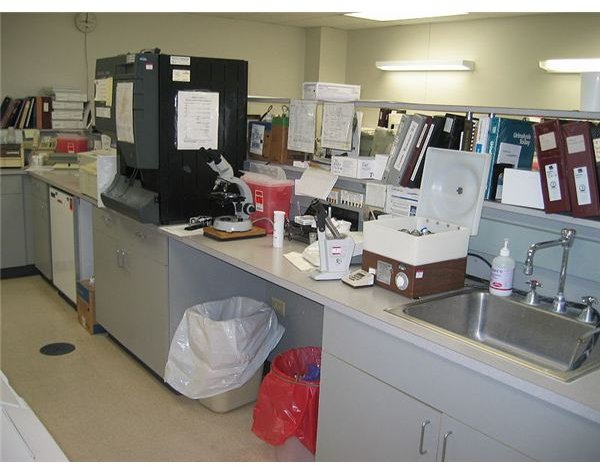
Urinalysis is a procedure used to test a urine sample for diagnostic clues. Medical diagnosis based on urinalysis is proving to be invaluable in the field of medical science. Laboratory professionals make note of abnormalities and report them to physicians, who then use the results to order additional tests or confirm a diagnosis.
Urinalysis is used to test for several conditions. Symptoms that occur may be as a result of a urinary tract infection (UTI) , a disorder of the kidney or another medical condition. A urinalysis helps in determining what the root cause of the symptoms may be. It is also used in testing for drugs and alcohol and for testing whether or not a woman is pregnant.
Collecting and Testing a Sample
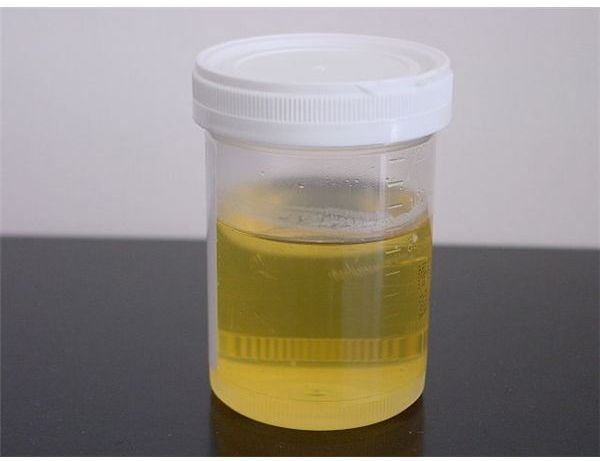
The kidneys are mainly responsible for producing urine. Urine is composed of several wastes and by-products that are present in the body. Our kidneys filter out the waste materials and fluids from the blood, which are then passed down to the urine. Minerals, toxins and other substances are also filtered by the kidneys, eventually being passed out in the urine. The kidneys help in regulating the water content of the body and conserve proteins as well as electrolytes which the body uses. A urine test is a good measure of your overall health.
Collecting a urine sample for testing is fairly easy. The sample can be collected either at home, at a facility where testing is conducted or at your doctor’s office. Concentration levels in the first sample, early in the morning, are much higher and allow for detecting any abnormalities present in the urine with greater ease. Even though the first sample is considered the most ideal, urine can be collected at any time. A sample can be collected by first letting out a portion of the urine in the toilet, then collecting an ounce or two of urine in a container and finally letting the remaining portion out in the toilet. A sample collected in this manner is called a “midstream collection” or “clean catch”. Making sure that the genitalia is clean before collecting a sample ensures that no bodily fluids enter the urine and interfere with the test results. Taking the sample to a laboratory or a doctor’s office for testing should be done within an hour after collection. If the delay is longer than an hour, the sample should be refrigerated.
Once the sample is submitted, it is tested and analysed for any abnormalities. There are several different types of urine tests; however, a general analysis involves a visual inspection of the urine followed by a chemical inspection. Abnormalities, if present, are further examined by microscopic inspection of the urine. Your doctor may also order a microscopic inspection based on the test results, if he feels that further examination needs to be conducted. We will now look at these three phases of urinalysis in further detail and describe the various components that are looked at to aid in a medical diagnosis based on urinalysis.
Visual Inspection
Visual inspection of the urine, involves checking the urine’s color, clarity and odor. We will look at each one of these briefly.
-
Color: The color of the urine is affected by the kinds of foods you eat, medications and certain infections. Normal urine usually has a color of pale to yellow. Brown urine can be caused by the presence of bile pigments. Dehydration is generally the cause for dark yellow urine, whereas red urine is caused by either blood in the urine due to hematuria or sometimes by eating certain foods such as blackberries, rhubarb and beets.
-
Clarity: Normal urine is usually clear. The presence of sperm or bacteria can make the urine appear cloudy. Other factors why the urine maybe cloudy is due to conditions, such as, phosphaturia, pyuria, chyluria, lipiduria and hyperoxaluria. Hyperunicosuria, caused due to food that is rich in purines, can also cause cloudy urine.
Advertisement -
Odor: Under normal conditions, a person’s urine has a bit of a “nutty” odor to it. The normal odor of urine is described as uronoid and can be very strong in specimens that are concentrated. One condition that can change the odor of urine is diabetic ketoacidosis, in which the smell of urine is sweet or fruity. Bladder retention can cause the urine to have an ammoniacal odor. Cystine decomposition can cause a sulfuric acid smell in the urine, whereas gastrointestinal-bladder fistulas can cause a fecal smell. Odor is also affected by medications, UTI’s, and certain foods, such as, asparagus.
Continued on next page
Chemical Inspection
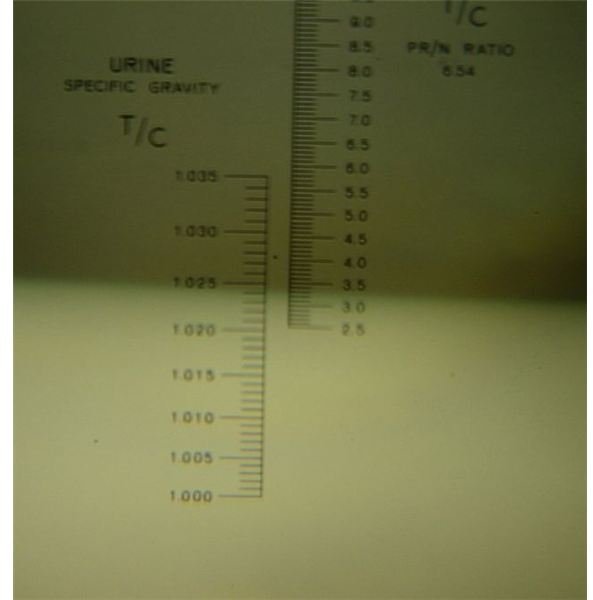
A chemical examination of the urine involves testing the urine for various factors, such as, specific gravity, pH etc. The test is usually conducted using reagent strips by a laboratorian. We will look at what factors are tested.
-
Specific gravity: Urinary specific gravity (USG) is measure of the hrydration status of an individual. Drinking plenty of fluids, allows the kidneys to make urine with a lot of water, thus the specific gravity of the urine is low. When less water is consumed, the specific gravity is higher, since less water is used to make the urine. A person with a normal USG tends to have a specific gravity between 1.003 to 1.030. A person is said to be hydrated if their USG is less than 1.010, and dehydrated if the USG is greater than 1.020. Certain conditions, such as glycosuria, are responsible for an increased USG. Diuretic use, diabetes insipidus, aldosteronism are all associated with a decreased USG.
-
pH: pH of the urine refers to the alkalinity or acidity of the urine. A pH of 7 is considered neutral, while a pH of 4 is very acidic and a pH of 9 is very alkaline. Urinary pH that is high can be caused by a variety of conditions including extensive vomiting, a disease of the kidney, UTI and in some cases even asthma. Dehydration, lung disease (such as emphysema), starvation, overconsumption of alcohol and uncontrolled diabetes, can all cause a low pH.
Advertisement -
Protein: Protein is not one of the by-products found in urine under normal circumstances. A condition known as proteinuria is an early sign of kidney disease. Proteinuria is described as elevated levels of protein found in the urine. Proteinuria can be caused by a variety of other conditions including, multiple myeloma and inflammation. Extraneous exercise, pregnancy and fever can also cause protein to be present in the urine
-
Glucose: The presence of glucose in urine is not normal. Glucose is a sugar found in the blood. Causes for glucose in the urine can be due to liver damage, brain damage and as a result of certain types of kidney diseases. In the case of uncontrolled diabetes, the sugar levels in the body are elevated to a great extent and the glucose finds its way into the urine, which may be another cause for the presence of the substance in the urine. During a normal pregnancy, it is not uncommon to find glucose in the urine.
Advertisement
Continued on next page
Chemical Inspection (continued)
-
Nitrites: In an abnormal sample of the urine, urinary nitrates are converted to nitrites by the presence of bacteria. This indicates that a UTI is present in the body.
Advertisement -
Leukocyte estarase: The presence of leukocyte esterase in the urine is due to white blood cells (WBCs), also known as leukocytes, in the urine. The most likely cause for this is a UTI.
-
Ketones: Ketones are produced in the body when fat is broken down or metabolised. The lack of carbohydrates, due to starvation or other kinds of carbohydrate deficient diets, can cause the body to break down fat and convert it to ketone. Frequent vomiting may cause the loss of carbohydrates, resulting in ketones. Extraneous exercise can also cause the production of ketones. A normal urine sample should not have ketones present in it.
Advertisement -
Blood: Blood in the urine is known as hematuria. The presence of red blood cells (RBCs) in the urine can be linked to a variety of conditions. Low levels of RBCs found in the urine can be considered as a “negative” test result. Higher counts of RBCs in the urine result in a positive result. Kidney diseases, urinary tract diseases, extraneous exercise, trauma and certain medications can all cause hematuria.
-
Biliurbin: Bilirubin is a waste product of the body that is produced by the liver. A urine sample containing bilirubin, is considered abnormal. It usually suggests an early sign of a liver disease, such as jaundice.
Advertisement
Microscopic Analysis
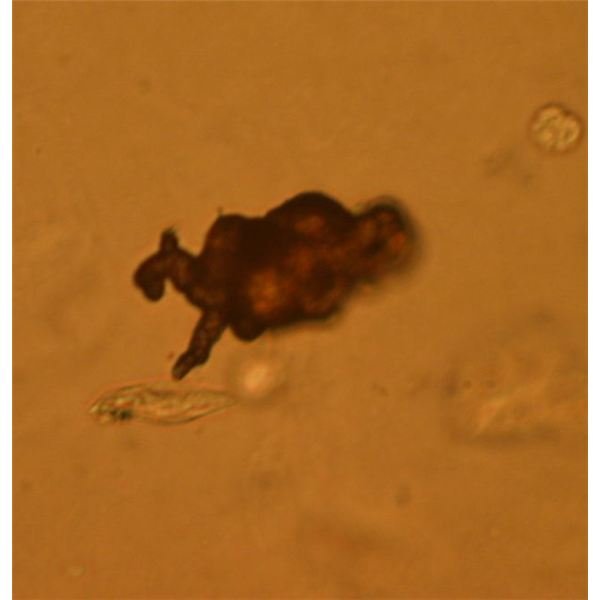
A microscopic analysis is performed if any abnormalities are found in the visual and chemical tests. A centrifuge is used to settle the solid matter of the urine. The sediment is then placed on a plate and analysed using a microscope. Under a microscope, a laboratorian may look for RBCs or WBCs, which may indicate inflammation, injury to the kidneys or an infection or disease of the kidneys. Another thing that is looked for in a microscopic analysis is the presence of casts in the sample. Casts are materials that form inside the tubules of kidneys, usually because of a kidney disease. Normally, a urine sample will have a few crystals present in them, but a large number of crystals in the urine is an indicator of kidney stones. Parasites, yeast cells and bacteria are also not found in a normal sample of urine. Their presence indicates an infection of the urinary tract.
There are numerous other conditions that a urinalysis can help determine. For any concerns with your urine sample, you should consult your doctor and find out what the next step may be. Also if you are interested in learning more about the various medical diagnosis based on urinalysis, you should talk to your local librarian and find a book that gives more details on the subject.
Credits
1. https://healthmad.com/conditions-and-diseases/importance-of-urine-analysis/
2. https://www.nlm.nih.gov/medlineplus/ency/article/003579.htm
3. https://www.webmd.com/a-to-z-guides/urine-test
Image Credits: Wikimedia Commons/ Bobjgalindo/Turbotorque/Bobjgalindo/Bobjgalindo