Human genetic disorder risk factors are in place to help scientists and medical professionals determine a patient’s risk of developing a genetic disorder. Are you familiar with the risk factors?
Both genetic and environmental factors play a role in the development of all conditions and diseases. Genetic disorders occur when an individual’s genetic material has abnormalities. There are four types of genetic disorders: multifactorial, mitochondrial, single-gene, and chromosomal. The human genetic disorder risk factors vary depending on what genetic disorder a person is affected by.
Single-Gene
Single-gene genetic disorders, also referred to as monogenic or Mendelian, occur when genetic mutations occur in the DNA sequence of a single gene. Genes perform a variety of functions, such as performing most life function, code for proteins, make up most of all cellular structures, and carry out most of the work. When a gene becomes mutated, a disorder can result due to its protein not being able to carry out the normal functions that it should. These mutations affect approximately every one out of every two-hundred births and there are over 6,000 single-gene disorders. Some examples include sickle cell anemia, Huntington’s disease, cystic fibrosis , Marfan syndrome, and hereditary hemochromotosis. These are inherited in recognizable patterns, including autosomal recessive, autosomal dominant, and X-linked.
Multifactorial
Multifactorial genetic disorders, also referred to as polygenic or complex, are caused by a combination of mutations in multiple genes and environmental factors. It is far more complicated to analyze multifactorial disorders than it is to analyze chromosomal or single-gene disorders. Multifactorial disorders account for many common chronic disorders. Some of these include heart disease, Alzheimer’s disease, diabetes, obesity, high blood pressure, arthritis, and cancer. Inheritance of this type of disorder is also associated with heritable traits, such as height, skin color, fingerprint patterns, and eye color.
Chromosomal
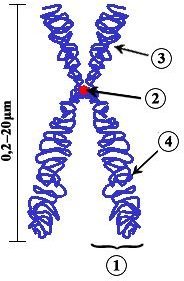
Chromosomes are found within the nucleus of all cells, are made up of protein, and are distinct structures. However, they still have human genetic disorder risk factors. Chromosomes carry genetic material and can result in disease due to chromosomal structural abnormalities, such as extra copies, missing copies, or gross rejoinings and breaks. Some of the major types of chromosomal abnormalities can be found by analyzing them under a microscope. If a person has three copes if chromosome 21, they can develop trisomy 21 or Downs syndrome. Some sex chromosomal disorders include Turner syndrome, Jacob’s syndrome, Klinefelter syndrome, and Triple-X.
Mitochondrial
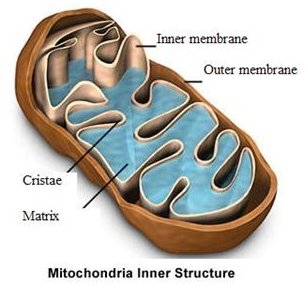
Nonchromosomal DNA of mitochondria mutations that lead to a genetic disorder is relatively rare. Mitochondria are rod-like or small round organelles found in the cytoplasm of animal and plant cells that are involved in cellular respiration. Five to ten circular pieces of DNA can be found in every mitochondrion. Some mitochondrial disorders include Leber’s hereditary optic atrophy, mitochondrial encephalopathy, myoclonus epilepsy with ragged red fibers, stroke-like episodes, and lactic acidosis.
Resources
Human Genome Project Information. (2008). Genetic Disease Information. Retrieved on January 27, 2010 from Human Genome Project Information: https://www.ornl.gov/sci/techresources/Human _Genome/medicine/assist.shtml
Image Credits
Mitochondria: Tinojasontran – Wikimedia Commons
Chromosome: Nupedia – Wikimedia Commons