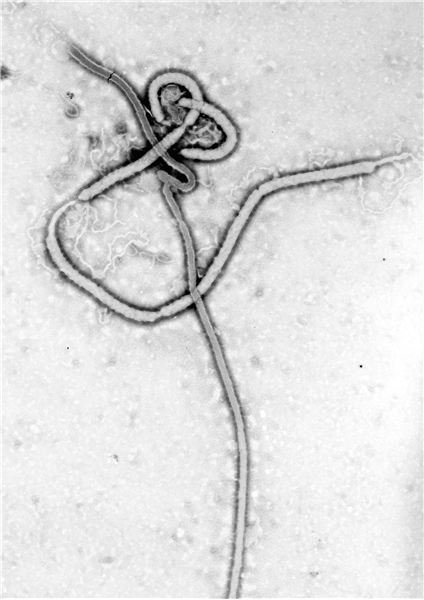
Ebola is a deadly viral pathogen that’s killed over 1200 people since the first outbreak in 1976. Despite exhaustive studies its natural reservoir is unknown, but the evidence is stacking up that fruit bats are the reservoirs of the Ebola virus.
Ebola Virus
Ebola virus gets its name from the Ebola River in the Democratic Republic of the Congo, one of the sites of the 1976 outbreak. The dangerous pathogen kills 50-90% of the humans it infects by causing extensive internal bleeding. It is believed that an outbreak starts with a person coming into contact with an infected animal, such as a gorilla or monkey. But nonhuman primates are not the natural reservoir of the virus.
A natural reservoir is an organism that carries and transmits an infection, but without becoming ill itself. In terms of the Ebola virus, accusatory fingers are pointing at fruit bats.
Fruit Bats As Reservoirs - The Evidence
In research carried out by scientists at the National Institute of Virology in South Africa bats inoculated in with Ebola virus in a laboratory setting did not die. The virus replicated in the bats and was recovered from bat blood and stools, but no infection was detected.
-
Three different fruit bat species were captured during outbreaks in Gabon and the Democratic Republic of Congo between 2001 and 2003. They all had either DNA traces of the virus in their livers or spleens (these are two organs targeted by the virus) or there was evidence of an immune response to it. But none of the bats showed any symptoms of Ebola disease. More than 1,000 of the animals were trapped and tested by researchers from the Centre International de Recherches Medicales de Franceville. The three bat species were; Hypsignathus monstrosus, Epomops franqueti and Myonycteris torquata and the work was published in Nature in 2005. However, the scientists were unable to isolate the virus itself.
-
In July 2009 researchers from the Special Pathogens Branch at the U.S. Centers for Disease Control and Prevention found live Marburg virus in 5% of the bats tested in a cave in Uganda. Marburg is closely related to Ebola and the research adds weight to the idea that the small mammals are the natural carriers of the virus.
Advertisement -
Circumstantial evidence - in the first outbreak in Sudan in 1976 bats were found in the roof of the Nzara cotton factory where three people died from the disease. Subsequently asymptomatic bats have been found in other locations where humans have contracted Ebola disease.
Therapeutics
If bats are the natural reservoirs it’s thought that they pass the virus on to great apes such as gorillas, but they could also infect humans directly. All the studies so far presented are important pieces of a jigsaw puzzle that has yet to be completed. Knowing the origin of the deadly disease will help scientists understand better how it spreads and could lead to the development of methods to protect animals and humans from its devastating effects.