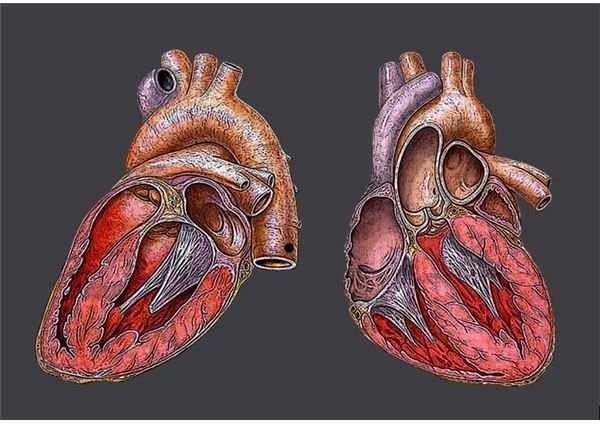
Myocarditis is an inflammation of the heart muscle (the myocardium) and has a number of causes including autoimmune diseases, medicines, environmental toxins, and viral infections.
Myocardium and Myocarditis
The myocardium is the powerful muscular tissue of the heart. It makes up the middle layer of the heart wall and is composed of cardiac muscles which contract to pump blood out into the body and relax when blood returns and refills the heart. When the heart muscle is inflamed it doesn’t work as well as it should and cannot pump blood effectively to other parts of the body.
The consequences of myocarditis are highly variable from showing no symptoms at all (and the problem resolves itself) all the way up to chronic heart failure. This doesn’t mean that the heart has suddenly stopped beating; it refers to a heart that is failing to effectively pump blood around the body. Idiopathic dilated cardiomyopathy is an associated disorder. Idiopathic means that the exact cause hasn’t been found.
Viral Myocarditis
Viral myocarditis is rare, and there are a number of known causative pathogens. According to Patient UK, a leading health information organisation these viruses include Coxsackie B and adenovirus, influenza (flu) , Epstein-Barr, rubella, mumps, measles, yellow fever, dengue, polio, and the viruses that cause hepatitis A and C.
Viral myocarditis can attack anyone at anytime and most cases are not infectious. That is, you can’t catch it from another person. On many occasions the body is able to deal with the viral threat and the symptoms resolve themselves within a week. However, sometimes the inflammation remains, long after the pathogens have been dispatched. This could be caused by an over active immune system that prolongs the inflammation. Some of the viral infection symptoms of viral myocarditis include: - shortness of breath, chest pain, fatigue heart palpitations, leg swelling, irregular heartbeat, and fainting.
Treatment will depend on the severity of symptoms; bed rest is usually prescribed and in most cases the viral infection will clear up of its own accord. However, in rare situations there are complications and the symptoms will worsen and an individual will need further treatments. Again, depending on the severity of these symptoms the range of treatments can include; - steroids to reduce the inflammation, pacemaker, or heart transplant (in the most serious cases).
Potential Cures
There are various labs around the world using genetic studies to try and come up with potential therapeutics. In April 2009 scientists from the Max Delbrück Center for Molecular Medicine (MDC) Berlin-Buch, Germany demonstrated how they had stopped viral myocarditis in mice.
The cause of the viral infection was the Coxsackievirus and the researchers were able to block the receptor that the pathogen usually binds to. The result was that the infection went away. The receptor is known as the Coxsackie-adenovirus-receptor (CAR) and it is found on the cell membrane of myocardial fibres. The work also showed that in this situation the inflammation was due to the virus and not the body attacking itself. This is an important distinction to make as it will help with the design of drugs to target the CAR receptor.
Resources
Yu Shi et al. Cardiac deletion of the Coxsackievirus-adenovirusreceptor abolishes CVB3 infection and prevents myocarditis in vivo. Journal of American College of Cardiology, 2009; 53:1219-1226


