Myositis is the general name given to inflammation of the skeletal muscles, those muscles that you control consciously to get around and pick up objects. Myositis has a number of causes including infection, injury, genetic disorders, and autoimmune disease.
Viral Infections
The infectious causes of myositis are bacterial, fungal, parasitic, and viral. They are relatively rare occurrences because muscle tissue is fairly resistant to infectious diseases. But when it does occur the infection symptoms include pain, swelling, tenderness, and muscle weakness. The course of the disease can be acute, subacute, or even chronic in nature.
Viral Myositis
There are a number of pathogens that cause viral myositis and there are usually other symptoms present which are characteristic of the causative organism. Viral causes include influenza A and B viruses, enteroviruses, HIV and hepatitis B and C viruses.
**
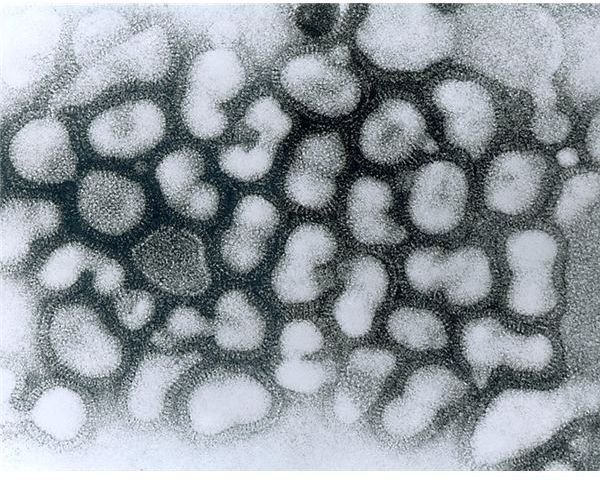
Influenza A and B - were first shown to be a cause in 1970. These are the most common cause of viral myositis in the United States and the main symptoms are calf pain and a difficulty to walk. A study in 1989 found that myositis is common in 6% of children with type A influenza and in 34% with type B. Most cases tend to occur in children and the onset of viral infection symptoms is usually during the convalescence period i.e. after the main systemic symptoms of infection - so there is a small window of opportunity for antiviral medicines.
Enteroviruses - myositis caused by enteroviruses (small viruses made of RNA and protein) generally strikes children who typically present with a sharp chest pain. The pathogenesis of the inflammation is unknown but necrosis of muscle fibres have been detected in biopsies. The disease usually resolves in several days.
HIV - has not actually been found in muscle fibres; it’s been detected in lymphoid cells surrounding the tissue. This has led scientists to conclude that the myositis is not caused by HIV directly, but maybe mediated by cytokines which are secreted from some types of immune cells.
Hepatitis B and C - symptoms include muscle weakness; and as with HIV, the myositis caused Hepatitis B or C infection is believed to be mediated by the immune system.
Other viruses associated with myositis include Epstein-Barr virus, West Nile virus, Dengue virus , and herpes simplex virus.
Treatment
There are a wide variety of treatments available and their use depends on the causative organism and the symptoms presented. Sometimes professionals from several medical fields such as surgeons and infectious disease specialists are involved.
Sources
Nancy F. Crum-Cianflone Clin Microbiol Rev. 2008 July; 21(3): 473–494
Hurd, D. D., D. B. Staub, R. I Roelofs, and L. P. Dehner. 1989. Profound muscle weakness as the presenting feature of disseminated cryptococcal infection. Rev. Infect. Dis. 11:970-974