If you’ve been thinking about starting a flower shop, there are several preparations to make before opening day. Read on to learn more about inventory control, special skills needed, and other tips that will help your business be more successful.
Introduction
Starting your own business can be a daunting task, particularly if you know little or nothing about the industry you’ve chosen to get into. This article is meant to provide some basic guidance for people who are thinking of opening their own retail flower shop. Whether you are a first time entrepreneur or a seasoned professional florist who is ready to branch out on your own, its goal is to help give you an idea of what you are getting into before you make the decision to start your business.
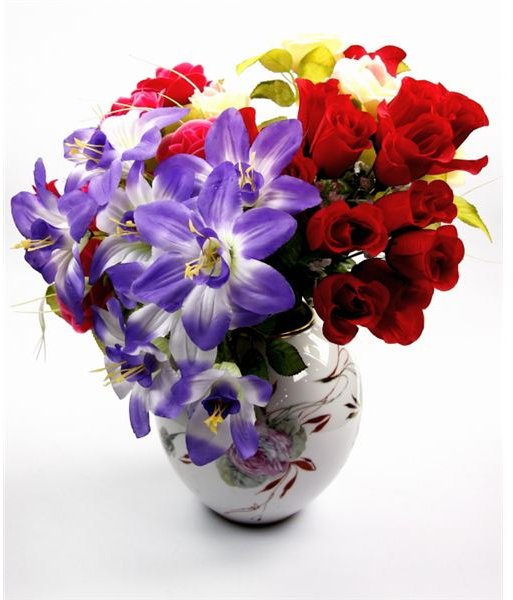
Image Credit: morgueFile.com/clarita
Planning Your Flower Shop
Everyone loves flowers. They are really pretty and make a great gift for any occasion. People are constantly buying them for their mothers, spouses and loved ones, not to mention weddings, funerals and other important functions. They must also be really easy to work with and provide lots of people with an easy way to make a living, right? Wrong!
You shouldn’t make the mistake of assuming that running a flower shop is a proverbial peace of cake just because it looks that way from the outside. As any experienced business owner will tell you, the truth is, there is no such thing as easy money. The flower industry is by no means an exception to that rule. In fact, many people would argue that it is one of the toughest businesses to break into, so if you are thinking of starting your own shop, you should definitely take the time to reflect on whether this is the right industry for you.
You may be asking yourself: “But, how can I know until I try it?” The truth is you can’t, but you may want to consider the following points before making your decision:
- Flower shops deal in perishables.
This means that flower shops are forced to throw away a large portion of their inventory on a regular basis, which can be very costly, particularly for new businesses that have very few customers and don’t make a lot of sales. The flowers you order from suppliers may also arrive in poor condition, making it necessary to work with multiple distributers and to take great care when receiving goods.
- You always need to be well stocked.
The success of your business will depend heavily on being able to provide your customers with the goods they desire. Just because you aren’t selling many flowers doesn’t mean you don’t need to have a lot of them on hand at all times. If you want to acquire new customers and keep your existing ones, you need to have a good selection of goods to choose from. In addition, making arrangements calls for a wide variety of different flowers and foliage, which you must always have on hand, as you never know when you’ll receive an order.
- Flower arranging requires special skills.
Just because it looks easy, doesn’t mean it is. Even the most skilled florists don’t rely on their talent and natural ability alone. On the contrary, this type of work requires training, an in-depth knowledge of design techniques and materials, not to mention a whole lot of practice.
- The floral industry is labor intensive
Cut flowers require a great deal of special care. Their stems need to be clipped frequently and need fresh water, nutrients and special climate conditions, which means washing buckets, mixing water with additives, controlling the temperature and removing leaves and thorns. Flower vendors also need to constantly arrange their products so that they look attractive and make sure to separate fresh goods from the not so fresh ones. Pests such as insects and fungi also can also spread quickly, so measures must be taken to prevent them from doing so. Flower arranging can be tough work as well. Most florists work long hours, spend most of their time on their feet and put in plenty of overtime, especially when they are preparing for weddings and special events.
Read on to the next page for tips and advice on how to start planning for your flower shop.
Getting The Ball Rolling
If you’re still intent on starting a flower shop after reading the last section, you’re probably interested in finding out what’s involved in actually getting your business up and running. After all, that’s why you started reading this article in the first place, isn’t it?
As it turns out, there are quite a few things you’ll need to get done before you actually open your store. The first step is to do some market research . This means exploring your area and identifying as many competitors as you can. While it’s important to know how many other similar businesses you’ll be competing with, it’s also crucial that you determine exactly what you are up against. Take a look inside those stores and see what the other guys are selling. Sure, they all sell flowers, but what else do they carry?
The flower business is as much about accessories as it is about the actual flowers. Vases, stuffed animals and chocolates are just some of the items florists sell. You’ll also want to ask lots of questions and try to gauge how well your competitors are doing. This should help you determine whether or not the market is saturated. Gauge the quality of your competitors’ work and figure out which products you can carry that aren’t already being sold elsewhere.
In addition to understanding who your competitors are and what they have to offer, you also need to find some suppliers. Apart from fresh cut flowers, you’ll also need all sorts of supplies such as plastic containers, floral foam, floral food, wire, baskets, vases, colored papers, ribbons, bows, cellophane, greeting cards, etc. While other florists may be reluctant to tell you who their suppliers are, you can search on the Internet and look in floral industry publications for contacts.
After you’ve done your homework, it is best to sit down and write a business plan . While formats vary, a good business plan should address all of the following questions: What are you going to sell? What will you call your business? Who is your target market? How are you going to make your products and services known? What do you need to do in order to set up your store? How much do you need to invest and where will you get the money? How will you make a profit? What are your short term and long term goals? How much staff will you need to hire and who will do what?
The next thing you’ll need to do is to choose a location. This is one of the most important decisions you will make, so it shouldn’t be taken lightly. Picking the right location can literally mean the difference between being wildly successful and failing miserably. The market research you have already done should help you determine which areas are too saturated, so make sure to stay away from those. When deciding on a location it is also important to consider what types of businesses and neighborhoods are in close range. Ideally, there should be other types of shops nearby and your clientele should either be upscale or consist of mostly middle class people. Remember, flowers are a luxury item, rather than a basic necessity, so working class neighborhoods are not well suited to this kind of business. Rent and space are also an issue. You need to be able to minimize your overhead without compromising your ability to display your merchandise effectively while, maintaining an ample workspace for flower arranging.
On the next page, we’ll cover some other tips that will help ensure your flower shop gets started on the right foot.
A Brief Word About Training
If you are planning to do the flower arranging yourself, it’s very important that you be qualified to do so. The same holds true for your employees. If you have no experience as a professional florist, you should look in to taking some floral design courses. While I highly recommend taking at least one hands-on course at an institute, distance learning programs and Internet training are also available.
Branding
Before you do anything else, make sure you come up with a name for your business and invest in a good logo. Remember, you’ll need to have both of these before you get signs made, print business cards and brochures, or sell your services online. Choose a name and an image people will remember and show them to everybody you know to see what type of response you get.
Setting up Shop
Once you’ve completed the planning phase, it’s time to start the process of setting up your business. This process includes buying the equipment you need and making changes to the space you’ve rented. Assuming you’ve obtained all of the necessary permits for your business and completed whatever remodeling needs to get done, some of the things you’ll need to acquire are:
- Furniture
- Signs
- Cooling equipment (refrigerators or a built in unit)
- Computer
- Point of Sales and Inventory Control Software
- Plastic Buckets
- Floral supplies
Bank Accounts and Payment Processing
Every business needs at least one bank account. These days it is also important to be able to accept credit cards, so make sure to go to your favorite financial institution and request information about setting up a merchant account. You may also want to look into third party payment processors and payment gateways. For more information, refer to this guide on accepting cards for your business.
Marketing
One reason most businesses fail is because they don’t market their goods or services effectively. Make sure you do some basic things to get people interested in your shop before you open. Some of the things you may want to try are handing out fliers, sending faxes, posting announcements on bulletin boards, sending emails to everyone you know and advertising in a local newspaper. It’s also helpful to have a grand opening. Invite everyone you can think of and ask them to bring a friend. Hand out free food and drinks and hand out business cards and brochures. This is a great way get people interested.