What are the Differences Between Patents and Trademarks?
What are Patents and Trademarks?
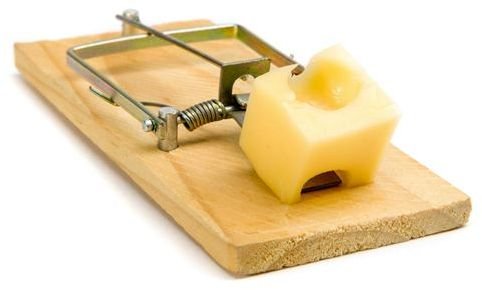
Patents and trademarks differ greatly. In a nutshell, a patent offers protection for an invention or an improvement to an existing invention (like a new machine or better mousetrap). Patents for inventions that do work are called utility patents.
Patents can also be applied to designs that are used to manufacture items at a place like a factory. These are called design patents. A better mousetrap may be granted a design patent for its manufacture and a utility patent for its use.
Patents are also granted for new varieties of plants. These are called Plant patents.
Trademarks aren’t physical inventions. As a result, they are completely different from patents. Trademarks are names, logos, images, and the like that are generally created to identify a company or product. The Coca-Cola logo and name are trademarked, as is the web site for Amazon.com.
The only true relationship between a trademark and a patent is that they both protect the owners, creators, and companies that produced them from others who may try to steal their ideas or products.
Note: Copyrights are a third type of intellectual property and are often confused with patents and trademarks. Copyrights protect literary, artistic, and musical works, and are not applied to or granted for inventions or trade names. For more information on copyrights, refer to The Steps Involved in Applying for a Copyright.
Examples and Non-Examples for Patents
A patent can be granted for original inventions, designs, and plants, including items like:
- A mechanical device such as a tool, weapon, or machine. A patent cannot be granted if the device is created by nature, like lightning, fire, or wind. See Who Invented the Computer Mouse for a unique look at patents.
- A unique and new composition made up of chemicals, alloys, drugs, elements, or particles. A patent cannot be granted for items created by nature, such as a medicinal plant like aloe vera.
- An original process or way of doing something, such as smashing atoms. You cannot patent a method, such as method of meditation or a method of shaking hands.
- A tangible, original, unique invention that is manufactured, like a new-fangled golf club or musical device. Patents cannot be granted to non-tangible things or items that cannot be classified as designs or plants.
Examples and Non-Examples of Trademarks
A trademark can be granted for a logo, symbol, or image that defines a company or product, including items like:
- A logo and/or design used to identify a company, like the one used by Coca-Cola.
- A picture, like the picture of the Pink Panther used by Corning.
- Letters, like those used for IBM. For more information read Small Business Domain Name Security.
- Slogans, sounds, and product shapes (like the iPod).
- Items that cannot be trademarked are those that classify as inventions or those that should have copyrights applied.
See Also: Protect your Company and Brands from Brand-Jackers.
Note: The United States Patent and Trademark Office is an agency of the US Department of Commerce. In contrast, copyrights are handled by the Library of Commerce, Copyright office.
