Selective focus can be a powerful tool for photography. While it’s usually done with expensive pro lenses that provide great maximum apertures, Lensbaby selective focus lenses offer a low-cost way to get the selective focus effect. Fans of the Lensbaby system should consider an accessory lens kit.

Introduction
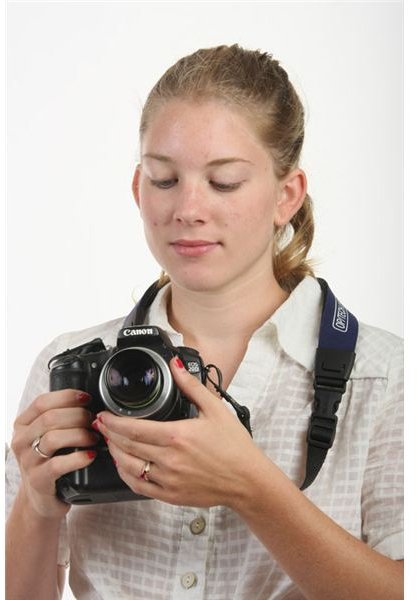
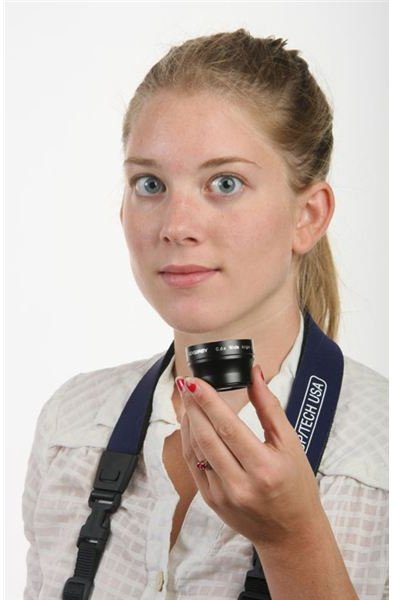
Fans of the Lensbaby Composer selective focus lens know the basic lens offers all sorts of neat creative options. Still, sometimes the basic optic’s field of view (that of a 50 mm lens) isn’t what the photographer needs. For such situations, the company offers a set of screw in lenses (which screw into the Composer’s 37 mm filter thread) that enhance its basic capabilities. The wide angle lens adapter provides .6X magnification (turning the Composer into the equivalent of a 30 mm lens, while the telephoto adapter provides a 1.6X magnification making the Composer into the equivalent of an 80 mm lens. These accessory lenses are compatible with any Lensbaby lens by the way.
Ease of use (4 out of 5)
Ease of use: screw the lens into the composer and compose the image. The most complicated thing about using the combination of the Composer and the adapter lens is that it’s more of a hassle to change aperture rings with the accessory lens mounted. Each accessory lens also has a screw thread so just like the composer, you can use filters with them. The Composer system takes a 37 mm sized screw thread filter. It does take some practice to get the hang of using the Composer and the accessory lenses, but when you make the effort to master these tools, they offer some really fun creative opportunities.
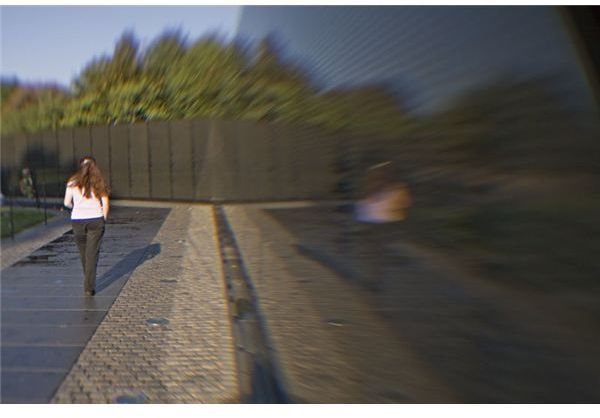
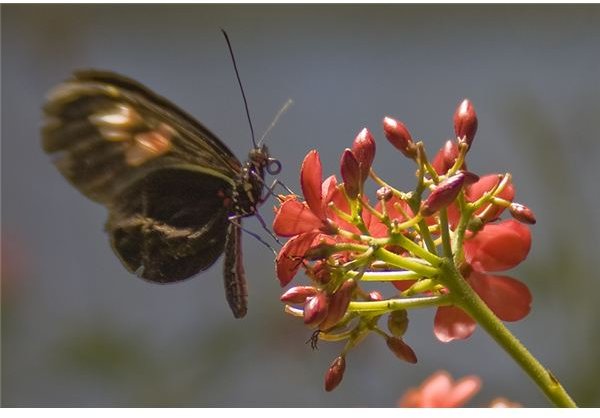
You do have to be careful with these lenses mounted on the Composer. Shift or tilt it too far to any extreme and the corner of the accessory lens can show up in the image. Still, both lenses do expand the reach of the Composer and are useful tools in the field. I spent a weekend in Washington, D.C. checking them out and was quite pleased with the images I was able to make. I even used the accessory lenses with a 4x and 10x diopter kit the company provided and got some good results. (Keep in mind though that achieving critical focus with the Composer, diopter and accessory lens is tricky. You’ll have to make a lot of shots to improve your chances of getting useable images.)
Both lenses allow you to use the Composer’s selective focus capabilities just like the Composer. When using the telephoto lens, the sweet spot will be magnified slightly. The lens each come with their own pouches and cleaning cloths. I’ve only tried the lens on cameras with a 1.3X and 1.6X multiplier effect. I’ve seen reports from one or two full frame camera users that once they started tilting the Composer with an accessory lens attached, the accessory lens showed up in the image and as noted earlier, you have to be careful even when shooting with multiplier effect cameras.
Price to value (4 out of 5)
At $89.95 for the pair, the Wide Angle and Telephoto Lens Kit is a good investment for the photographer who expects to get a lot of use out of the two lenses. They provide good image quality and are fairly easy to use. If you have a Composer (or other Lensbaby lens) and like it, then adding the lens kit to your camera bag will increase its versatility and usefulness.