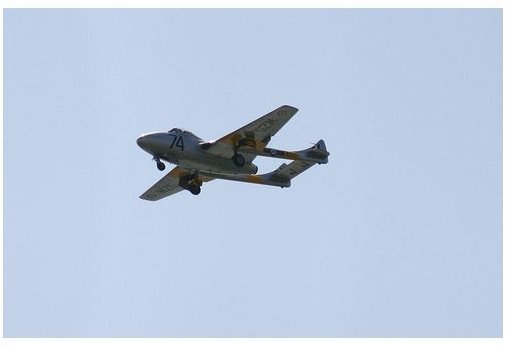
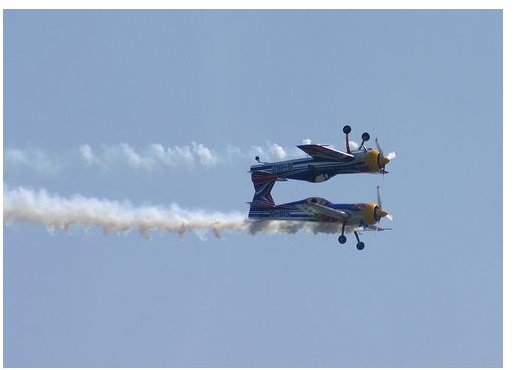
Air shows are colorful and exciting. Getting good shots at such events is certainly possible for beginner photographers. Here’s some tips and advice on how.
Introduction
Air shows present special challenges for the photographer since you’re trying to cover fast moving aircraft that are usually farther than you would like from your camera. Add to it that you have the opportunity to photograph shiny, reflective airplanes on the ground and you can see why air show photography can be a daunting task for many novice shooters.
First off, do some planning. What kind of lenses and other equipment do you think you’ll need? While it’s easy to say you want to bring your longest telephoto or most powerful zoom, keep in mind that you’ll have opportunities to shoot planes on the ground too and will probably be able to get pretty close to the aircraft. Bring a wide angle lens with your kit since they come in handy for the interesting shapes and angles air planes offer. Also consider bringing along a polarizing filter to handle reflections in the plexiglas used in the cockpits.
Practical advice
For shots of aircraft on the ground look at shooting from a variety of angles and directions. Mix up close ups and wider shots, don’t make the mistake of just documenting what the airplane looks like, go for abstract shapes and colors to create more interesting photos. Try to position yourself to juxtapose more than one airplane, shape or color in an image. Also, look for shots of people up close to a plane and take advantage of reflected images in the plane’s shiny surfaces.
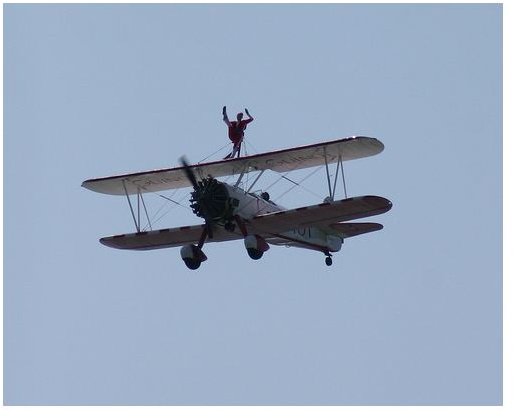
For shots of flying aircraft, crank up your shutter speed to at least 1/500th of a second or faster (much faster if the plane is flying straight towards you, 1/1000th or faster). Keep in mind that the plane you’re photographing will be darker than the sky behind it, so you’ll probably want to set your exposure manually or dial in some exposure compensation (try something around +1.5) unless you can fill the frame with the aircraft.
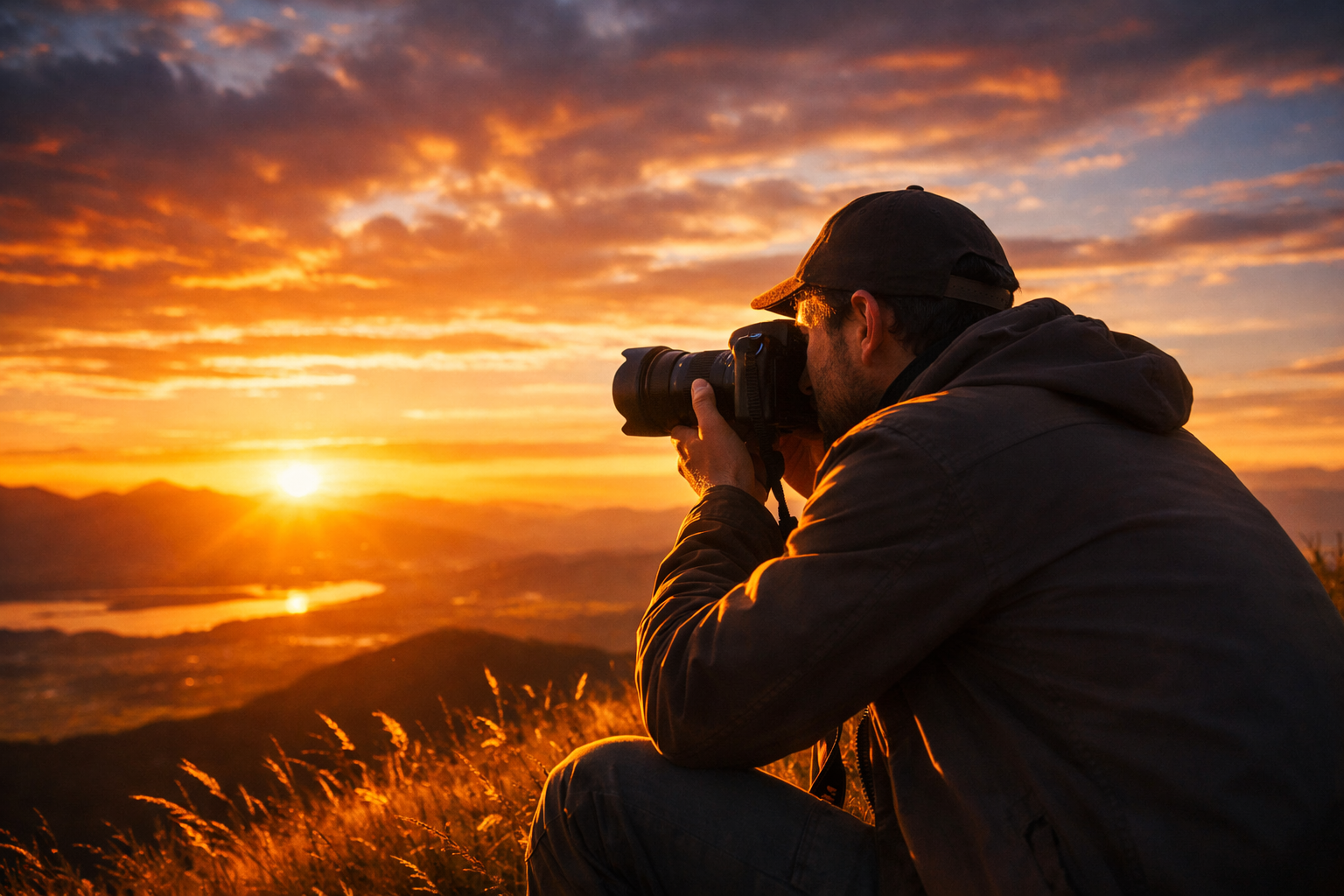
Don’t try to manually focus by focussing the lens to infinity since most lenses over-focus resulting in an out of focus shot. While you’re trying to expose planes in flight to show detail, don’t lose sight of the creative possibilities too. Backlit aircraft can make strong silhouettes because of their hard, angular shapes. If you’re lucky enough to be shooting airplanes in flight near sunset you can attempt to silhouette one against an oversized orange sun. This is a difficult and hazardous shot since the bright light from the sun can damage your eye as you peer through the viewfinder. The best approach to this shot is to pan along with the airplane and trip the shutter just as the airplane crosses in front of the sun. Don’t try this shot until the sun is touching the horizon since it would be quite as intense at that point.