Real Estate Photography Tips & Techniques - How to Become a Real Estate Photographer
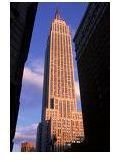
The World’s Tallest Building
You can almost always tell a tourist to NYC. Why? It’s because when they get to West 33rd or West 34th street near the corner of Fifth Avenue, they start walking, crab-like, down the street near the curb, while constantly looking straight up. They’re trying to see the top of the Empire State Building, of course. You can’t see the top of the building from the street, but they keep looking anyway, that is until they bump into something. Native New Yorkers smirk at them, especially the ones who are trying to take photos. This building has to be one of New York City’s most photographed ones, dating back to its completion in 1931 in only one year and forty-five days, when it was officially declared the world’s tallest building.
Looking for a unique, profitable field to get some quick cash flowing your way? Why not delve into real estate photography? It can be lucrative no matter where you live and can vary greatly from one area to the next. No, you aren’t even necessarily limited to sales in the area where you live either. Here are some suggestions on how to get started and keep going in this often overlooked photographic field.
Photography of Real Estate Features
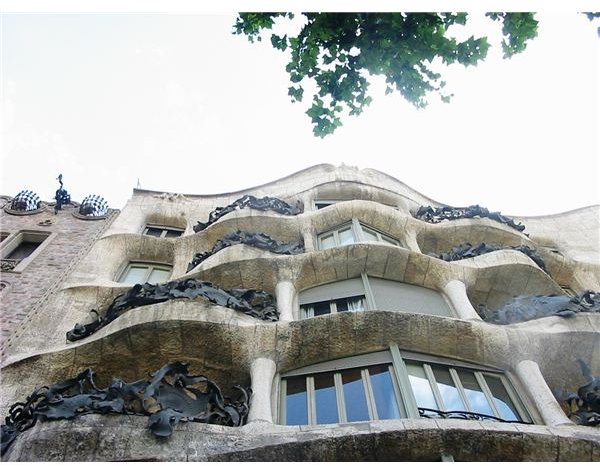
Real estate photographers can be assigned to get digital images of a wide variety of buildings and architectural structures. In addition to the photos of houses and apartments published in magazines, brochures and real estate publications, there are distinctive features to be considered such as:
Location – is the property on or near a body of water – a stream, river or lake? Does it have a view? Is the location unique or special in any way?
Architectural style – is the building a particular architectural type such as Colonial, Spanish, Mediterranean, high-rise, Art Deco or modern?
Function – what specialized function might the structure have: residential, commercial, offices, etc.? The Empire State Building is designed to serve as an area lightning rod, so it gets struck by lightning more than 100 times each year.
Construction – is the building specially constructed featuring a particular material like: wood, concrete, glass, polished steel, masonry, adobe or stone?
History – does the edifice have a unique history attached to it? (Historic, religious, museum, sports, civic, associated with a famous person, time period or special event)
Photographs of Special Features
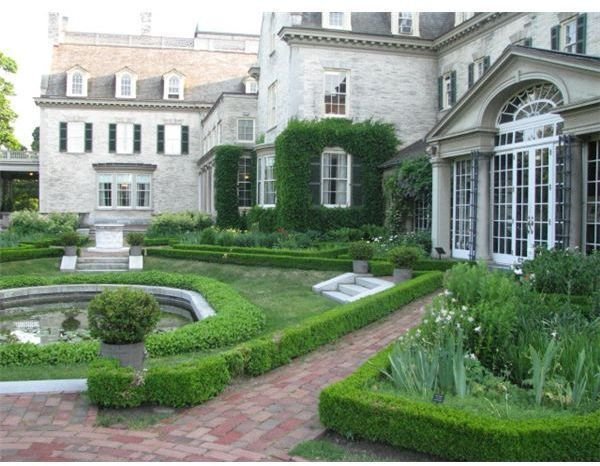
Be sure to consider interior, exterior and close-up, detailed images of any special features of buildings like doors, roofs, windows, lawns, yards and interior arrangements, lighting, and safety features. Resort, inns, motel and hotel real estate consider resort themes, entranceways, foyers, reception, guest facilities, room interiors, elevators, garages, carports, gardens, fountains, driveways and access roads. For chalets, mansions, condominiums, vacation rental homes, you should provide photographic coverage of patios, gardens and leisure area spaces such as illustrated here at the George Eastman house. Townhouses, cabins, beach houses and bungalows might call for additional digital imagery of special construct materials in use, location or setting overviews and treatments of their interiors. Shopping centers and commercial real estate zones rely on location feature shots, walkways, passageways, parking areas, store entrances, maintenance areas and public facilities as part of their principal features.
Camera Equipment Needed for Real Estate Photography
For successful entry into real estate photography you’ll need to have good camera equipment which can cover a broad range of photographic situations. Most quality DSLR cameras have many of the required basic features, but in addition you might want to plan on photo equipment additions including:
-
Wide angle and fisheye lenses will be indispensable for very tall or extra-wide buildings or building features both exterior and interior.
-
Zoom and telephoto lenses for photography of architectural details indoors or outdoors on high ceilings, upper floor exterior abutments, entryways, window trim, windows, archways, ceiling trim and paintings, façades, etc. which cannot be accessed without a scaffold.
-
Lens filters for ultra-violet, hazy conditions, florescent or colored lighting, glare and reflections from shiny building surfaces.
-
Both on-camera and exterior or slave flash units for fill lighting, feature modeling and illumination of building features too distant for your on-camera flash unit.
Please continue on to page two, where you will learn tips and techniques on how to capture the best real estate photos, including suggestions on exposure settings, composition, and tips on breaking into the field of professional real estate photography.
Real Estate Photography Photo Shooting Tips and Techniques
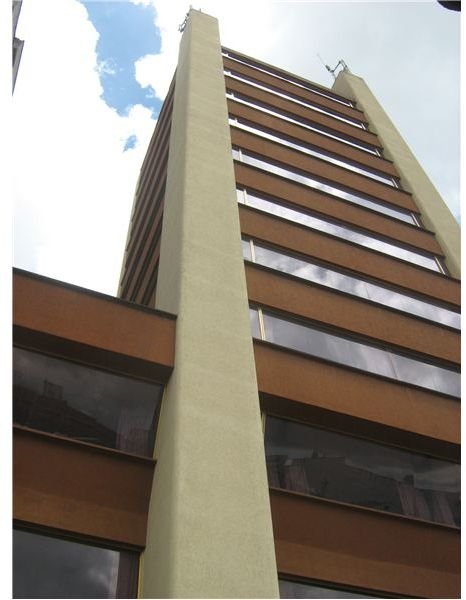
Remember that in real estate photography, the building or subject can’t move, which means that you will have to. When shooting long, wide or very tall buildings with a wide-angle or fisheye lens, you might need to crouch, kneel or get prostrate to get the maximum available angle. For the increased depth of field required for real estate photography, set your digital camera aperture for _f_11 or smaller with a slower shutter speed of 1/125th second or slower to compensate for the small aperture. You can also increase your ISO setting to 200, 400 or even 800 if you still need more of an exposure edge. Slower shutter speeds might also mandate use of a tripod or other camera stabilizing device for razor-sharp, focused images.
Consider Your Perspective
Remember too that these types of buildings are distorted by perspective:
-
Tall buildings tending to “lean away” from you and become narrower towards the top.
-
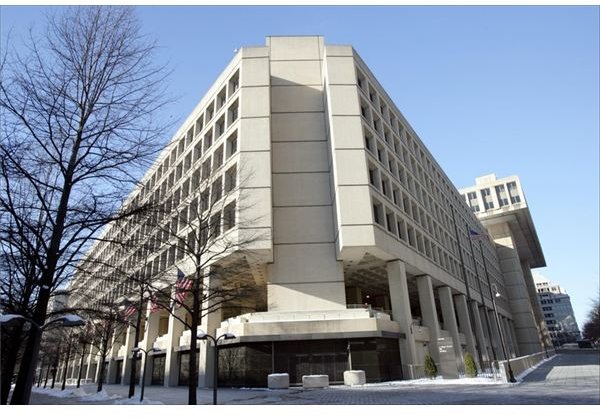
Wide buildings will have the areas closest to you “exaggerated” or enlarged like this digital image of the FBI headquarters building in Washington, D.C.
-
Frame images using something in the foreground – a tree, bush, a doorway or another structure like other buildings.
-
In corner shots of buildings, the front will be enlarged while the rear will diminish in size in the distance.
Breaking into Real Estate Photography
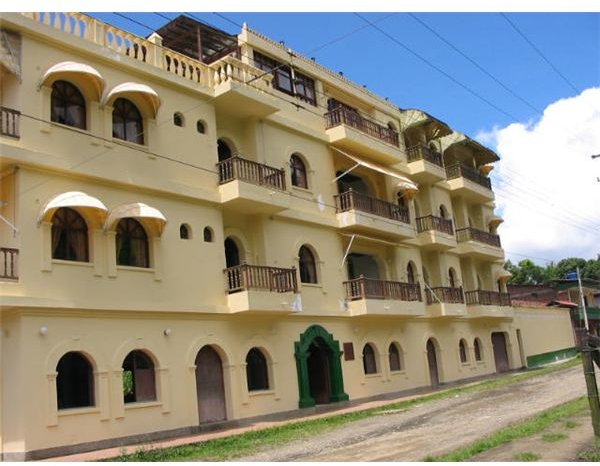
Of course, your local realtors may have digital cameras, but not necessarily the photographic knowledge to take professional-quality digital images that illustrate the property and its best features. If you were to call the majority of real estate offices and property management agencies in your local area, you’d surely bag a portfolio full of photo shoot assignments. Breaking into real estate photography need not be a lengthy or difficult prospect.
First though, you need to put together a portfolio of real estate-related images to show to prospective clients. Start then with your house or apartment. Get permission to do a detailed photo shoot of a family member or neighbor’s home or business property. When you see a “For Sale” sign on a nice-looking or unusual piece of property, contact the owners to ask permission for a photo shoot there, perhaps in exchange for a set of display prints.
When you have at least three to five sets of good digital images of different types of real estate with a variety of exterior and interior features, you’re ready to start looking for clients. Now you can start making phone calls for appointments and knocking on doors of real estate and rental agencies, property management firms and insurance companies. Visit home owners with “For Sale” signs on their property too. Advertise your services both online - at sites like <em>craigslist</em> and <em>USFreeads</em> - and off line in newspapers, magazines, etc. See any other real estate photography possibilities in your local area? Then go after those as well. You’ll have your first of a long series of real estate photography assignments in no time.
Real Estate Photography Can be Lucrative
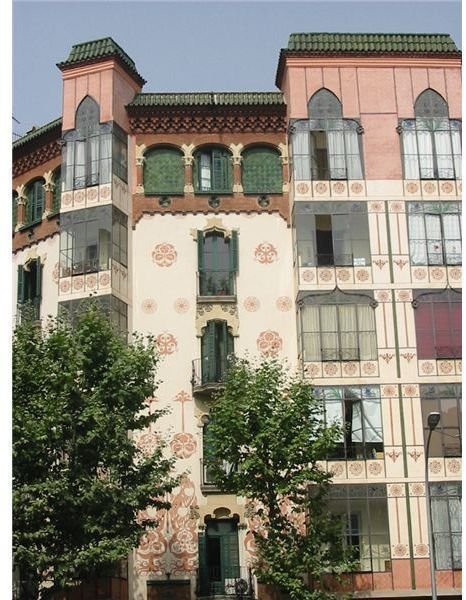
Real estate photography can be lucrative no matter where you live. It’s a unique field to get some cash flowing your way quickly. Use these how-to tips, techniques and suggestions to get started and keep growing in this often passed-over photographic field. So clean up your digs, sweep, mop, toss out those empty beer bottles, (throw away the empty pizza boxes too), get out your digital camera and start putting your real estate photography portfolio together.
