Street Photography - Techniques, Tips & Tricks on How to Capture Street Pictures
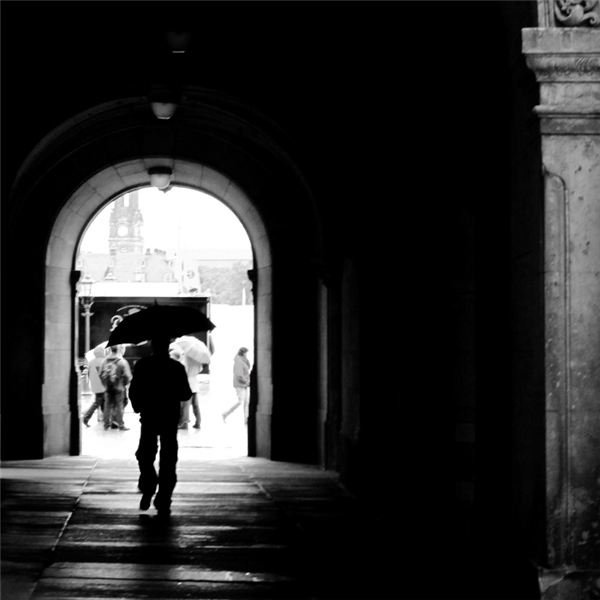
Street Photography
Street photography is one of the most difficult types of photography to practice. Not only does it require a certain technical virtuosity, but to be successful it also requires behaviors and strategies for any amount of success. How do you capture those intensely personal moments with strangers? How do you so quickly compose an image from a scene that is unfolding before your eyes?
Getting into street photography can be a frustrating process: the aim of this article is to give both beginners and advanced practitioners some ideas as to how to become better street photographers, both from a technical and tactical standpoint.
Examples
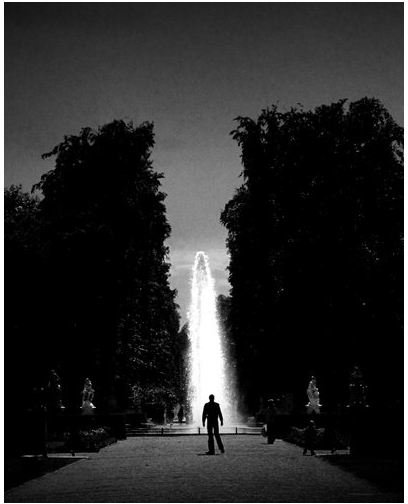
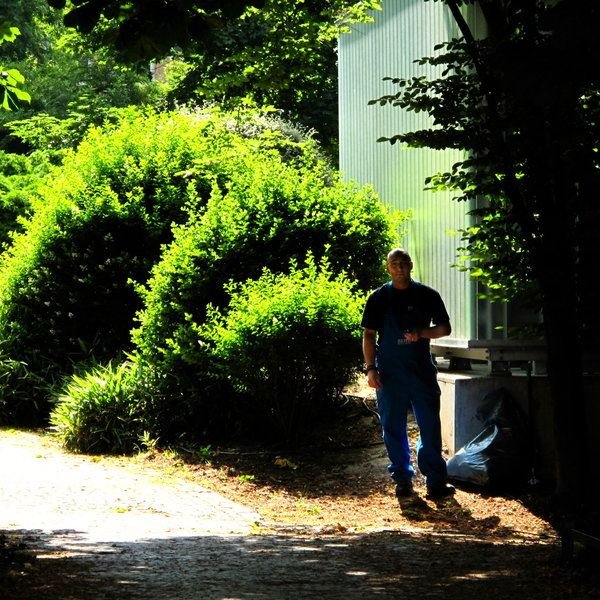
Technical Aspects
One of the most frustrating aspects of street photography is that you really can’t take your time with an image the way you can with conceptual photography, or portraits or landscapes or really any other branch. Your subject is a fleeting moment, one that is impossible to predict, and you often have a window of less than a second in which to get the settings right and press the shutter button. Time is of the essence, so efficiency with your settings is a must.
A common misconception with street photography, more so than with other types of photography, is that a DSLR camera is necessary. In fact, many photographers (the author included) prefer point & shoots, albeit high end point & shoots that have the same full range of manual options as a DSLR and with no sacrifice to image quality. The main advantage of using a point & shoot in street photography is that it’s inconspicuousness: people are less likely to notice it, and thus turn away or otherwise change their behavior. They slip easily in and out of a pocket, leading to seamless movement that precious few people even notice.
Having presets is of critical importance so that you don’t have to redo your settings every single time. That doesn’t mean go into automatic: just having an idea of what you will need and the sort of images you want to capture can cut down on your time considerably.
Depending on your style, it might be better to stay in a lower f-stop, a shallower depth of field. Street scenes often have very busy backgrounds, making it difficult for the desired subject of your composition to stand out.
Fast exposures are also your friend: people move, and when they move, they often move quickly, creating undesired blurs that may destroy what you were trying to capture in their expression. Street photography can thus be very difficult at night, when a longer exposure is often necessary. It may be worth it to move to a higher, grainier ISO in favor of shorter shutter speeds.
Automatic focus can be your friend if the manual focus is cumbersome to use, or even if it isn’t. Many digital cameras are equipped with fantastic automatic focus software that really can get it right where you need it to be, and fast.
It’s better to shoot big, meaning to include more in the framing of your image than you might necessarily need. This gives you a maximum of editing ability later with cropping, say for instance if your subject suddenly changed pace, or if you noticed something in the frame afterwards that you wanted to be the focus of the picture instead. It can only give you added flexibility. Also, it’s less time spent zooming in and out, giving you more potential time to either perfect the current image or to take more pictures.
This might all sound a little overwhelming, but the more you practice, the faster and more efficient you get. Familiarity with the technical aspects of your camera and the speed at which you can get exactly the settings you want can only help in the ever-fluctuating world of street photography.
Please continue on to page 2 of this photography article to learn about the two main strategies to street photography, as well as some additional resources to help get you started.
There are two main schools of thought with street photography: candid and what is sometimes referred to as conversational or “chivalrous” photography. Each require vastly different behavioral strategies.
The Candid Way
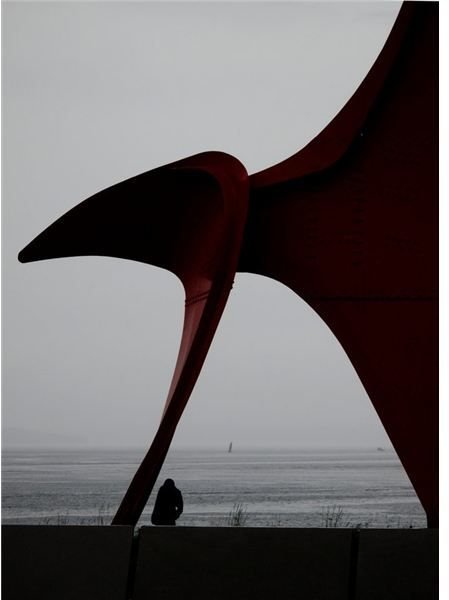
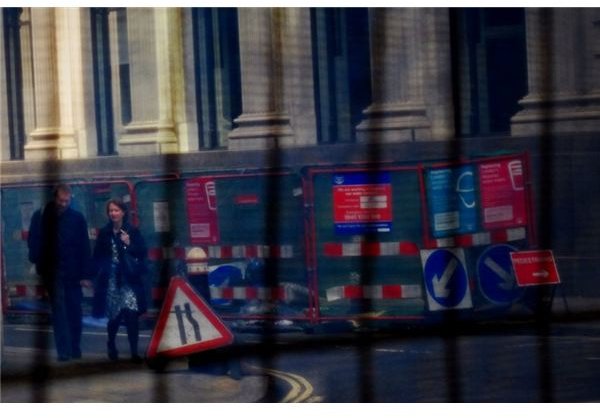
Perhaps the most common type of street photography, candid photography catches people off-guard in vulnerable, intimate moments: a man looking up from a crowd, two people sharing a glance across the street. The photographer is thus required to be inconspicuous, so that the subject does not know that they are part of your composition and thus change their posture. It is important to dress as innocuously as possible for the region—nothing flashy or foreign that might draw attention to yourself.
Patience is very important as well. There’s a fair bit of luck associated with street photography, and some nights it just might not be going your way. Keep a keen eye out for those intriguing compositions, though.
As previously mentioned, it’s important that your camera is as inconspicuous as possible so that people can’t immediately tell that you’re taking a picture of them. Storing it in an easily accessible pocket or bag is a good idea. Some of the more hardcore street photographers might even alter a suitcase to take pictures out of, or a rigging up the sleeve!
In those long spells between shots, it may be worth it to “set a trap”, that is, find a composition that just needs a person to fill in the blank, someone to stand in just the right position. This will not only guarantee you a good shot, but also cut down on the number of settings you have to adjust beforehand.
Wandering is also an important part of street photography. Knowing where to find people and situations is important, as are the pair of legs required to go places. Wear good shoes, and if you don’t know the streets too well, carry a map so you can always navigate back to where you started.
Of course, this makes many people uncomfortable. If the subject notices you, reactions can vary from sarcastic posing to even calling the police. Don’t argue with them: back off and be as polite as possible about it, reassuring them that nothing malicious was intended with the images. There are a lot of ethical dilemmas associated with candid photography, which I’ll leave aside from purposes of this article.
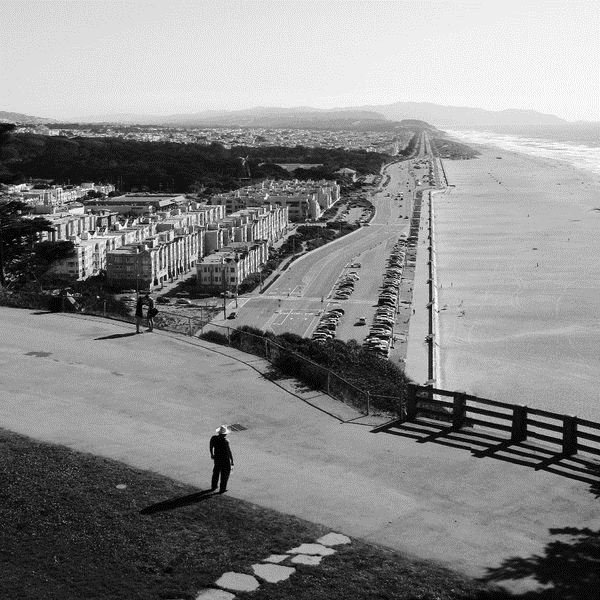
More (Candid) Examples
The Conversational Way
Perhaps because of these ethical dilemmas, many people practice “conversational” or “chivalrous” street photography instead: rather than sniping a shot from a distance, this strategy calls for engagement with the subject.
This is a very bold method of going about things. Your attitude needs to be friendly and unintimidating. Frankly, it helps if you’re small and female, though a sex change operation isn’t what everyone’s looking for here. Dress casually, yet professionally enough that people will take you seriously without intimidation.
While engaging the subject, make it clear that you’ll be taking pictures of them. Some people are comfortable with that, some aren’t. Be polite and flexible to their requests either way. Even while taking the pictures, be an active listener, not only because likely they’re a trove of fascinating anecdotes, but also because it will decrease their awareness of the camera and relax them somewhat. Don’t always be taking pictures, either—make it clear that you’re interested in the person, not just the portrait.
Additional Tips for Street Photography
To practise your street photography, check out the 100 Strangers Project.
Here is a basic guide to photographers rights, including information on what you can legally take pictures of in public places.
Want to know what you’re NOT allowed to photograph? This article, When NO Cameras are Allowed, will fill you in.
