Investing in Grains Prices of Grain Stock Commodity Pricing Commodities
Investing in Grains
Grains are one of the only real assets an investor can utilize in nearly any market. Grains are cheap, mostly unrelated to economic cycles and independent of interest rates. The market is also advantageous to investors interesting in hedging against the future challenges of global warming, dwindling water sources and the growth of China and India.
When an investor wants to leverage the power of cheap, tangible asset, grain provides one of the best options. According to Marc McLornan of Agro Terra Ltd., since the end of World War II, agricultural grains have been virtually uncorrelated to the economic cycle of the greater market. Population growth, changes in standard of living worldwide and the capacity of production are the primary factors in the valuation of grains. Despite the global downturn of 2008, grain prices have nearly doubled since January 2005.
Grains are also one of the most diverse commodities on the market. Buyers have the option to invest in wheat, barley, oats, corn and others. Each of these assets maintains a strong presence on the market. In addition, they are used by nearly every aspect of the food industry, guaranteeing their increased presence in the marketplace. Basically, no one can replace the need for grains in our food source, hence, they will continue to maintain their value in the form of grain futures. As the need for food rises with population growth, these commodities will only continue to gain value, making grain investing a wise choice for diversification. While its not geared towards immediate gains, the market generally continues to move up at a steady pace over time.
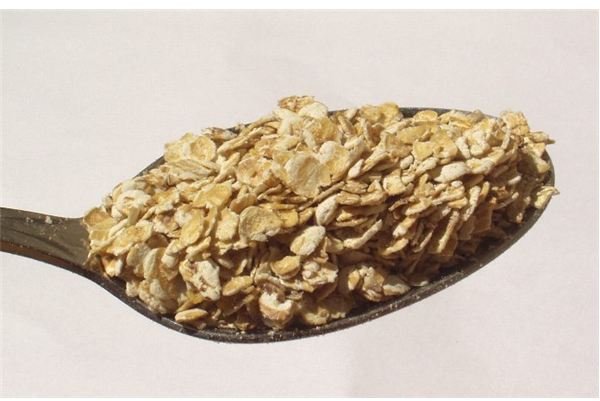
Above: Rolled oats. (Supplied by Hawkwang at Wikimedia Commons; Public Domain; https://upload.wikimedia.org/wikipedia/en/9/97/Rolled_oats.jpg)
Main Reasons to Invest in Grains
-
Since 2003, demand for grains has risen, while supply has had a challenge meeting this demand. In addition, inventory levels are low. This means that any shock to the market will cause the price to rise.
-
With the consumption of beef and chicken rising in China by 20 percent per year, more pressure is being placed on the grain market to support livestock growth.
-
Grains and population growth are directly linked. As China and India continue to industrialize, production of wheat is falling. This means that the market is becoming stressed in both demand and supply.
-
The most efficient way for China and India to conserve the scarce water supplies in each country is to import grains. Since it takes nearly one thousand tons of water to produce a single ton of grain, this accents the phenomena.
-
The increased demand for biofuel also guarantee the market’s price to increase. As a number of industries move to different sources for fuel, grains must pick up the slack.
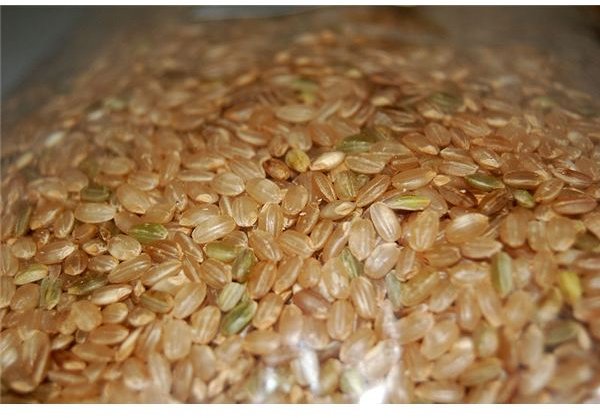
Above: Brown Rice. (Supplied by Dan McKay at Wikimedia Commons; Public Domain; https://upload.wikimedia.org/wikipedia/commons/0/09/Brownrice.jpg)
How to Invest in Grains
There are two distinct ways to invest in grains: grain company stocks and grain futures. Investors can purchase stocks for the companies who produce grains for farmers and other users. One major example of this is Monsanto (MON). It is the world leader in supplying genetically modified products to the agricultural market. The other option is the futures market, which invests in the price of grains themselves. It enables an investor to buy into companies which purchase futures derivatives of the grains produced by farms themselves. This market is highly speculative, however, and should be done with great care. Investing in grains can result in both high profits and low gains.
References
“Why the World Needs Grains” MoneyWeek (https://www.moneyweek.com/investments/commodities/why-the-world-needs-grain.aspx)
“Investing in Grains” Daily Reckoning (https://dailyreckoning.com/investing-in-grain/)
