Pointers on How to Buy a Condo Through an FHA Loan
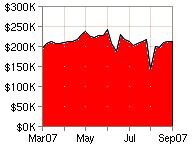
The Affordability of Foreclosed Condominium Units
Get pointers on how to buy a condo unit via FHA loan since that would be the best opportunity to realize your dream of living out a life in a posh and prime real estate location. Many have taken advantage of the slump in market prices, because the real estate market became flooded with foreclosed units. Some of them were even sold on short-sale condition. A short-sale takes place if the owner is forced to sell the unit for an amount lower than the mortgage value just to avoid foreclosure.
Condominium units or condos became popular as residential choices among single men and women despite the high-end financing, although not everyone could afford to buy this high-rise apartment unit before.
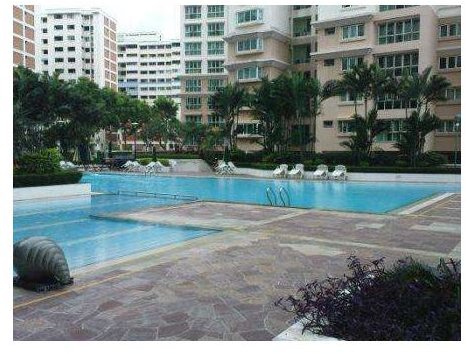
Single or unmarried residents account for 47 percent of condominium occupants due to security features, in-house maintenance crews, gated parking areas and the proximity of the building to their work places. Other conveniences include accessibility of a grocery store, a car wash facility, a dry cleaner and the presence of spas, gyms and beauty parlors within the building.
However, there are certain requirements about condo buying through FHA loans, which you should carefully consider in order to get the best deals.
Image Credit: Prokopenya Viktor for Wikimedia Commons
:
Pointers on How to Buy a Condo Unit Through FHA Loans
1. Make sure the condominium unit you intend to buy was constructed under the approval of FHA or Department of Veterans Affairs; or eligible under the guidelines of the Federal National Mortgage Association (Fannie Mae). This way, you can apply for a pre-approved loan with the FHA accredited lenders.
HUD (Department of Housing and Urban Development) allows mortgages to be used for individual units as long as they meet the requirements mentioned above.
2. Hire a real estate agent experienced in handling properties sold on short-sale condition. Not all real estate agents know the ins and outs of buying properties sold on short sale. This is very important in as much as your mortgage loan will require well-executed documents in order to be approved.
3. Condominium units under short sale conditions will not be included in real estate listings, unless it has the approval of the seller’s lender. However, it would be best to do your own research. Find out if the seller’s lender has formally agreed to the short selling of the property you are purchasing. The seller of the condominium should have a written document to support his or her lender’s approval. This may come in the form of a written communication between them.
4. Ascertain that there is no existing second mortgage on the property, otherwise, it would be best not to consider buying the condo unit as it may be encumbered by another loan. Remember, the property is being sold at a price lower than the amount of the primary loan; hence, it will leave the secondary mortgage with nothing at all.
5. Find out how much the seller of the condominium actually owes the lender so you can determine how much to offer for the property.
6. Hire a building inspector to assess the over-all safety of the building.
7. Employ the services of a professional contractor to give an estimate of the repair or rehabilitation costs the unit may require. Under the FHA rules, repairs will cover only the interior of a condominium unit.
8. Apply for a pre-approved loan with an FHA-approved 203(k) lender, as soon as you have a good estimate of how much will be spent in rehabilitating the property. You will have to submit a detailed proposal containing the extent of work to be done. It will include a detailed estimate of every repair or improvement needed on the condo unit to be purchased.The loan amount you will apply for will cover the cost of the condo unit plus the cost of repairs.
9. You will have to ask assistance from your real estate agent involving some requirements of the FHA lender regarding sales contracts required in seeking a 203(k) loan. Immediate submission of the usual documents required for loan processing will expedite the pre-approval of your loan.
10. If everything goes well, and you are able to secure a pre-approved loan, make a written offer to the lender of the condominium unit you are buying. The lender will likely approve your offer if you present the following documents:
• A bank deposit to represent “earnest money”, which signifies your serious intention to buy the condominium unit.
• A copy of the pre-approval letter issued by the lender indicating therein your pre-approved loan is ready and the time frame within which you can avail it.
• A comparable list of sales involving condominium units within the area to justify your offer for the condominium unit is reasonable. This should be prepared and certified by your real estate agent.
11. All things considered and the sale of the condominium goes through, the FHA lender will release part of the loan to pay-off the seller’s lender to settle the seller’s mortgage loan. The remaining amount of the loan, which represents the money to be used for repairs, will be placed under escrow. The escrowed amount will be released only through withdrawal requests made by the contractor, and should be supported by reports showing percentage of completion.
However, bear in mind that there are rules and regulations to observe in the condominium building you’ll be occupying. In fact, the benefits of condominium living.depend on the type of person/s who intend to take abode in a condominium building. Aside from the above pointers on how to buy a condo, readers can get additional insights about condo living from a separate article entitled:House vs Condo: Considerations for the Better Investment.
Image Credit: Kingraul30 for Wikimedia Commons
Reference:
Rehab a Home w/HUD’s 203(k) at HUD.Gov. U.S. Department of Housing and Urban Development lifted from https://portal.hud.gov/hudportal/HUD?src=/program_offices/housing/sfh/203k/203kabou
