
Explaining why honey bees are so important to the environment and to people, types of bees and their jobs in the beehive, how bees produce honey, Colony Collapse Disorder (CCD) and why it’s a threat, and how human beings can make the world a better place for honey bees.
The honey bee is truly nature’s most industrial little creature. Honey bees have had a relationship with man since the early cavemen days—when beehives were raided for their honey and wax. Since well before honey bees were kept by farmers and honey production became an agricultural industry, man has understood what an important impact our buzzing friends have on the environment, how essential honey bees are to the livelihood of most flowering plants and crops, and just how “sweet” honey bees make life in general.
Unfortunately, with the recent threat of Colony Collapse Disorder (CCD,) nature’s hardest working insects are buzzing closer and closer extinction. They need our help to overcome this devastating and mysterious illness.
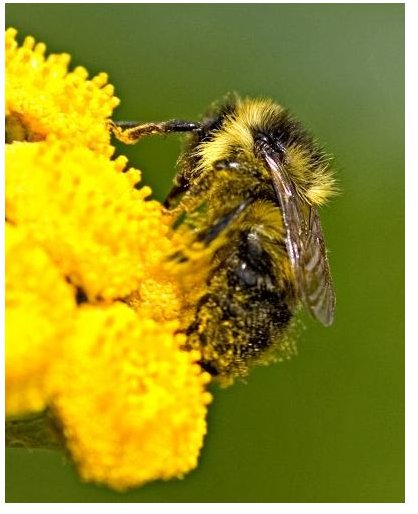
Fuzzy Bee
Understanding Honey Bees
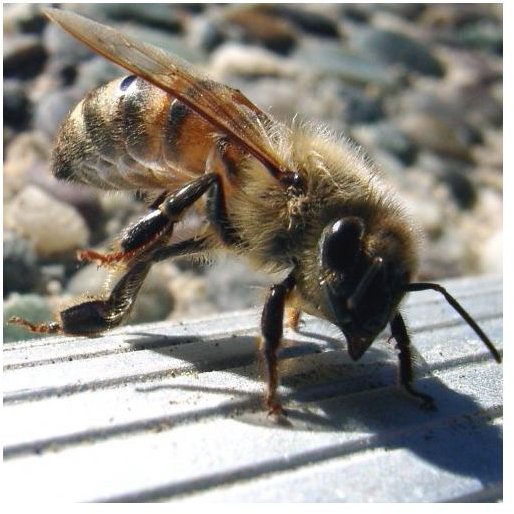
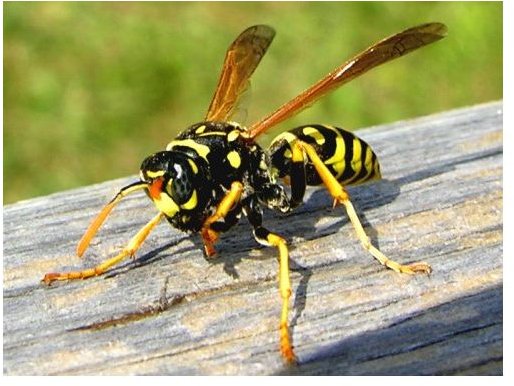
People fear what they don’t understand… and honey bees are so often misunderstood. Many people are allergic to their sting, or mistake them for wasps, and are quick to swat them or hose them down with insecticide before thinking twice. Honey bees are very different from wasps- they’re much less aggressive, they have two wings while wasps have four, they have a wider abdomen, and they usually appear fuzzy while wasps appear smooth and shiny. Generally, honey bees are harmless until provoked- they prefer to go about their pollinating and honey producing business without interruption. If you find you’re being approached by a honey bee, take it as a compliment! You smell good, or you’re as pretty as a flower, and all things considered, you can’t blame the bee for finding you attractive. Give her a moment to inspect, she’ll discover soon enough that you don’t require pollinating and buzz off. After all, she’s a very busy worker bee.
And yes, if you meet a bee outside the hive, she’s most likely a female. In any bee colony, there are only three types of bees : the drone, the worker bee, and the queen.
Honey Bee vs. Wasp
Types of Bees
The Drone
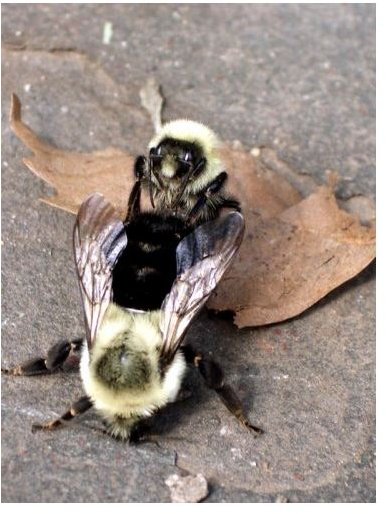
All male honey bees are called drones and they live for one reason only—to mate with the queen. Once they mate, they die. If they never have the opportunity to mate, or should they escape the queen with their lives, they are expelled from the hive come autumn to die in the cold- as they are of no more use to the colony. Drones are not equipped with stingers because they have no use for them. They’re never called to gather pollen or defend the hive from intruders. Drones only make up about 1/4th of the colony’s population.
The Worker Bee
Worker bees are infertile females that manage all the activities of the colony. Young worker bees tend to the construction of the beehive, the care and feeding of the larvae, the housekeeping, and the honey production of the comb, while mature worker bees are initiated as foragers and spend the remainder of their brief lives gathering and delivering pollen. In the winter time, the colony is less active, and workers born during this time of year may live to see their first birthday. Most worker bees rarely live past nine months, and in the summer time may die after a brief 4 months—literally working themselves to death. All females are equipped with barbed stingers that rip from the abdomen should they ever be put to use—causing the honey bee to die instantly. Should the hive come under attack, worker bees produce a pheromone that stimulates aggression. The release of a stinger can alert all bees in the surrounding area to the threat of danger. Honey bees do most of their communication through smell and pheromones. For this reason, aggravating a honey bee instead of leaving it to its business is never a good idea.
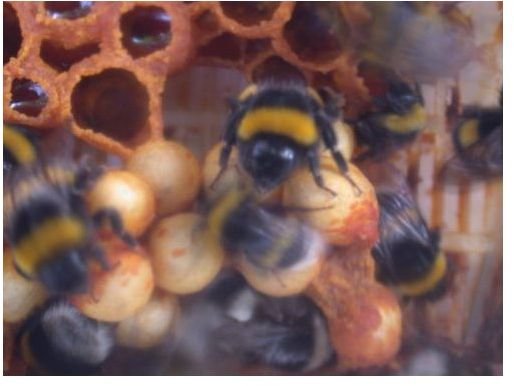
When pollen is fetched for the hive, domestic worker bees convert it to honey by mixing it with their saliva. The honey feeds all the bees in the colony including the larvae. Special glands in the abdomen of every worker convert the sugar in the honey to wax that oozes from the pores and gets molded into individual cells that make up the honeycomb. These cells house the larvae and store honey for future use. The constant activity of the hive keeps it at a comfortable temperature and prevents the wax from completely solidifying.
The Queen Bee
There can only be one queen—and she’s the most valuable member of the colony. Queenless, an entire colony will die. The queen may live up to five years and is responsible for all the reproduction in the hive. When it’s time to crown a queen, the worker bees choose a female larva to feed exclusively on royal jelly. Royal jelly is honey, combined with a magical chemical secreted from the head of a nursing bee. This chemical creates a paste packed with nutrients that transforms any ordinary bee into a super-bee. The queen will grow to be one and a half times larger than any of her sisters, extremely fertile, and able to lay up to 2000 eggs per day with fully developed ovaries. The queen gives orders by producing a chemical that guides the behavior of the other bees. She’ll spend her days mating and laying eggs.
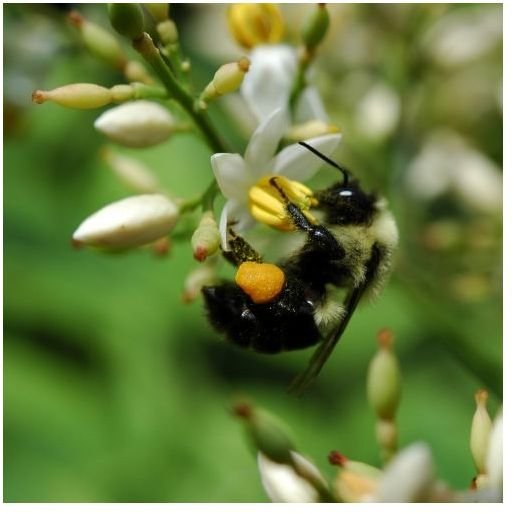
Drone Mating Queen l Worker Bees at Work l Collecting Pollen
Swarming
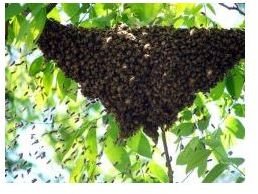
When a hive becomes overpopulated, it’s time to swarm. A group of worker bees will create a new queen, gorge themselves on honey, and prepare for a long and difficult journey to find the perfect location for their new home. Scout bees will buzz away from the swarm to investigate potential nesting sites while the bulk of the swarm will drift clumsy and exhausted from tree branch to tree branch taking every opportunity to rest.
Should you happen upon a swarm of honey bees clinging to a wall or tree branch, you needn’t bother to run for your life. A swarm may attack if vigorously provoked, but without a hive to defend and after filling up on enough honey to sustain them for the long trek, they’re much too fat and tired to expend that kind of energy. Beekeepers live to stumble upon a swarm of honey bees at rest. They’re easy enough to shake off the tree branch or sweep off the wall into a box so they may be transported to a man-made apiary and harvested for their honey.
Honey Bee Swarm
Colony Collapse Disorder (CCD)
Biologists haven’t made much progress on the cause and spread of Colony Collapse Disorder (CCD.) This strange disorder seems to be sweeping the country. Entire colonies of worker bees will mysteriously disappear, presumably dying off, leaving the hive to fail without them.
Most biologists believe human behavior is the underlying cause of Colony Collapse Disorder. CCD may be a result of urbanization, the removal of wildflowers, lack of variety in plant species, use of pesticides, and a decrease in honey consumption in the United States- driving some commercial beekeepers out of business.
Ways to Help Save the Honey Bees
Without knowing the actual cause of Colony Collapse Disorder, it’s difficult to come up with a solution—but there are some simple things people can do to help save the honey bees and increase their population.
Plant a Garden: With whatever space you’ve got, grow a variety of flowering plants and trees. Keep a portion of your garden wild- allow native plants and flowers to thrive. Honey bees go where there is an abundance of pollen.
Spread the Wealth: Buy packets of native wildflower seeds from your local gardening center and scatter them in areas devoid of flowers. Be careful not to scatter them on private property or in kept public parks and gardens.
Live Bee Removal: Before you bust out the insecticide to rid yourself of a beehive a little too close to home (or even in the walls of your home,) contact your local beekeeper or honey farm. In many cases, the beehive and all the honey bees may be uprooted and relocated someplace safe. There’s no sense in destroying a thriving beehive. Many beekeepers are on the lookout for a fresh new colony to add to their population and would be happy to aid you with your bee removal needs.
Enjoy the Health Benefits: Honey is a miracle elixir that boosts the immune system, may replace sugar as a sweetener, aids weight loss and digestion, and contains antioxidants as well as a number of vitamins and minerals. Beeswax candles have the highest melting point—giving you hours of smokeless candlelight, and they smell great too. Royal jelly is rich in B vitamins and may be used to treat a variety of symptoms including: arthritis, depression, diabetes, high blood pressure, infertility, bladder infections, inflammation, and skin blemishes (to name a few.) Honey makes an excellent snack for those with a sweet tooth and issues with high blood pressure, diabetes, or cholesterol. The health benefits of honey go on and on. Make honey a regular part of your healthy diet and support your local honey farms!
Spread the Word: Probably the easiest, most affordable and most beneficial way you can fight Colony Collapse Disorder is by talking to people about it. Let all your friends and family know about the danger of CCD and how they can help save the honey bee from the endangered species list!
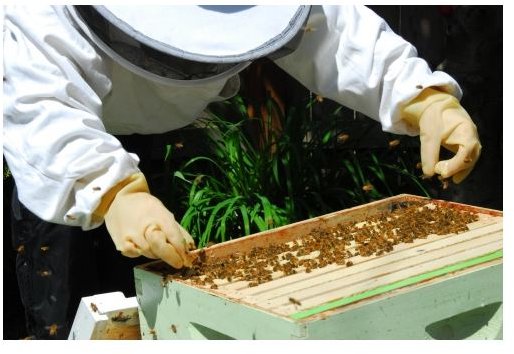
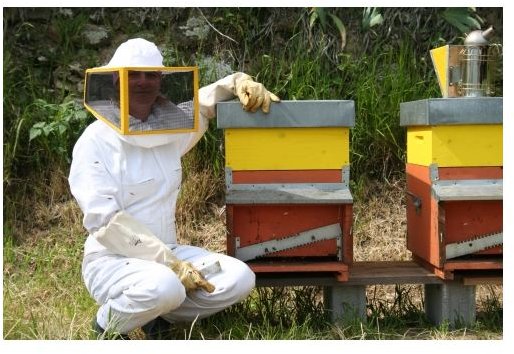
Beekeeper at Work
Kingdom: Animalia
Phylum: Arthropoda
Class: Insecta
Order: Hymenoptera
Family: Apidae
Genus: Apis
Most Common Species: Florea (Dwarf Honeybee) native to Asia; Cerana (Eastern Honeybee) native to Asia, Korea, and Japan; Dorsata (Giant Honeybee) native to southeast Asia; Mellifera (Western Honeybee) native to Europe and Africa
References
https://animals.nationalgeographic.com/animals/bugs/honeybee.html
https://www.backyardbeekeepers.com/facts.html