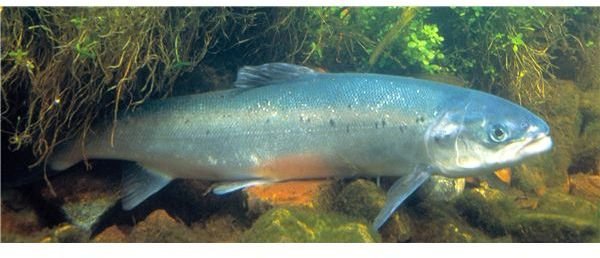
The salmon is one of the most well-known and frequently eaten fishes around the world. But the species is a surprising indicator of the many problems facing our environment.
Salmon Life Cycle
In the world of fish cuisine, the salmon is the jack-of-all-trades. It can be smoked, grilled, broiled, and steamed. You can serve it solo, on a bagel, with a cream sauce, or on a salad. Its roe is a popular dish in Japan. But, besides its culinary delights, the salmon offers much insight into the role of fish farming in America and the environmental pressures facing aquatic animals.
Salmon, as animals, are perhaps most well-known for their migrations. During the “salmon runs”, the fish, which become sexually mature in the ocean, swim upstream to spawn. For sport fisherman, the salmon runs are an aquatic gold seam.
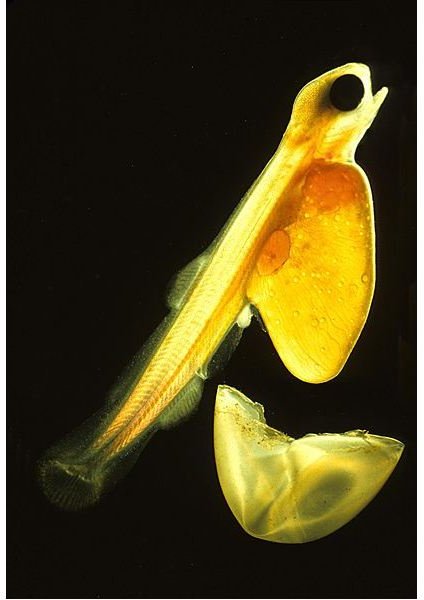
But the salmon run is also the cornerstone of the salmon life cycle. Salmon are born in freshwater streams and gradually develop the ability to live in salt water. They migrate to brackish water and finally to the ocean, where they become sexually mature. Finally ,they participate in the strenuous salmon runs, returning to the upstream breeding grounds. After spawning, they die.
Salmon Farms
However, the salmon on your dinner menu might have taken a different route. Depending on where you get it, your salmon might be farm-raised. Salmon farms employ one of two methods. The most common method feeds the salmon fish meal from birth to harvest. This method is used mostly by private companies, as it maximizes profits. The other method feeds the salmon until maturity, when they are released into local rivers to artificially increase the wild salmon populations. This method is primarily used by public environmental groups because any fisherman can catch the freed salmon, thus reducing potential profits.
But there is a major problem with salmon farming: disease. Salmon parasites, especially sea lice, can escape from hatcheries and infect local waterways. This raises a good question: does the economic worth of fisheries justify the decrease in salmon populations?
Images
Environmental Issues Facing Salmon
Right now, there is no clear answer. The issue is that farming is near the top of a long list of environmental pressures facing salmon. These pressures include a few that are related directly to human activity: destabilization of stream banks from to irrigation systems, overfishing, and reduction in river flows due to dams and other equipment. In addition, the extensive fur trade during the 19th century dramatically reduced beaver populations. Beaver ponds, traditionally, provided important habitats for spawning salmon. With the lower beaver populations, the salmon are struggling to survive.
Both the farming and environmental issues show how the problems facing the salmon are indicative of the questions we should be asking about our relationship with the earth. How can we balance our needs for food and money with the needs of key species? Will our efforts to maximize production backfire? With the salmon for example, the diseases in farms have significantly lowered wild salmon populations, which have caused fish prices to go up. And, finally, we know that many species will become extinct over the next century. Is the salmon one of those “expendable species”?
My answer is no. The salmon is a staple food source in the US, Chile, and Scandinavia. It’s a key part of the sport fishing culture in the US, and it’s important to the traditional Native American tribes in the Pacific Northwest. So is the salmon an essential animal? Next time you bite into a delicious bagel with lox, think about that.
Sources
https://www.blm.gov/education/00 _resources/articles/Columbia_river_basin/posterback.html
https://www.adfg.state.ak.us/pubs/notebook/fish/sockeye.php
https://www.house.gov/mcdermott/issues _salmon.shtml