Inorganic and Organic Fertilizer: Differences in Composition, Mechanisms and More

The Importance of Fertilizers
In augmenting the soil with fertilizers, our objective is to provide the plants with additional nutrients for growth and development. Plants treated with fertilizers bloom profusely and reach, if not exceed their maximum growth. Foliages grow thick and abundant which give our garden the appearance of being verdantly full. Even our trees will provide arbors that can spread out extensively and provide shade and protection to the smaller plants as well as to the home dwellers. In agriculture, fertilizers are important because they can provide farm produce in abundance and in rapid turnovers that in turn maximize profits. However, our choice of fertilizers between inorganic or organic will influence whether these conditions will be sustainable.
However, some of those who are into gardening still go through the trial and error process of providing plant nutrients. In fact, some have even stopped using fertilizers altogether because their plants will experience full bloom in one season then become stunted in the next. Others feel that organic fertilizers take longer before they show any signs of effect or improvement. Some gardeners merely pick or choose a fertilizer at random, read the manufacturer’s marketing endorsement then apply the solution to their plants. Such confusions can only arise from lack of understanding regarding the difference between inorganic and organic fertilizers.
Understanding The Differences:
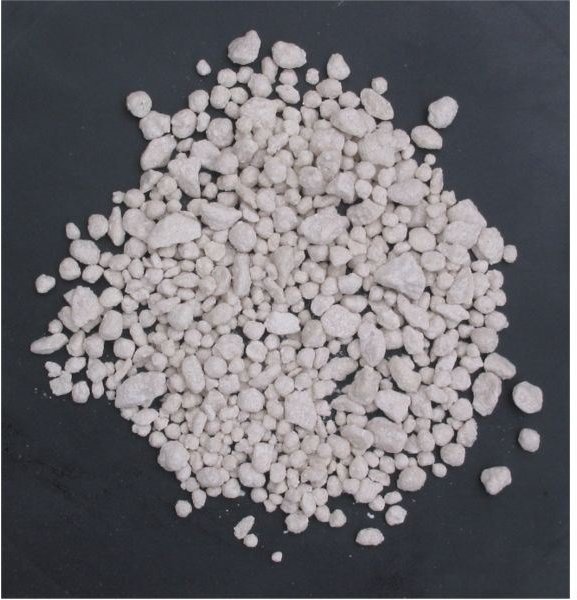
Composition- Inorganic fertilizers are chemically based synthetic nutrients which simulate those found in the soil, mainly the nitrogen, phosphorous and potassium elements that are non-biodegradable. Organic fertilizers are made from naturally decaying materials like green manure, decomposing matters, municipal solid wastes and crop residues and are of course highly biodegradable.
Immediate Effect versus Delayed Effect- Applications to the soil of inorganic fertilizers are directly absorbed by the plant to immediately increase the required nutrient supplement. Organic fertilizers, on the other hand, are applied to the soil as food for the microbes. The latter will consume the decaying organic matter and will produce a sticky white substance as waste. These wastes are now the carriers of the nitrogen, phosphorous, potassium and other nutrients, which will combine with the soil to provide the supplements needed by the plants. Only then will the plant be able to gain from the benefits of organic fertilizers.
Completeness of Nutrient Contents- Chemical fertilizers contain mostly nitrogen, phosphorous and potassium plus some filler and other chemical contents not needed by the plant. Natural fertilizers, on the other hand, contain naturally decaying materials like fish meals, blood and bone meals that contain calcium and magnesium that are also required by plants.
Cost Efficiency- Chemically formulated nutrients in inorganic fertilizers turn out to be much cheaper since a small amount contains great concentrations. Compost and other wastes that comprise organic fertilizers take time to process, store and transport and are applied as layers in order to fully cover the cultivated soil. Thus, greater quantities are consumed in order to achieve the effective results, which denote that related costs could be higher.
Effects on the Soil- Inorganic fertilizers tend to cause nitrogen leaching at groundwater levels, especially during heavy rains. The chemically-laced soil will either be carried along with the water run-offs or will be channeled deeper into the ground. In addition, the chemicals add acidity to the soil which can drive away the microbes and earthworms. Organic matters in natural fertilizers promote and strengthen microbial communities. The activities of the microbe will loosen the soil and will result to aeration as oxygen can easily pass through the gaps created by the microbes. These are the factors that heighten the suitability of the soil for cultivation purposes.
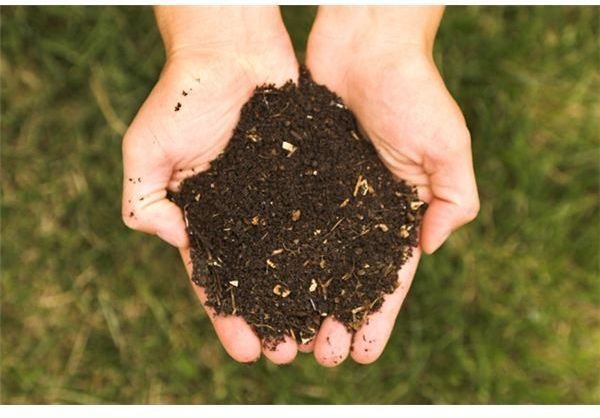
Effects on Plants- Since the nutrients provided by inorganic fertilizers are limited, plant growth eventually becomes stunted and most of the plants and crops produced are undersized. The soil is also inhibited from producing its own nutrients in as much as microbes migrate elsewhere once they are affected by high acidity. Organic fertilizers, on the other hand, tend to build up a stronger microbial community, which encourages the presence of microbes that feed on disease causing fungi that attack the roots of the plants. Plants eventually flourish, free from diseases and with a continuous supply of complete nutrients. In addition to these benefits, the sticky white substance produced by microbes protects and encourages the roots to grow several feet below groundwater reservoir to allow more water and nutrient intakes.
Long-term Effects on Both Soil and Plants- Long-term applications of chemical fertilizers result to soil depletion and barrenness. Plants become unhealthy and will be susceptible to diseases. Long-term applications of organic fertilizer promote sustainability and biodiversity since the plants will flourish and encourage the presence of other living organism and dwellers.
Summarizing the Differences:
A recap of these differences will provide home-gardeners with a guide for fertilizer choices. Organic fertilizers may take time before they can achieve their positive influences on the soil but the promised-benefits are guaranteed as all natural and can be expected to last for a long term. This stands opposed to the chemical fertilizers that are capable of producing fast and bountiful results yet these are short-term benefits which give rise to threats of soil disturbances and degradation. In today’s current state of affairs, sustainability is touted as the key for long-term survival, which only natural fertilizers can bring about in home gardening and agriculture as a whole.
Reference Materials and Image Credit Section:
References:
- Organic Fertilizer — https://www.agriculturalproductsindia.com/fertilizers/fertilizers-organic-fertilizer.html
- Which Fertilizer Is More Effective Organic Or Inorganic – https://www.basic-info-4-organic-fertilizers.com/moreeffectiveorganicorinorganic.html
- Fertilizers - Organic vs. Inorganic –https://www.bostongardens.com/bostongardens/detail.cfm?id=1186&catid=14&webid=1
Image Credits:
- By Tom Pennington / Wikimedia Commons
- By Rasbak / Wikimedia Commons
- By Panphage / Wikimedia Commons
