Build a Compost Pile: What to Do & What Not To Do
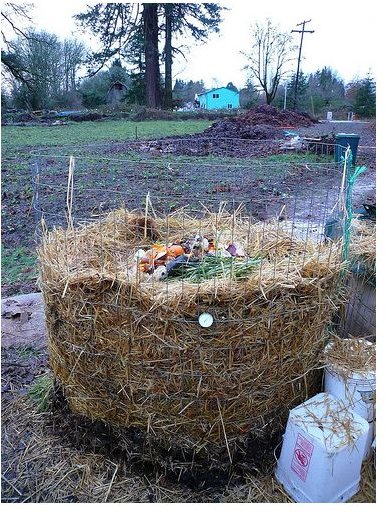
Composting 101
Composting is an organic process in which vegetative materials break down into nutrient rich fertilizer for gardens and house plants. Humus is the material in compost that feeds your vegetation. Learning how to compost is simple and rewarding. Composting is natural recycling and can continue for as long as there are natural and safe wastes. Composting saves precious space in the world’s landfills. When the proper materials are used, compost is the richest way to fertilize plants and gardens. Composting is a growing trend in the green revolution that has erupted in the face of environmental crisis. According to VegWeb’s Composting Guide, typical materials appropriate for compost include lawn, hedge and tree clippings (greens), most kitchen wastes, straw, and safe wood chips and sawdust (browns). The best way to ensure an organic and safe source of compost is to start your own compost pile.
Some materials are hazardous and should never go in a compost pile. A compost pile should be free of chemicals and noxious weeds. Knowing what not to do when you build a compost pile will keep your soil, garden and dinner table free from diseases and toxins. Remember, if is not safe in its original state, it probably is not safe for compost.
What Not to Do
For all that can be composted, there are some materials that ought never be added to a compost pile. According to the Cambria County Solid Waste Authority, if refuse can “attract pests, disease, promote odors, or are simply not combustible,” do not compost it (See Resources, Composting). Materials to avoid include construction building materials, human and pet wastes, animal products, and certain weeds and plants.
These are the hazards of composting certain materials. Never add these waste products to your compost pile. They can introduce heavy metals, dangerous chemicals, weed pests, and disease to your otherwise lovely-looking finished compost.
- Sawdust from construction sites can be treated with chemicals containing arsenic, chromium and copper. These chemicals are dangerously toxic. If you do not know where the sawdust came from, avoid it.
- Human waste has the potential to make people extremely ill. The compost will leech into the soil, roots of plants and find its way to your table. VegWeb recommends not using human waste if you are not a compost expert.
- Never add pet wastes to compost. Pet manure can carry diseases infectious to human beings.
- Meat, bones and fat are attractions for pests.
- While compost needs to have vegetative origins, weeds, ivy and certain grasses will re-sprout in the compost heap (See Resources, What Not to Compost).
Safe Items to Compost
When you build a compost pile, be sure to select safe materials to put in it. Kitchen scraps and yard waste are both excellent choices, given they don’t involve the “don’ts” listed above. Good compost items include grass clippings, straw, hay, or leaves. Compostable food waste includes coffee grounds, egg shells, all of your peelings, used tea bags, and more. Newspapers and torn-up cardboard can even be added to the mix in small amounts. Just follow these guidelines for what to do and what not to do when adding to your compost pile and you’ll do fine.
Resources
Composting: Materials to Avoid
Image credit: https://www.flickr.com/photos/nancybeetoo/3194748176
