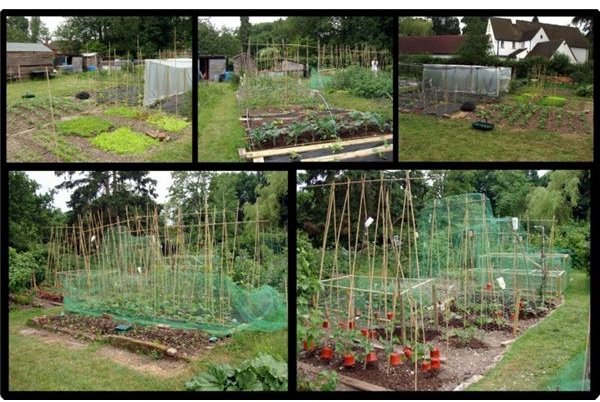
Many are quite interested in growing their own organic garden produce but tend to overlook that organic gardening is all about using one’s hand & getting them dirty. It would be best if the newbie gardener has a home vegetable garden plan to follow in order to stay organic & effective. Check it out.
Planning for an Organic Vegetable Garden
If we want to go organic with our vegetables to make sure that nothing harmful was sprayed on it, we can always resort to growing our own garden produce. However, we shouldn’t forget that home gardening is about getting our hands dirty and it would be best if we had a home vegetable garden plan to follow. This way our gardening tasks would be more organized and with plenty of potentials to produce good results.
Plan on using things that could be lying around the house waiting to be picked-up and re-purposed. Know how to come up with a good garden soil if you don’t have any. Bear in mind that sustainability is the key to organic gardening and it’s all about doing your garden chores in the most cost efficient and eco-friendly ways possible. .
Consider scavenging methods instead of buying the seeds to plant, the tools to use and anything else needed in coming up with a home vegetable garden plan. Take stock of our suggestions as we provide information on how to scavenge and innovate a no-cost home garden project:
Plan on Where to Plant
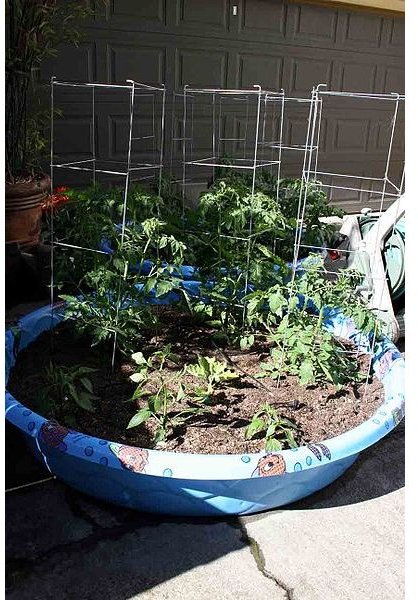
(1) Look for gardening spaces with the most potential, whether you have a yard or not —just make sure you pick a spot for your vegetable garden where there is enough sunlight.
(2) If you don’t have enough soil, do some guerilla gardening by getting soil from old abandoned lots in your neighborhood. You may not be able to get the perfect garden soil but you can always check out the soil if:
- The soil consistency is deep and loose;
- Well-drained of water both in and out; it’s not supposed to be clay-like;
- The plot or area is free of weeds or plants with obvious diseases;
(3) If you can’t find anything ideal, increase the soil’s quality by adding organic matter like manure, sawdust, peat moss, composted leaves and barks. Clay and sandy soil can be converted into loam by adding these organic matters.
(4) Use polystyrene foam or Styrofoam boxes, as your vegetable garden beds. You can find some for disposal at grocery stores while some retailers discard them by selling them at a few cents. Don’t forget to cut holes for drainage and add some crocks. Crocks are little pieces of terracotta or ceramics which will act as a form of bridge or waterway so water can easily drain out of the hole.
(5) You can also use some old dish pans for smaller plants.
(6) The half-gallon and full gallon milk jugs can be transformed into many uses. Cut off three inches of the bottom part and punch holes in them. You’ll have a shallow container for potting new seeds.
(7) Keep egg carton boxes and punch holes for each egg carton cell. You can use it as a vessel for starting one or two seeds in a cell. Be sure to wash them very well before using to avoid contamination.
Plan on How and Where to Get Free Seeds for Your Garden
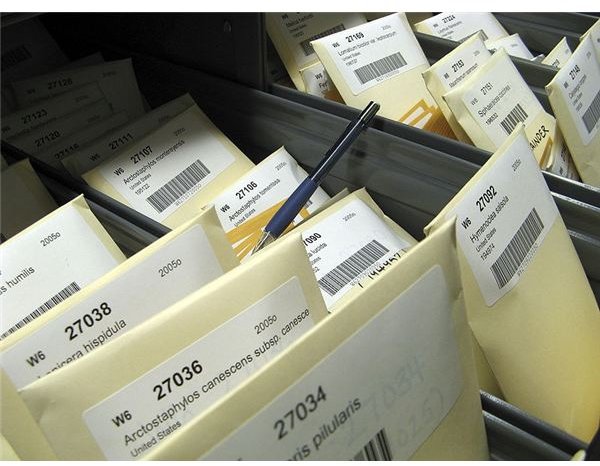
(1) Start saving and drying out the seeds from the vegetable and fruit produce you are currently buying. .
(2) Look for free seeds in a community seed swap in your area. If there isn’t any, you could probably start one with your friends, relatives and co-workers.
-
(3) There are also seed libraries that get most of their supply from some seed companies that donate them. You can also swap seeds with them.
-
(4) Checkout the net for some information about plant propagation and learn the cost efficient ways on how you can get new plants by cutting and dividing.
Advertisement
(5) If you’re also interested in planting some shrubs and trees, be on the lookout for on-going construction projects. They may be interested in removing some existing shrubs or trees, thus, express your willingness to remove them. In all probability, the owners will be more than willing because it will lessen the burden of providing transport for their disposal.
Make Plans on Maintaining a Sustainable & No-Cost Organic Garden
1. Make mulch from any recyclable materials like straw, nut shells, wood chips, leaves, vegetable peels, seaweed, grass clippings, newspaper, and old carpet. Mulch can help the soil keep in moisture and stop weeds from settling in.
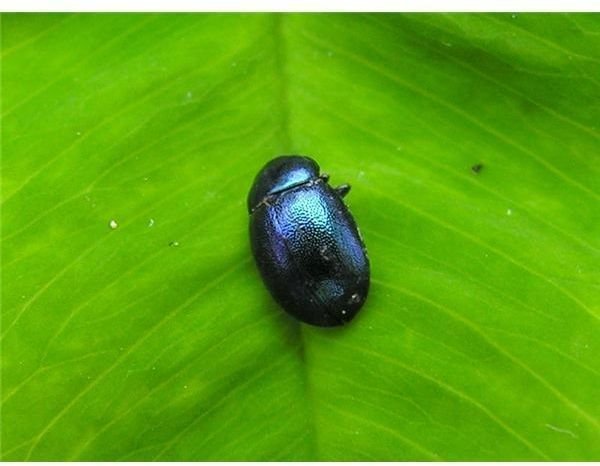
2. For pesticides, use the Integrated Pest Management (IPM) techniques, you can do some research about it in the net. It will give you some tips on how you can tolerate some insects and animals like spiders and birds that are always on the lookout for an easy catch.
3. Plant mint, lavender and oregano which act as insect repellants because of the oil they secrete.
4. You can also plant flowers that can attract the birds and bees who would feast on some harmful insects. Bees also help in the pollination of food crops. Consider sunflowers, zinnias, marigold and black-eyed Susans since they seem to posses the most attractive features for the garden-friendly creatures.
5. For fertilizers, use chicken manure you can get from some poultry, but be careful not to over fertilize. An estimated 1000 square feet of garden should receive only about 200 pounds of chicken. You can also use animal manure but they have less nutrient contents, so you can increase the ratio at 300 pounds for every 1,000 square feet.
6. Catch and store rain water as your ready supply of vegetable garden water. Be sure to cover all your water containers, preferably with a screen mesh to avoid becoming a breeding ground for mosquitoes.
7. It would also be best if you could find someone to test the quality of your water and measure the ph level. This way, you can apply the necessary remedies to maintain the right ph balance.
Re-purpose Old Tools and Discards for Your Home Vegetable Garden
-
Scavenge for your tools in your own house or from the neighbor’s trash.
-
Plastic juice bottles with perforated lids can be put into good use as sprinklers.
-
Full-sized hoe with a broken handle can still find use as a short-handled hoe; you’ll be surprised at the trash people are throwing to give way for new procurements. They can be anything from moldy scissors and trowels which you can disinfect and clean with borax.
-
Convert a half-gallon milk jug into a scoop you can use for fertilizers. Cut the both sides diagonally, then cut the sides adjacent to the handles, horizontally.
-
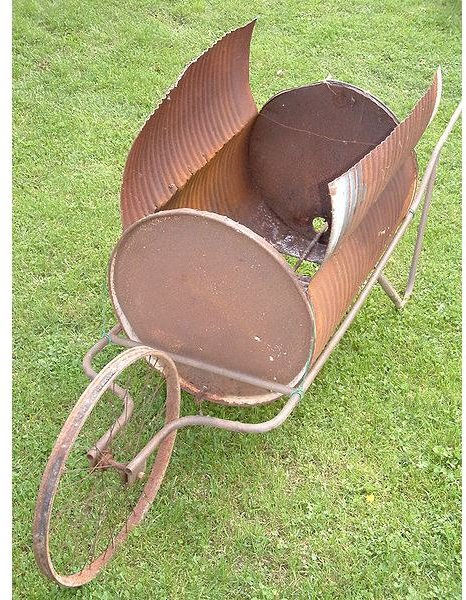
Use an old vinyl tablecloth to transport mulch, shrubs, plant divisions, topsoil, dirt, which can take the place of a wheel barrow.
-
Convert yogurt containers into cutworm collars by cutting the bottom part and sinking an inch or two into the ground.
-
Collect old discarded chopsticks which you can still wash and use. You may want to cover your plants with a plastic bag to create a “greenhouse “effect, by using the discarded chopstick to support the plastic bags.
-
Wash well then use punched-out aluminum soft drink cans as drainage system for your large potting soil.
There are more discards to discover and more information you can get on how to grow your garden crops organically and by sustainable ways. Once you are done gathering your soil, seeds and tools, map out another home vegetable garden plan, but this time focus on your garden layout to make sure your no-cost organic vegetable garden will grow.
All Images courtesy of Wikimedia Commons