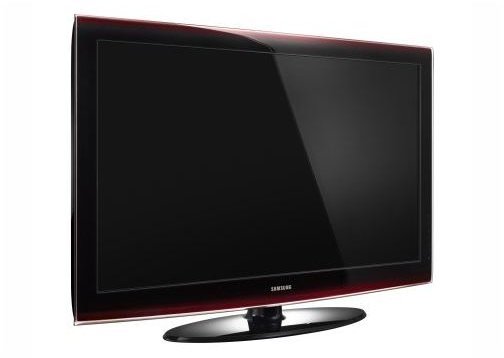
Most HDTV buyers want an HDTV which fits the iconic image of a thin, flat panel. This means buying either an LCD or a plasma HDTV. But choosing between the two technologies can be difficult thanks to myths and misconceptions about both types of HDTV.
The Endless Debate
The debate between supporters of LCD and plasma HDTVs has been ongoing for as long as HDTVs have been in production. The market has certainly supported the LCD camp more heavily, as the majority of new HDTVs sold are LCD models. That said, companies like Panasonic, Samsung, and Pioneer have firmly supported plasma technology, ensuring that the debate does not die. The merits of these two technologies are something that every HDTV buyer will have to ponder at one point or another. Neither technology is universally better than the other, but they do have distinct differences.
LCD: A Bright Idea
LCDs (short for Liquid Crystal Display) are likely one of the most visible consumer products in the world. LCDs of some form can be found in calculators, cell phones, computer monitors, microwaves, various car audio and navigation systems, and many other consumer products. The popularity of the LCD can be attributed to the technologies many advantages. It allows for displays to be thin and energy efficient. LCDs are also capable of displaying an extremely high resolution in a very small space. These attributes make the LCD well suited for use as an HDTV display.
HDTVs that use LCD technology tend to have very sharp, clear pictures. Color accuracy can vary widely based on the quality of the HDTV in question, but the best LCDs can produce colors which are rich and vibrant. LCD HDTVs tend to be far brighter than plasma sets, which makes LCDs more suitable in bright environments. This becomes doubly true if an LCD with a matte finish is purchased. LCDs also have some advantages that are not related to the quality of the picture. They tend to be lighter than plasmas, sometimes by a significant margin, which makes them easier to move around. LCDs are generally thinner as well, which makes them appear more stylish, particularly when wall-mounted.
While the bright display of an LCD tends to make it leap out at consumers when in a brightly-lit store, that same brightness leads to the largest disadvantage of LCDs - black levels. LCDs are back-lit, which means there is a large light or series of lights behind the screen which shine through the LCD to create the picture. As a result, dark scenes in movies can be difficult to make out. For example, a night-time scene might feature a character walking down a dark alley. On an LCD the character’s basic shape may only be visible, where as on a plasma it would likely be possible to see texture in the character’s clothing and other finer details. Also, some LCDs have uneven back-lighting, which can cause certain parts of an image to appear brighter. Finally, LCDs tend to cost a little more than plasma televisions.
Plasma: Shedding Myths
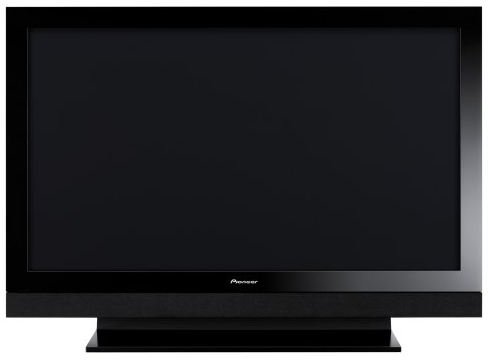
Unlike LCDs, most people had never heard of plasma screen displays before HDTV came to the public eye. Some of the first HDTVs were plasmas, but those early impressions were not the best. The first plasma televisions were expensive, fragile, and prone to burn-in, a phenomena where an image displayed for too long a time becomes permanently etched into the television. Plasma displays are also a fundamentally less understood technology. A plasma display consists of numerous tiny cells filled with a mixture of inherit gasses which, when charged with a bit of electricity, become excited and emit light. These cells make plasmas a bit heavier and thicker than LCD displays, and unsuitable for the common household usage that makes the LCD so familiar.
That said, modern plasma displays have a number of advantages over LCDs. The largest advantage is in black levels. As explained above, LCD displays have poor black levels which causes the detail in dark images to be lost. Plasma televisions do not suffer from this problem because there is no back-light. Each individual cell produces its own light when activated - and this means that each individual cell can be turned off completely, creating a deep level of black. Color production also tends to be above-par on plasma televisions, with even the basic models displaying a high degree of color accuracy. These features make plasmas the display of choice for most videophiles. And while plasmas were once expensive, they are now more affordable than LCDs. Pioneer and Samsung both sell 42" plasma televisions with an outstanding picture for under $1000 bucks.
Plasmas tend to be less practical than LCDs, however, in that they have glossier displays and are inherently less bright. This makes them more suitable in a dedicated home theater than a den or family room. They are also heavier and bulkier, which can be a problem in various situations. Screen burn-in is no longer a major issue, but plasmas are still unsuitable for anyone who might be displaying a static image for days at a time. Finally, plasma displays do tend to have lower resolutions than LCDs - for example, most 42" plasmas are 720p, while most 42" LCDs are 1080p.
The Choice: A Summary
The argument between LCDs and plasma displays can be summed up to a basic choice between practicality and image quality. Resolution aside, plasma displays tend to provide a better picture for the money. Even the least expensive plasma televisions can provide a darker picture than LCDs costing thousands more, and color accuracy also tends to be above par. Unfortunately their bulk, glossy screens, and generally dimmer picture makes them problematic in brighter rooms. This is where the LCD dominates. Many consumers do not own their own dedicated home theater room, and an LCD is often a better choice when looking to place an HDTV in the main living space of a home.
Other Options
While a plasma or LCD HDTV will be the best choice for 90% of consumers, there are a few other options that should be briefly mentioned.
Rear-projection HDTV is an old but reliable technology. These large, boxy HDTVs use a large light behind a smaller display inside the television to projection onto the display observed by the viewer. These displays tend to produce a sharp image with high color accuracy and decent black levels. The biggest advantage of rear-projection, however, is cost - it is possible to buy a 65" rear-projection television for under $1500 dollars. A plasma or LCD of that size would cost at least twice as much. On the downside, rear-projection televisions tend to have poor viewing angles and can suffer from a “rainbow effect” which causes some viewers to see a strange streak or streaks of color in the picture. Rear-projection televisions also use a powerful bulb which will occasionally need to be replaced.
A newer technology is the LED HDTV, which is for the most part the same as a LCD HDTV. A LED is back-lit like an LCD, but the lights are small diodes which are placed throughout the HDTV. LED HDTVs tend to have better viewing angles and the dispersal of light-emitting diodes means that all portions of the screen appear evenly lit. LED HDTVs are also even thinner and lighter. However, they still suffer from the problem of poor black levels, although the problem is often less severe.
Next Step: The Details
Once the type of HDTV has been decided on there is only few details to nail down. The next part of this series will go deeper into arguments like 720p vs 1080p and explain the inputs and features every HDTV buyer will want to look for.
This post is part of the series: HDTV Buying Guide
Buying an HDTV can seem daunting, but don’t worry. Once a few basic topics are understood, HDTVs don’t appear so imposing. In fact, the process of finding and buying the right HDTV can be a lot of fun.