When it comes to digital cameras, manufacturers have spared no effort at bringing bigger and better specs to the marketplace. However, as those numbers come to mean less and less, what makes a good digital portrait camera?
Good Portrait Digital Camera Features and Needs
When it comes to shooting portraits with a digital camera there are certain things that all photographers need. Fortunately, most of the features required for professional portrait photography are available on almost all of today’s modern digital cameras. From Canon to Nikon to Olympus and on to Sony, each digital camera brand manufactures cameras that have all the features a digital portrait photographer needs. Whether shooting from a home-based photography studio or on location, a solid camera is all you really need.
These days, most of the feature wars and one-upmanship that takes place with each newly released Canon DSLR EOS camera and each new Nikon Digital SLR D60, D90 or DInfinityPlusOne centers around adding features or improving specifications on camera functions that don’t come much into play in the studio, whether a home photography studio or professional product photography studio. Most development in high-end DSLR camera brands takes place on speed (how many shots can be taken per second, or FPS), increasing ISO values, and adding features like video, larger LCD screens, and so on.
For the pro or semi-pro digital photographer shooting portraits in a studio, these are not necessary features. Portrait photography often takes place with the camera mounted on a tripod, with studio lighting setup ahead of time, or portable lighting taken on location, with a subject that is not moving. In other words, digital portrait photographers won’t find themselves trying to shoot 30 fps at 48,000 ISO while bouncing along trying to get a good shot. Instead, the portrait photographer will likely be shooting at the lowest available ISO and wide aperture.
Digital Camera Lens for Portrait Photography
That doesn’t mean that any old digital camera setup is good enough for taking portraits. The digital camera used for shooting portraits must have powerful features, just not the gee-whiz, look at me, features showcased in most camera ads.
Taking portraits is usually done with a wide aperture in order to blur the background and keep the focus on the subject. Even cheap pocket digital cameras sold these days have an aperture priority mode and manual mode, as well as an automatic portrait mode. In this case, any camera really does fit the bill.
Faster lenses (f/1.4 if possible) can use wider apertures in lower lighting conditions which can be useful when shooting on location; shooting inside the studio can be done with less lights (and less complication) or with less powerful (cheaper and less heat) lights. This can be really important to photography home studio lighting . Therefore, a good digital portrait camera needs to support quality lenses, preferably with the ability to perform a quick lens change when the need arises. No sense letting the model get bored or frustrated with how long changing a lens takes.
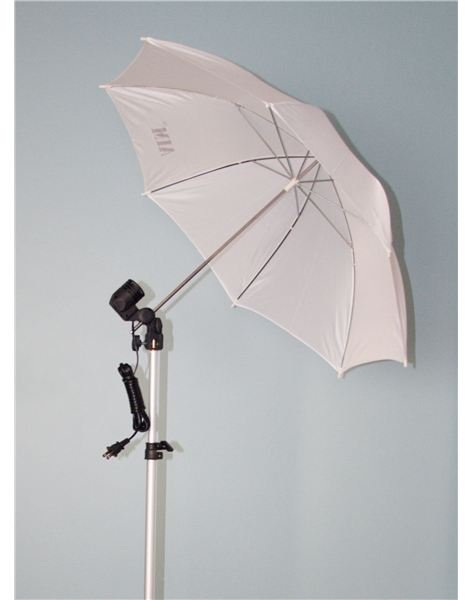
The other thing a professional level digital camera for portraits needs is the ability to control the lights in a portrait studio. That means being able to use external flash, as well as the ability to fire sync flashes and control a number of slave flashes.
Finally, the best digital cameras for portraits should include the ability to connect a laptop to review pictures with or without the model. It should also support a remote shutter release.
Of course, the top of the line digital cameras from the major name brands fit the bill. For those looking to shell out slightly less dough, good cameras for shooting portraits include the Canon EOS 7D. The EOS Rebel line, particularly the T1i also have plenty of potential for digital portrait photography. Also recommended for portrait photography are the Nikon D500, and Sony Alpha A380. Although there are some who grumble about the built-in image stability in the Sony Alphas , I’ve never personally heard any photographer mention it is an issue.
Check out these digital cameras, or check and see if your current camera fits the bill. Chances are if it is relatively new, you can make it work, even if you have to juggle a couple of camera tricks to make it happen.