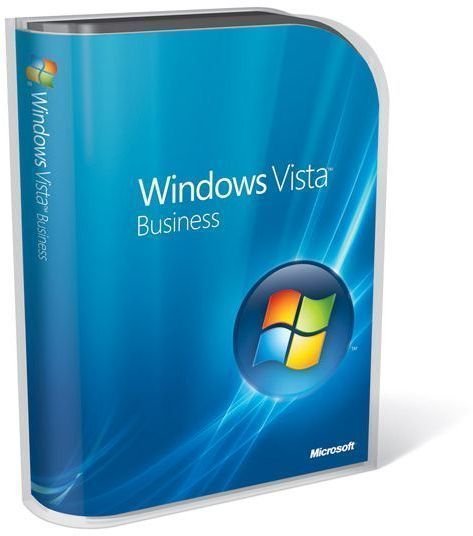
Windows Vista had a six year development cycle and turned out to be a bit of a dud. Will Windows 7 be better? What is the history of each Operating System? This article summarizes the history of both Windows Vista and Windows 7.
Overview
After Microsoft’s astounding success with Windows XP, many people wondered what Microsoft could do to improve upon their most popular operating system that was running on over 800 million computers. After nearly six years of development, Windows Vista was released to lackluster reviews and a cool consumer reception. Just under three years after the release of Vista, Windows 7 comes storming onto the world stage.
Windows Vista
As development on Windows XP was winding down, planning for the ‘next’ version of Windows started – back in 2001. At that time, Microsoft favored shorter development cycles offering minor upgrades (think Windows 95 to 98 or 2000 to XP), so Vista was seen as an interim, minor upgrade before Windows 7. The code name for the new version of Windows was Longhorn.
Although Longhorn was planned to be released in 2003, just two short years after Windows XP, as development began in earnest, Microsoft decided to focus on some larger areas of concern from XP – especially security. Other major enhancements such as a drastic change in graphics display and a new file system called WinFS made Longhorn turn into a major release.
Microsoft announced in August of 2007 that it was reworking Longhorn to include some of these major features and would thus delay the release of the OS. By moving the codebase to that of Microsoft’s Server 2003, Vista development was essentially restarted.
As development continued, Longhorn was finally given a proper name in mid-2005 – Windows Vista.
An unprecedented Beta testing program began by late 2005 including developers, IT professionals, Microsoft’s ‘Connect’ beta testers and eventually the public.
During some of the late beta releases as more and more of the public and businesses learned about Vista, some serious shortcomings became very apparent – performance in Vista was a major step backwards compared to XP, hardware requirements were higher than anticipated, hardware compatibility was a major issue as was everyone’s favorite – “UAC” where Vista would prompt the user nearly any time a change was made to the OS.
Vista was released in January of 2007 and although Microsoft claims Vista was a success, their follow-up Operating System – Windows 7 began development as Vista development was wrapped up.
Windows 7
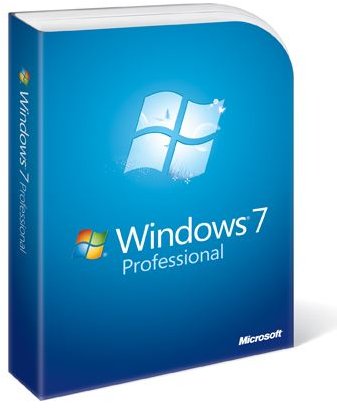
Windows 7 was seen as a minor upgrade to Windows Vista – to me, it’s like what Vista should have been in the first place. The good news is that Windows 7 works, it’s fast, it’s pretty and it’s functional. Windows 7 was based on the Vista codebase so it wasn’t a major re-write like it was going from XP to Vista.
Microsoft was able to put together several functional milestones throughout 2008 and on January 7th, 2009, Microsoft released the first Beta to MSDN and Technet users. The Release Candidate was then released in April. Note that the Vista beta period was nearly a year. Windows 7 was only four months – obviously things were going better for Windows 7.
Windows 7’s official release date is October 22, 2009 and already, it is being reviewed very positively in the media and trade magazines. Windows 7 has some nice new features, but as mentioned, even though the look is similar to Vista, it works quite well when compared to Vista.
It’s yet to be determined just how well Windows 7 will perform. According to Market Share by Net Applications, Windows XP still holds about 70% of the operating system market with Vista at only 18%. The interesting tidbit is that Windows 7 is already at 1% - a month before the official release date.
As a side note, several great resources were used to research this article – if you want more information on how the development of Vista and Windows 7 happened, I encourage you to check out the following resources:
WinSuperSite: “Road to Gold: The Long Road to Windows Vista”, Paul Thurrott
https://www.winsupersite.com/showcase/winvista_roadtogold_01.asp
Wikipedia: Development of Windows Vista
https://en.wikipedia.org/wiki/Windows_Longhorn
Wikipedia: Development of Windows 7
https://en.wikipedia.org/wiki/Development_of_Windows_7
Market Share by Net Applications
https://marketshare.hitslink.com/operating-system-market-share.aspx?qprid=10