Microsoft has historically dominated the business market, but Apple Macs are starting to gain a foothold. We examine the pros and cons of Macs for businesses and explore the logistics of making the switch.
Are Many Firms Switching to Macs?
Macs are still comparatively rare in business use. While Macs make up almost 10% of all computers in the US, just 2% of new machines sold to businesses are Macs. However, a recent survey for market researchers Yankee Group discovered that 87% of firms had at least one Apple computer, a steep rise from 47% two years earlier.
Is Now a Good Time to Switch?
Given the current state of the economy, a wholesale changeover may not be financially viable for many firms. However, for businesses which still run Windows XP (or even earlier editions), now is certainly a time to give the matter serious thought. XP is going to become increasingly outdated and firms will have to seriously consider upgrading to either Vista or Windows 7 in the next few years. Given the cost implications, including the possible need for improved hardware to run these editions, switching to Macs could be a better alternative for some firms.
What are the Benefits of Switching?
Macs are less prone to viruses, though they certainly aren’t immune. There’s a long-running debate about whether the Mac system is more resistant to viruses, or if virus creators are simply more likely to target the large user base of PCs; in reality, both factors likely play a role. Either way, it’s likely you’ll face fewer security risks for the time being with a Mac-based office, particularly if many of your computers are connected to the Internet.
Most Mac users find their systems are more stable and less likely to freeze or need rebooting than with Windows. Across multiple users this can add up to a lot less wasted time and less strain on technical support staff.
You may find some or even most staff would prefer to use a Mac. As Macs become more common in home use, employees will become more comfortable with the idea of using them at work.
What are the Drawbacks?
The cost of Mac computers is generally higher than for PCs, though this is a very sweeping statement. For example, the average price of all Macs sold is about 50% higher than for PCs, but this is partially due to the very high-end Macs in the range. You will generally find lower-end PCs are much cheaper than the lowest-price Macs, whereas with mid-price computers the like-for-like variation can vary immensely depending on your supplier. You may find it easier to get bulk discounts for PCs than Macs simply because more are produced.
Many staff will only be familiar with PCs and you will have to take account of the potential costs of retraining them and dealing with increased need for assistance as they get used to Macs.
Apple generally gives out less detail and less notice about new hardware and software releases than Microsoft, meaning your IT buyers may find it harder to budget for future replacements and upgrades.
Can I Continue to Run Windows and Associated Software?
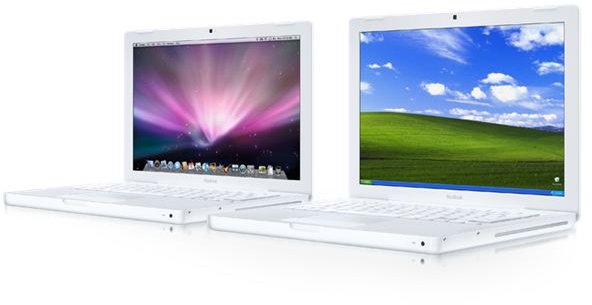
There are a couple of options for doing this. One is to use the Mac operating system as the standard on your network, but allow staff members who prefer Windows to use virtualisation software which allows them to run Windows-based software. This can have mixed results and may cause more problems than it solves.
The other is to use Windows itself: modern Macs run an Intel chip and can handle Windows. The Mac operating system has a built-in feature named Boot Camp which makes it easy to install and use Windows. However, this route will be more expensive as you’ll be paying to buy the Mac hardware (complete with the Mac operating system) and then a separate fee for Windows.
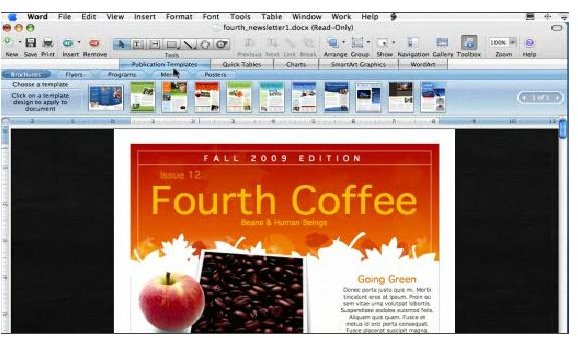
There is also a special edition of the Microsoft Office package for the Mac. Opinions vary, but many users say the Mac version of Word is actually better than on the PC, though the Mac version of Excel is far from perfect.
Don’t forget that if you are switching computer systems, it’s worth considering whether to switch to open source software at the same time. Many free alternatives to Microsoft and Apple software, such as OpenOffice, are available in Mac editions.
Do I Need to Switch my Entire Business at Once?
A wholesale switch may prove very expensive taking into account the costs of new machines and the logistics of installation and then training staff. However, if you have an office which is closely networked and involves a lot of filesharing and collaboration on documents, it may make more sense to switch in one go rather than have ongoing compatibility problems.
If you have a smaller office, or one where there are a lot of standalone computers where users work on individual projects, you may be able afford a piecemeal approach to switching. Some firms have found a good option is to wait until a computer needs upgrading or replacing and then letting the relevant staff member choose which type of machine they would prefer to work on.
Images