Understanding Linux Audio and Ogg Vorbis
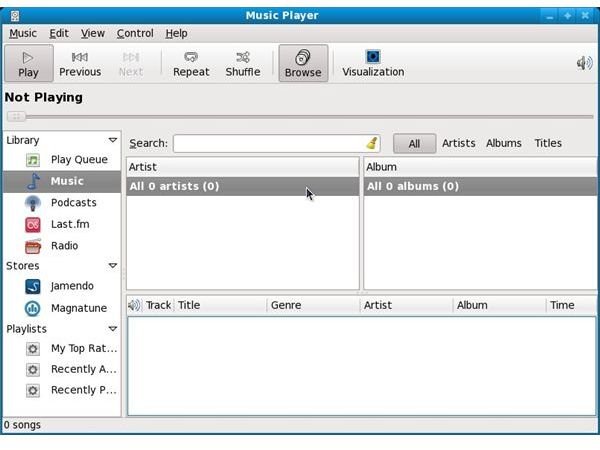
Many newbies to a Linux distribution (operating system), also known as a distro or flavor, have questions about Linux audio capabilities. Those who don’t have questions are usually the ones who begin their Linux experience with a distro that included proprietary code such as MP3 encoders and decoders. The average user doesn’t care to know why or how they can play their audio Compact Discs (CD’s), Digital Versatile Discs (DVD’s), MP3 files, etc. They just want multimedia to work without having to do anything additional once the operating system is installed. Many users who have run Microsoft (MS) Windows will be totally unfamiliar with Ogg Vorbis, which is almost always mentioned when discussing Linux audio functionality.
What Is Ogg Vorbis?
Ogg Vorbis is an audio compression format comparable to other formats required to play digital music such as MP3. However, Ogg Vorbis is free, open, and without patents. Ogg is the name of the container format for both audio and video while vorbis is a specific compression scheme. You might also hear the term Ogg Theora when referring to digital video playback. Supporters of open source software strongly encourage independent film makers, musical artists and others who distribute works to use the Ogg Vorbis or Ogg Theora formats. There are clear advantages to making such a choice. You can obtain the software free of charge needed to listen to Ogg Vorbis.
Linux Audio Capabilities and Proprietary Code
Users may find it frustrating to work around Linux audio capabilities in distributions such as Fedora, Debian, and some others. The programmers of these Linux flavors as well as many users promote reliance on open source software for everything. There are patents on proprietary software that often impose numerous restrictions and requirements that especially affect distributors. A distributor might have to pay the royalty and/or include other proprietary software in a distribution. Open source software allows for great freedoms that proprietary software doesn’t. These are some of the good and valid reasons for Fedora and other distributions holding the position that they maintain. Nevertheless, excluding proprietary code for multimedia capabilities doesn’t suit some people.
Linux audio capabilities under strict open source operating systems such as Fedora will be limited unless you have the knowledge and are willing to “tweak” for a “full” multimedia set-up. While this isn’t very difficult for a seasoned Linux user, it can be daunting for a newbie. So, what are some of the limitations? To give you an idea of what multimedia is like under an open source only distro, you would not be able to simply pop in a DVD of one of your favorite movies and begin watching, nor could you play your MP3’s without some “maneuvering.” You would, however, be able to play the average audio CD, and some video files. For example, I’ve a digital camera that makes movies in the .AVI format that I can play on an open source only system. Keep in mind that practically every open source only distro offers some guidance regarding how to proceed to be able to play files requiring proprietary code.
Making a Choice
If you are among those who would like to try a Linux distribution under which you can enjoy the same multimedia capabilities as you do with MS Windows, be careful in choosing. Make sure you read the information about the distro before you download or purchase it. The distributor should clearly state whether proprietary software is included or not. Many Linux distributions include very good tools for listening to audio files and viewing video files and more are offered through repositories by download. Below is a screen shot of a music player called Rhythmbox. It allows you to set up a podcast feed, connect to radio stations, edit your play list, shuffle selections, and start and stop virtualization.
