Core 2 Duo vs. Core i3: Desktop and Mobile Processors Compared
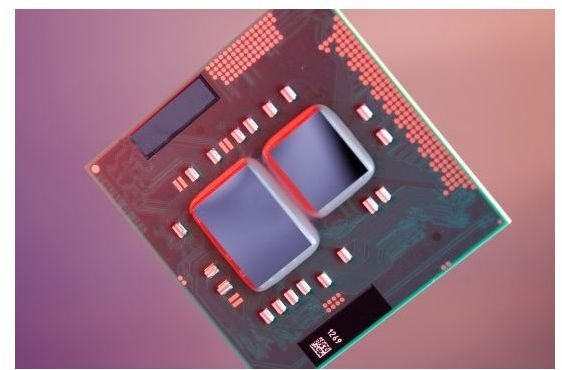
Core 2 Duo vs Core i3: The Veteran vs. The Rookie
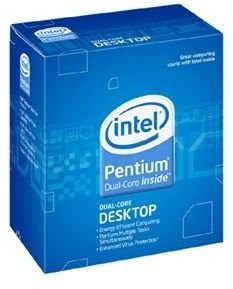
The Core 2 Duo has been the processor of choice in laptops for about three years. Over those three years the average speeds of Core 2 Duo processors have advanced significantly, and many of today’s Core 2 Duo laptops have speeds of around 2.2Ghz or faster. Core 2 Duo processors have also been the go-to for many less expensive desktop systems, with speeds reaching over 3Ghz.
However, there is a newcomer which is challenging the Core 2 Duo. This is the Core i3. It is very similar to the Core 2 Duo in many ways. Both are dual-core processors and most Core 2 Duos and Core i3 have similar clock speeds. However, the processors are based on different architectures.
So, which one is better?
Architecture
The Core 2 Duo processors are based off the Core 2 architecture. The Core and Core 2 architectures were arguably Intel’s most successful architectures, as they replaced the Pentium 4 processors in desktop systems and made Intel competitive in that space once again.
The Core i3 is based off a new architecture called Nehalem. The Nehalem architecture has numerous advantages over the Core 2 architecture. Nehalem is better constructed for quad-core processors, has hyper-threading available, and can use a feature called Turbo Boost which maximizes processor speed. However, because the Core i3 is the low-end Nehalem variant, most of these features are disabled or not relevant - the Core i3 is a dual core processor and Turbo Boost is disabled, but hyper-threading is enabled.
Processor Performance
The Core i3 is the slowest variant of the Nehalem based processor. The Core 2 Duo processors, however, don’t have the same differentiation between versions of the same architecture. The fastest Core 2 Duo desktop processor has a speed of 3.33Ghz, while the fastest Core i3 desktop processor is clocked at 3.06Ghz.
You might therefor expect that the Core 2 Duo would have the edge - particularly when you consider that the Core 2 Duo costs almost three times as much if you buy it individually - but in fact the Core i3 is faster, and often by no small margin. The Core i3 is faster even in single-threaded applications, but the performance gap really widens in multi-threaded applications. This is because the Core i3 has hyper-threading, which turns the two real cores into four virtual cores. Windows works with the Core i3 as if it is a quad-core processor.
These results remain true in the mobile space, as well. Core i3 processors punch at least 500Mhz above their weight in single-thread applications, and are virtually always faster in multi-threaded applications, no matter the clock speeds of the Core 2 Duo and Core i3 processors you are comparing.
Power Usage and Heat
A look at the technical specifications of the Core i3 processors automatically puts them into a negative light when it comes to power consumption. The desktop Core i3 parts at listed as having a 73 Watt TDP, while most Core 2 Duo desktop parts have a 65 Watt TDP. In laptops the Core i3 has a 35 watt TDP, while Core 2 Duo mobile processors usually have a 25 Watt TDP.
These differences pan out about how you’d expect them to when it comes to absolute power consumption. The Core i3 processors do consume just slightly more power than Core 2 Duo processors at load and at idle. We’re talking a difference of around 10 Watts on desktops and a few on laptops - nothing huge, but a difference none the less.
However, when it comes to power efficiency the answer becomes less clear. In order for a processor to be power efficient, it needs to not only have low power consumption but also the ability to complete tasks quickly. This lowers the overall “task energy” because a faster processor will be done with a task before a slower processor, and once done it will slip back into an idle state.
When viewed from this perspective, the Core i3 is much more efficient than the Core 2 Duo on both the desktop and the laptop. This means that the Core i3 will probably not use any more power than a Core 2 Duo - and may actually use less - unless your usage patterns place a constant load on your processor.
Verdict
Overall, the answer is clear - the Core i3 is the better processor.
That doesn’t mean that it absolutely body-slams the Core 2 Duo. The Core 2 Duo isn’t hugely slower. However, the Core 2 Duo is on its way out, and the Core i3 is slightly better in just about every way.
In the desktop space, the ease with which you can find a Core i3 desktop means there is little reason to purchase a Core 2 Duo based system unless you’re on a very tight budget. On laptops, however, the story is a bit different. There are still some competent Core 2 Duo systems available, and they’re worth considering if their other advantages out-weight the slightly out of date processor.
This post is part of the series: Core i3, i5, and i7 Explained
It is often difficult to discern which new processors are the best. This guide to Intel’s new Core i3, i5, and i7 processors gives advice and information about them so that you can decide which processor is best for your needs.
